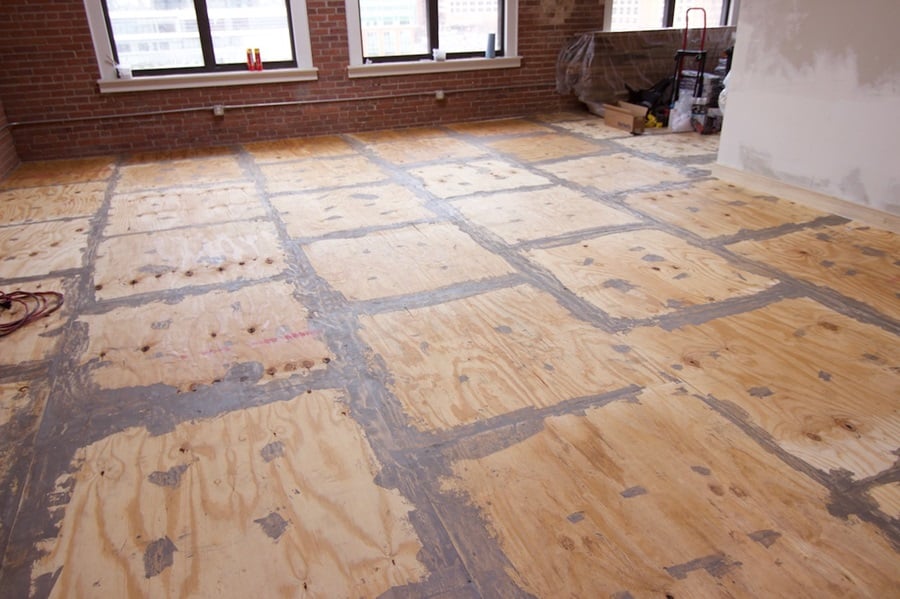

The financial aspect of subfloor replacement varies based on several factors. The choice of material significantly influences the overall cost. For instance, while plywood might be a bit pricier, its durability could offer long-term savings. In contrast, OSB might be more affordable initially but may not have the same lifespan as plywood. Labor costs also play a significant role in the overall expense. While some homeowners might opt for a DIY approach to save on labor, hiring professionals can ensure the job is done correctly and efficiently. Additionally, unforeseen issues or the need for specialized tools can add to the overall cost.
Timeframe for Subfloor Replacement

Estimating the duration of a subfloor replacement project depends largely on the size of the room and the conditions encountered. A standard room might take a couple of days, but larger areas or rooms with complex layouts could extend the timeframe. It’s also essential to account for potential delays, such as discovering more extensive damage than initially anticipated or facing challenges with material availability. Setting realistic expectations and allotting extra time for unexpected hurdles ensures that the project remains on track and reduces stress for the homeowner.
Maintenance and Care Post-Replacement

After investing time and resources into a subfloor replacement, ensuring its longevity becomes paramount. Regular inspections are a proactive approach to identify any early signs of wear or damage. These checks can be done during routine cleaning or whenever the main floor covering is being replaced or serviced. Beyond visual inspections, homeowners should be mindful of moisture control, as excess moisture can lead to mold growth and structural damage. Proper ventilation, especially in areas prone to dampness like basements, is essential. Using dehumidifiers or ensuring adequate airflow can significantly reduce the risk of moisture-related issues.
Common Mistakes to Avoid
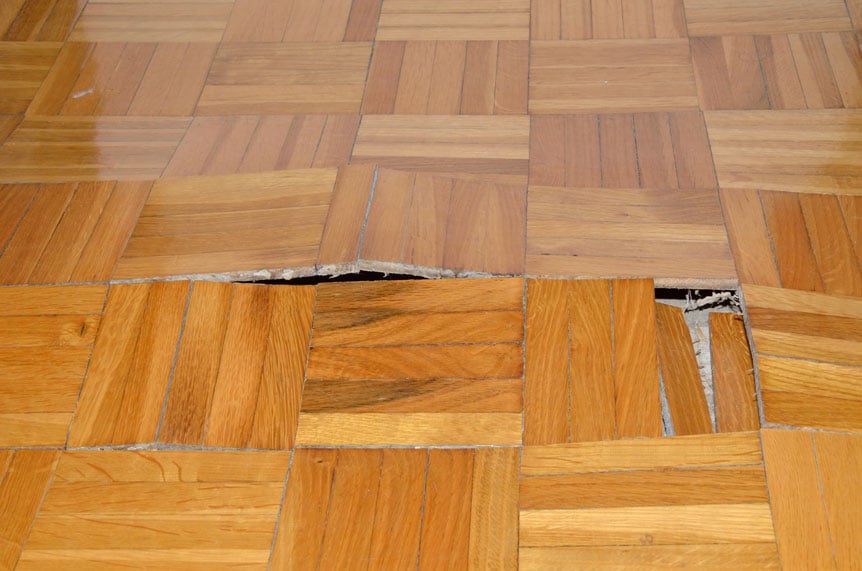
Subfloor replacement, while straightforward, has potential pitfalls that homeowners should be aware of. One frequent oversight is failing to level the subfloor properly. An uneven base can lead to issues with the main floor covering and reduce its lifespan. Another common mistake is opting for low-quality materials in an attempt to save on costs. While this might offer short-term savings, it often results in long-term expenses due to premature wear and the need for replacements. Additionally, some homeowners might skip essential steps in the replacement process, either due to a lack of knowledge or in an attempt to expedite the project. Such shortcuts can compromise the quality and safety of the installation.
Subfloor Replacement
Subfloors, though often overlooked, play a pivotal role in the structural integrity and comfort of a home. Ensuring they are in optimal condition is not just about aesthetics but also about safety and longevity. From recognizing the signs of a deteriorating subfloor to understanding the intricacies of the replacement process, homeowners are better equipped to make informed decisions. By investing in quality materials, adhering to best practices, and prioritizing regular maintenance, the foundation of a home remains strong, providing peace of mind and a stable base for years to come.