
Increased Environmental Impact
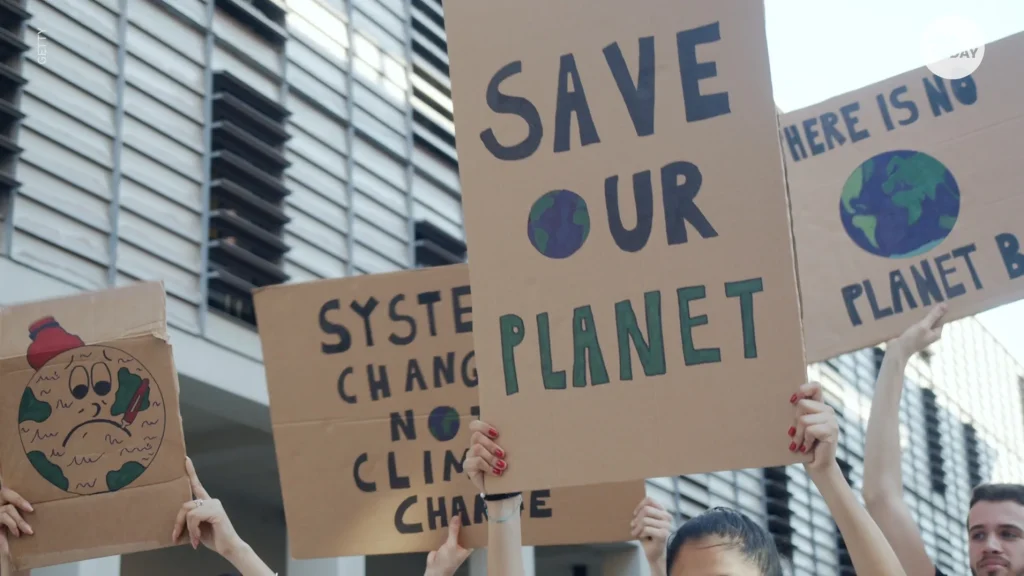
The environmental impact of living in a poorly insulated house is a significant concern. High energy consumption due to poor insulation contributes to larger carbon emissions, directly affecting climate change. Homes that require excessive heating and cooling not only use more fossil fuels but also put a strain on the electrical grid, leading to a larger ecological footprint. This increased energy usage contributes to environmental degradation, making it a concern not just for individual households but for the community and planet as a whole.
Furthermore, the production of additional energy to meet the demands of poorly insulated homes often leads to the depletion of natural resources. This excessive consumption can exacerbate environmental issues such as deforestation, water scarcity, and pollution. As awareness grows about the importance of sustainable living, the role of proper home insulation becomes increasingly critical. By improving insulation, homeowners can significantly reduce their environmental impact, contributing to a more sustainable and responsible way of living.
Noise Pollution

Poor insulation can significantly increase the levels of noise pollution in a home. Insulation acts as a barrier to external sounds, and without it, noises from the street, neighbors, and the environment can easily penetrate the walls and windows of a house. This influx of unwanted noise can disrupt the tranquility of a home environment, affecting the comfort and mental health of its inhabitants. Continuous exposure to noise pollution has been linked to increased stress levels, sleep disturbances, and even cardiovascular health risks.
In urban areas, where noise pollution is a common issue, the impact of poor insulation is even more pronounced. The constant intrusion of city sounds can lead to a feeling of never being able to escape the hustle and bustle of urban life, even within one’s own home. For families with young children or individuals working from home, this can be particularly disruptive. The lack of a sound barrier can turn a home, which should be a sanctuary, into a source of continuous annoyance and stress, highlighting the importance of adequate insulation for peace and quiet in one’s living space.
Higher Maintenance Costs

The long-term maintenance costs associated with living in a poorly insulated house can be substantial. Inadequate insulation leads to a variety of issues that require frequent repairs and renovations. For instance, the increased moisture and fluctuating temperatures can cause paint to peel, walls to crack, and flooring to warp. Homeowners often find themselves facing a continuous cycle of fixing and replacing parts of their home, which can be both time-consuming and expensive.
In addition to the visible wear and tear, there are often hidden problems that arise over time, such as deteriorating plumbing or electrical systems due to extreme temperature changes. These hidden issues can be particularly costly, as they often go unnoticed until significant damage has occurred. The financial burden of these continuous maintenance requirements can add up quickly, making the cost of living in a poorly insulated home significantly higher than one might initially anticipate. This not only affects the current homeowner but can also impact future resale or rental possibilities.
Decreased Property Value
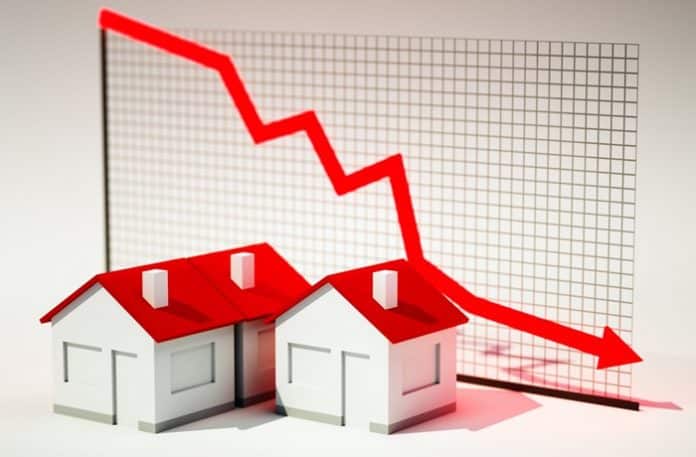
Poor insulation can have a noticeable impact on the market value of a house. Potential buyers or renters often consider the quality of insulation when evaluating a property, as it directly affects their future living costs and comfort. A poorly insulated home is less appealing to potential buyers, as they are likely to anticipate the need for additional investment in insulation and the associated maintenance issues. This can lead to a decrease in property value, making it more challenging to sell or rent the home at a desirable price.
Furthermore, with increasing awareness and concern about energy efficiency and environmental sustainability, homes with poor insulation are becoming less attractive in the real estate market. Prospective buyers are more inclined to choose properties that are energy-efficient and have lower environmental impacts. Therefore, investing in proper insulation not only saves homeowners money in the long run but also enhances the appeal and value of their property in an increasingly environmentally conscious market.
The Critical Importance of Proper Insulation
The risks associated with living in a poorly insulated house are varied and significant, extending far beyond mere discomfort. From skyrocketing energy costs, health risks, and compromised structural integrity to increased environmental impact and noise pollution, the consequences are both alarming and far-reaching. Additionally, the financial burden of higher maintenance costs and the potential decrease in property value cannot be overlooked. This blog post underscores the critical importance of proper insulation, not only as a means to enhance personal comfort and safety but also as a crucial step towards financial prudence and environmental responsibility.