

Your Monthly Payment Could Be Higher

If you’re considering refinancing your mortgage, it’s crucial to understand how your monthly payment could be affected. You’re essentially taking out a new loan with different terms than your current loan when you refinance. Your interest rate, monthly payment, and loan term could all change. In some cases, your monthly payment could increase.
If your monthly payment increases, is it most likely to happen if you extend the duration of your loan when you refinance. For example, let’s say you currently have a 30-year mortgage with a 4% interest rate and a monthly payment of $1,000. If you refinance into a new 30-year loan with a 5% interest rate, your monthly payment will increase to $1,250.
It Can Put Extra Cash In Your Pocket
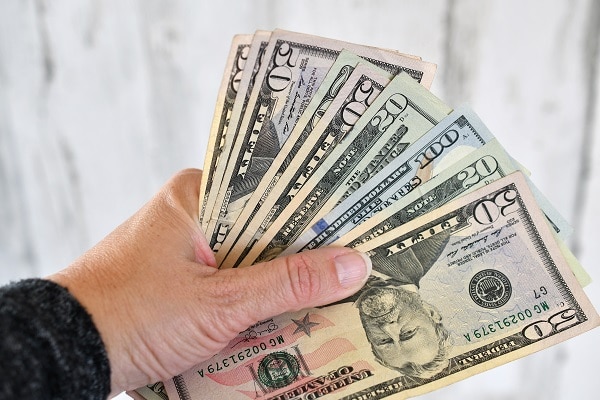
For many homeowners, the monthly mortgage payment is one of their most significant expenses. So it’s not surprising that refinancing is a popular way to reduce monthly payments. But refinancing can also be a great way to immediately put extra cash in your pocket. How? By taking advantage of low-interest rates and extracting equity from your home. You essentially take out a new loan to replace your existing mortgage when you refinance.
Taking out a new loan to replace your current mortgage allows you to shop around for the best rates and terms. And suppose you have built up equity in your home. In that case, you can refinance for a more significant loan amount and use the extra cash for whatever you need – whether it’s home improvements, a family vacation, or simply paying off high-interest debt.
It Can Result In An Upside-Down Mortgage

Taking advantage of lower interest rates is significant. However, if the original loan includes a pre-payment penalty, the savings from the lower interest rate may be offset by the penalty fee. In addition, homeowners should be aware that refinancing can result in an upside-down mortgage, where the outstanding balance on the new loan is greater than the home’s market value.
An upside-down mortgage can occur if the homeowner takes cash out of the equity in their home or if the new loan term is longer than the original loan. An upside-down mortgage can be difficult to refinance and may limit the options available to the homeowner if they need to sell their home. As a result, homeowners should carefully consider all potential consequences before refinancing.
Conclusion
Refinancing can be a great way to save money, pay off debt more quickly, and put extra cash in your pocket despite the potential drawbacks. So if you’re thinking about refinancing your home, be sure to weigh the pros and cons carefully to see if it’s right for you. If you need help deciding, consult with a trusted mortgage lender or financial advisor. They will be able to guide you through the process and help you determine whether the decision is right for you!