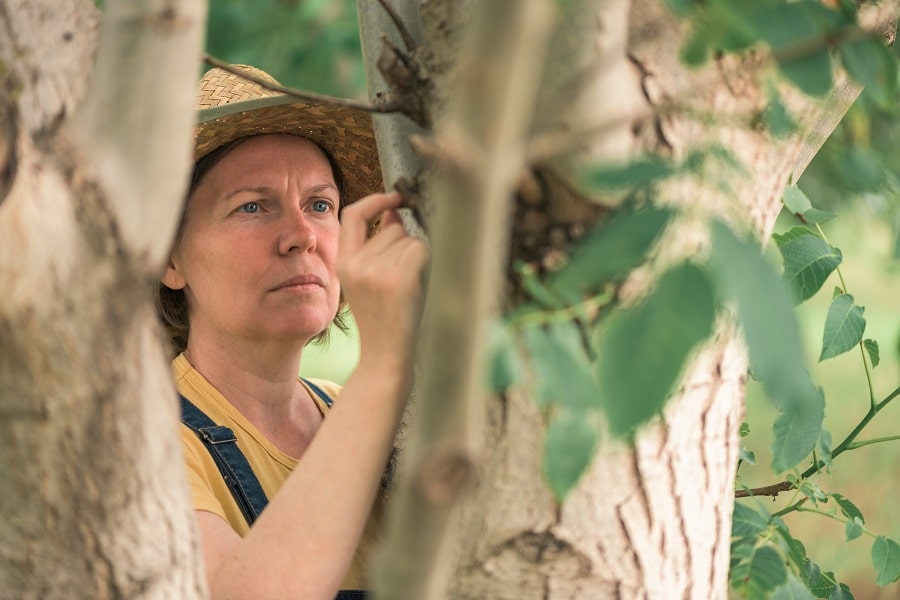
Trees are often considered the lungs of the Earth, silently contributing to a healthier environment right in your backyard. However, these silent giants can become victims of various pests, compromising not only their health but also the overall well-being of your outdoor space. Early detection of infestations is crucial for effective treatment and long-term tree health. This post serves as a comprehensive guide to help you identify the telltale signs that your trees might be infested. From common pests to subtle changes in foliage, you’ll learn how to spot the red flags that signal it’s time to take action!
Contents
The Usual Suspects – Common Pests That Infest Trees

When it comes to tree infestations, a few culprits are usually to blame. Insects such as aphids, beetles, and caterpillars are notorious for wreaking havoc on tree health. These pests can suck the sap out of leaves, leading to discoloration and premature leaf drop. Fungi, like powdery mildew and root rot, are also common invaders that can compromise the structural integrity of the tree.
Knowing the common pests that target trees is the first step in effective prevention and treatment. Rodents like squirrels and rats might seem harmless, but they can cause significant damage by gnawing on bark and roots. Understanding the types of pests that commonly infest trees provides a foundation for recognizing the signs of an infestation. This knowledge equips you to take timely action, whether that means applying a pesticide or consulting a professional.
Physical Changes – The First Red Flags
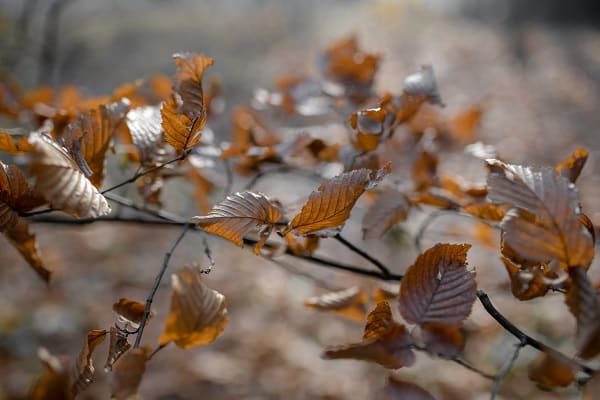
One of the earliest signs of a tree infestation is a noticeable change in the tree’s physical appearance. Leaves may start to discolor, appearing yellow or brown instead of a healthy green. This discoloration can be a direct result of pests sucking out nutrients or an indication of a disease that the pests have introduced. Additionally, you might notice leaves dropping from the tree prematurely, which is another red flag that should not be ignored.
Sometimes, the signs are even more overt, like unusual growths on the leaves or branches, commonly known as galls. These are often induced by insects laying eggs on the tree, leading to abnormal tissue growth. While these physical changes are often the first indicators of an infestation, they are not the only signs. Some symptoms are more subtle and require a closer look, especially those that occur below the ground.
Unseen Culprits – Signs Below The Ground

While it’s easier to spot changes in leaves and branches, signs of an infestation can also manifest below the ground. Root decay is a serious issue that can destabilize the entire tree, making it susceptible to falling during storms. Fungal growth around the base of the tree is another sign that something is amiss. These fungi often thrive in the decaying material, further accelerating the degradation process.
Loose soil or upheaval around the tree’s base can also indicate a problem. This is often a sign that rodents or other burrowing animals have made their home near the roots, which can lead to root damage and instability. While these below-ground signs may require a bit more effort to detect, they are crucial for a comprehensive understanding of your tree’s health. But don’t stop there; the tree’s bark can also offer valuable clues about its well-being.
Bark And Trunk – The Tree’s Armor
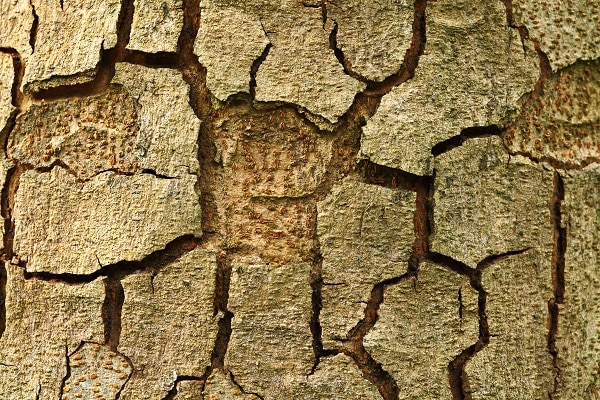
The bark serves as a tree’s protective shield, and any changes in its condition can be a significant indicator of an underlying issue. Cracks or splits in the bark are not just cosmetic issues; they can be entry points for pests and diseases. Peeling bark is another sign that should raise concern. It often indicates that the tree is losing its ability to protect itself, making it more susceptible to infestations and diseases.
Another clue that your tree might be infested is the presence of sawdust or resin around the trunk. This is often a sign that wood-boring insects like beetles are at work. These pests can tunnel through the wood, weakening the tree’s structure and making it more vulnerable to other issues. While the condition of the bark can reveal a lot about a tree’s health, it’s also essential to pay attention to the smaller, living parts of the tree, such as its foliage and branches.