Contents
Foliage And Branches – The Tree’s Limbs

When examining a tree for signs of infestation, don’t overlook the foliage and branches. Wilted or curled leaves can be a sign of insufficient water, but they can also indicate that something is draining the life out of your tree. Dead branches or those that drop unexpectedly are another red flag. These could be the result of a pest weakening the tree’s structure, making it unable to support its own weight.
Holes or chew marks on the leaves are usually a clear sign of insect activity. Caterpillars, beetles, and other leaf-chewing insects can quickly defoliate a tree if left unchecked. This not only affects the tree’s appearance but also its ability to photosynthesize, which is essential for its survival. Observing the foliage and branches is crucial, but sometimes, the signs of an infestation are neither seen nor felt—they are heard or smelled.
Sounds And Smells – The Less Obvious Signs
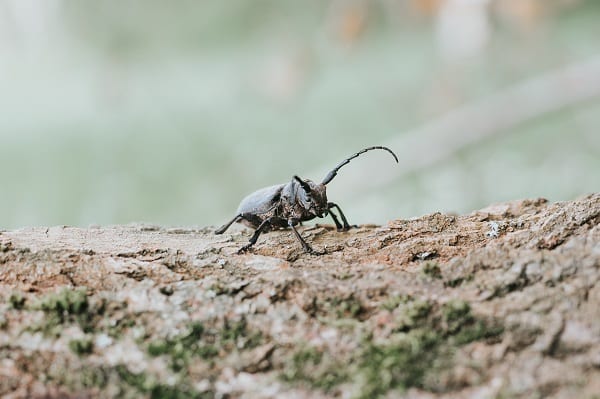
While visual cues are often the first things you’ll notice, your other senses can also help in detecting a tree infestation. Scratching or rustling sounds coming from the tree could indicate the presence of rodents or larger insects making their home in the bark or branches. Similarly, the buzzing or humming of insects like bees or wasps can signal a potential infestation that requires immediate attention.
Unpleasant or unusual odors emanating from the tree can also be a sign of trouble. The smell could be due to rotting wood, which is often a result of a fungal infection. In some cases, the odor could be a pheromone emitted by certain pests to attract others of their kind. Recognizing these less obvious signs can be the key to early intervention and effective treatment. But even with these clues, it’s essential to be extra vigilant during certain times of the year.
Seasonal Patterns – When To Be Extra Vigilant

Seasonal changes can have a significant impact on tree health and the likelihood of an infestation. Spring is a time of new growth, making trees particularly attractive to pests. The fresh, young leaves are easier for insects to consume, and the increased sap flow can attract a variety of pests. Therefore, spring is a time when you should be especially watchful for signs of infestation.
Summer brings increased pest activity, with warmer temperatures accelerating insect lifecycles and fungal growth. This is the season when you’re most likely to see visible damage, such as chewed leaves or fungal infections. As fall approaches, many pests prepare for winter by laying eggs or burrowing deeper into the tree. Being aware of these seasonal patterns can help you take timely preventive measures, ensuring that your trees remain healthy year-round.
Immediate Steps To Take After Detection

If you’ve observed any of the signs mentioned above, taking immediate action is crucial for the health of your tree. The first step should always be to consult a professional arborist for a thorough evaluation. They can provide expert advice on the best course of action, whether it’s pruning affected branches or applying targeted treatments. Sometimes, the issue may be severe enough to require the removal of the tree to prevent the infestation from spreading to other trees.
After consulting a professional, you may need to apply pesticides or natural remedies to treat the infestation. Always follow the guidelines provided by the arborist or the pesticide manufacturer to ensure effective treatment. Additionally, consider implementing preventive measures like regular inspections and proper tree care practices to reduce the risk of future infestations. This proactive approach can save not only your trees but also the overall health of your yard.
The Final Leaf: Protect Your Trees, Protect Your Yard
Trees are an invaluable part of any yard, providing not just aesthetic value but also environmental benefits. However, they are susceptible to various pests and diseases that can compromise their health and, by extension, the beauty and safety of your outdoor space. Early detection is the key to effective treatment and long-term tree health. By being vigilant and knowing what signs to look for, you can take timely action to address any issues. Consult professionals when in doubt, and remember, a healthy tree is a sign of a healthy yard!