


Pet Allergen Management

For homes with pets, managing pet dander is crucial in reducing allergens. Regular grooming and frequent bathing can help minimize the amount of dander pets shed. However, for those particularly sensitive to allergens, establishing pet-free zones, especially in bedrooms, can significantly decrease exposure to pet dander during sleep, a critical time for respiratory recovery.
In addition to restricting pets from certain areas, using air purifiers in rooms where pets frequent and investing in washable pet beds can further control dander levels. Combined with regular home cleaning, these strategies can greatly mitigate the allergen impact from pets, making living spaces more comfortable for allergy sufferers.
Allergen-Proof Bedding

Dust mites are a major source of allergens in the bedroom, thriving in mattresses, pillows, and bedding. Using allergen-proof covers can create a barrier preventing mites from penetrating the sleeping surfaces. These covers are typically made from a tightly woven fabric that allows for breathability but not for allergens to pass through.
Washing bedding weekly in hot water is also beneficial; it kills dust mites and removes accumulated allergens. Pillows and duvets should be washed regularly or replaced periodically to ensure they remain allergens-free. Such practices improve sleep quality and reduce the overall allergen load in the bedroom.
Filter Maintenance and Upgrades

If not properly maintained, the home’s HVAC system can collect and distribute allergens. Regularly changing the air filters, ideally every three months or more often in high-allergen seasons, can prevent allergens from circulating throughout the house. Upgrading to HEPA filters in the HVAC system can capture finer particles, further enhancing indoor air quality.
Homeowners should also consider cleaning their air ducts to remove any debris and allergens that have accumulated over time. This is particularly important in older homes where dust and mold might build up, ensuring that air circulating through the ducts is as clean as possible.
Landscaping and External Allergen Control
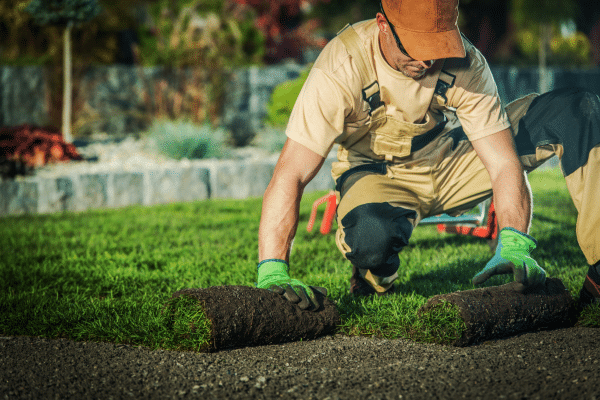
Controlling external allergens begins with thoughtful landscaping. Choosing plants that are low in pollen can significantly reduce the amount of pollen that enters the home. Regularly cleaning gutters, trimming grass, and keeping the yard tidy can minimize habitats for allergens. Additionally, creating barriers, such as sealing windows and using quality doormats, can stop allergens at the door.
Strategically placed vegetation can also act as a natural air filter, trapping allergens before they enter the home. Ensuring that windows and doors are well-sealed and that outdoor shoes are not worn inside can further reduce the introduction of outdoor allergens into the home.
Breathe Easy at Home: A Wrap-Up
Reducing allergens in the home is a proactive approach to improving indoor air quality and enhancing health. Homeowners can create a significantly healthier living environment by understanding the types of allergens and implementing regular cleaning, maintaining optimal humidity levels, and using air purifiers. Regular maintenance of HVAC systems and thoughtful pet management further support these efforts, leading to a cleaner, more allergen-free home. Encouraging continuous effort in these areas can transform any home into a sanctuary for those affected by allergies, ensuring that the air they breathe is as clean and healthy as possible.