Contents
Smart Water Leak Detectors: Preventing Costly Repairs

Water leaks can lead to significant property damage, mold growth, and skyrocketing water bills if left undetected. Smart water leak detectors help homeowners catch leaks early by providing instant alerts when moisture or leaks are detected. These devices can be placed near water heaters, under sinks, or around appliances prone to leaks, such as dishwashers and washing machines. Some advanced models even integrate with smart home systems to automatically shut off the water supply when a leak is detected, preventing further damage. By catching leaks before they escalate into major problems, homeowners can save thousands of dollars in potential repair costs.
Aside from preventing structural damage, smart leak detectors also contribute to water conservation by alerting homeowners to minor drips and inefficiencies. Many models feature mobile app connectivity, allowing users to monitor water usage patterns and receive real-time notifications of abnormalities. Some insurance companies offer discounts to homeowners who install leak detection systems, further adding to long-term savings. Popular brands like Flo by Moen, Honeywell Wi-Fi Water Leak & Freeze Detector, and Phyn Plus offer reliable solutions for different budgets and home sizes. Investing in smart water leak detectors not only protects a home from costly damage but also promotes responsible water use.
Smart Appliances: Optimizing Energy and Water Use

Smart appliances are designed to maximize efficiency, using advanced technology to reduce energy and water consumption. Smart refrigerators, for example, optimize cooling based on usage patterns and alert homeowners when doors are left open, preventing unnecessary energy waste. Similarly, smart washing machines and dishwashers use sensors to adjust water levels and cycle times based on load size, reducing both water and electricity usage. Many smart ovens and microwaves also feature precise cooking settings to prevent overuse of power. Though smart appliances come with a higher upfront cost, they offer long-term savings by cutting down on resource consumption.
Another key benefit of smart appliances is their ability to provide maintenance alerts, helping homeowners avoid costly repairs. Many models send notifications when filters need changing, maintenance is required, or inefficiencies are detected. Remote control and automation features also allow users to schedule operations during off-peak hours when electricity rates are lower, leading to additional savings. Brands like Samsung, LG, and Whirlpool offer a wide range of smart appliances designed to improve efficiency and reduce household expenses. By incorporating smart appliances into their homes, homeowners can enjoy both convenience and financial benefits over time.
Home Security and Automation: Preventing Theft and Insurance Costs

Investing in smart home security systems not only enhances safety but can also lead to financial savings through reduced risks and insurance discounts. Smart locks and security cameras help deter break-ins, which can save homeowners from costly property losses and insurance claims. Many insurance providers offer premium discounts for homes equipped with security systems, lowering monthly costs. Smart doorbells with built-in cameras provide real-time video monitoring, allowing homeowners to keep an eye on their property even when they are away. These security features reduce the likelihood of theft, package theft, and unauthorized access, ultimately offering peace of mind and financial protection.
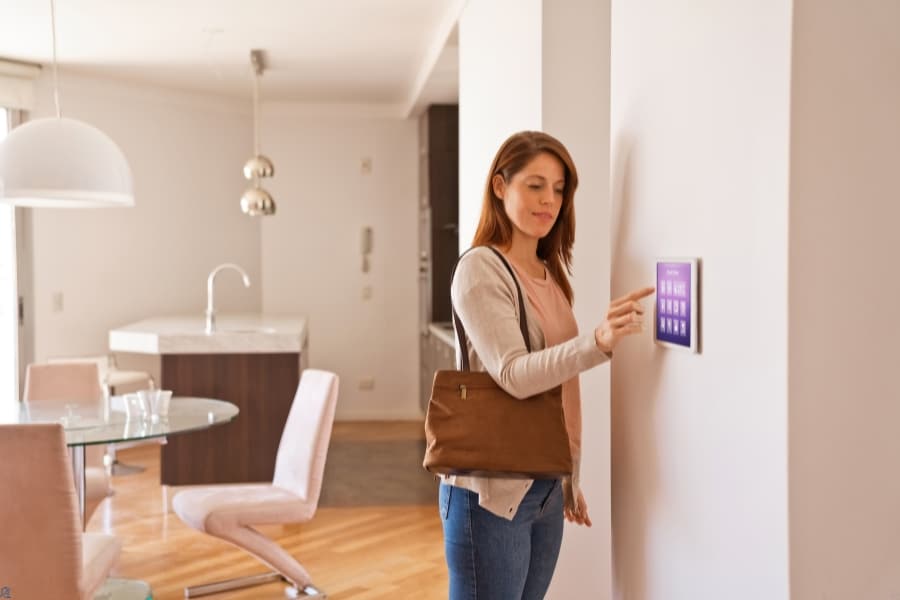
Beyond security, home automation systems help improve energy efficiency and reduce utility expenses. Automated window blinds and shades can be programmed to open and close based on sunlight exposure, minimizing heating and cooling costs. Smart home hubs integrate multiple devices, allowing homeowners to manage lighting, climate control, and appliances from a single platform for optimal energy savings. Additionally, occupancy sensors can adjust lighting and temperature settings based on room usage, ensuring energy is not wasted in empty spaces. By combining security and automation, homeowners can create a smarter, more efficient, and cost-effective living environment.
Maximizing Savings With Smart Home Technology
Smart home gadgets provide a practical and effective way to cut down on household expenses while improving energy efficiency, security, and overall convenience. From smart thermostats that reduce heating and cooling costs to security systems that prevent financial losses, these devices offer long-term savings that outweigh their initial investment. Automated lighting, smart appliances, and water leak detectors further contribute to lower utility bills and maintenance costs. As technology continues to evolve, smart home solutions will become even more accessible and beneficial for homeowners. Investing in these innovations today can lead to significant financial savings and a more efficient, worry-free home.