


Learning About Different Types of Solar Panels

Solar energy is a truly amazing renewable energy source that can power our homes and communities cleanly and sustainably. With so many different types of solar panels available in the market, knowing which one to choose for your home can be overwhelming and confusing.
To make an informed decision, it’s essential to learn about the different types of solar panels, including monocrystalline, polycrystalline, thin-film, and bifacial solar panels. Each type of panel has its own unique advantages, such as better efficiency, lower cost, or greater durability, depending on your energy needs and budget. By understanding the differences between each of these types of solar panels, you can make an informed decision that will help you generate as much clean energy as possible for your home or business.
Finding Out About Installation Timeframes and Warranty Information
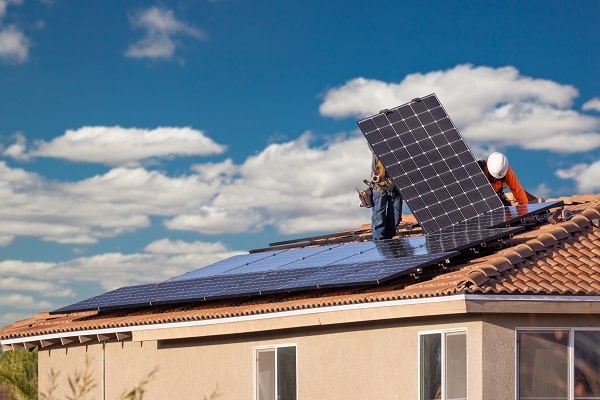
Installing new products can be a significant investment, so knowing what you’re getting into is essential. When it comes to finding out about installation timeframes and warranty information, there are a few things to keep in mind. First, make sure to ask for a detailed estimate from the installer, outlining how long the process will take and what it will entail.
This will help you plan accordingly and avoid any surprises along the way. Additionally, you’ll want to carefully review the warranty information to understand what is covered and for how long. Taking the time to do your due diligence upfront can save you time, money, and frustration down the road.
Pros and Cons of Going Solar in Your Home
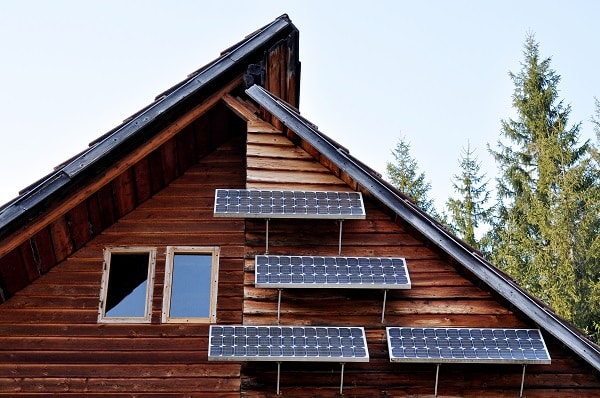
As homeowners become increasingly interested in green living, solar power has become a popular topic. Going solar can certainly have benefits – reducing your environmental footprint, lowering your energy costs, and increasing your home’s property value. However, it is also essential to consider the potential downsides. The initial installation costs can be high, and depending on your location, it may not be the most efficient source of energy for your home. Additionally, a solar system may require maintenance and repairs, which can also add up in costs. Ultimately, it’s essential to do your research and weigh the pros and cons before deciding whether or not to go solar in your home.
Summary
After taking the time to explore all of the considerations in detail, it seems clear that residential solar panels are an attractive option for many homeowners. The financial and environmental benefits are compelling, not to mention the potential tax incentives and other forms of assistance you may be eligible to receive. It’s important to research different types of solar panels available in your area and installation timelines and warranties. Some areas may even have specific local regulations, so it’s crucial to do your homework before jumping in. Although every situation is different, this comprehensive approach should give you a good start in determining if going solar is right for your home.