
Contents
Signaling And Communication

In emergencies, isolation is a frequent challenge. Being able to signal for help or communicate one’s location can expedite rescue operations.
A whistle is a lightweight and effective signaling tool, producing a sound that carries far and requires minimal effort. Reflective mirrors, if used correctly, can catch the attention of distant searchers or passing vehicles. In nighttime scenarios or low visibility conditions, an emergency flare can be invaluable. And, of course, in this digital age, a fully charged power bank or solar charger can keep phones operational, aiding in communication.
First Aid And Health
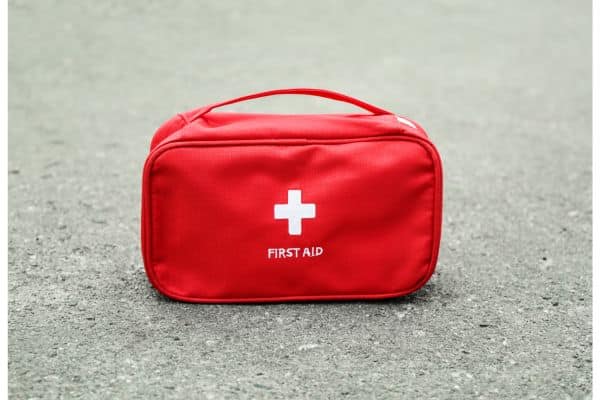
Accidents are unpredictable. A simple scratch can escalate into a severe infection if not addressed promptly. Having the tools to attend to minor injuries and health concerns can be pivotal.
Every car should have a basic first-aid kit containing band-aids, antiseptic wipes, tweezers, and more. This kit can address minor wounds, preventing them from worsening. Furthermore, carrying personal medications, pain relievers, and allergy medications can offer relief in times of discomfort or allergic reactions.
Tools And Multi-purpose Items

Emergencies can present challenges that require practical solutions. Having versatile tools on hand can make tackling these problems more manageable.
A multipurpose tool or Swiss army knife offers a range of functionalities, from cutting to screwing. Duct tape, often joked about for its myriad uses, truly becomes a hero in binding, repairing, or sealing. Rope or paracord can aid in making shelters, towing, or tying objects. A flashlight, preferably with extra batteries, is indispensable, providing visibility in the dark and potentially signaling assistance.
Navigating unfamiliar terrains or areas can be daunting, especially if stranded or lost. When electronic devices fail or run out of battery, having traditional navigation tools can be the difference between staying lost and finding your way to safety.
An old-fashioned compass, despite its simplicity, remains one of the most reliable tools for determining direction. It’s lightweight, requires no power source, and can provide invaluable guidance when paired with a physical map of the area. Similarly, road atlases, which offer detailed information about highways and landmarks, can help chart a route out of a sticky situation. Remember, in emergencies, understanding one’s surroundings and having the ability to move toward safety or populated areas can drastically alter the outcome.
The Bottom Line
The open road, with its promise of adventures and memories, also carries the potential for the unexpected. Preparedness isn’t a sign of paranoia; it’s a hallmark of responsibility. As the age-old adage goes, “It’s better to have it and not need it than to need it and not have it.” Assess your travel habits, familiarize yourself with your environment, and equip your car accordingly. Safety, after all, begins with foresight.