


The Canning Process Step by Step
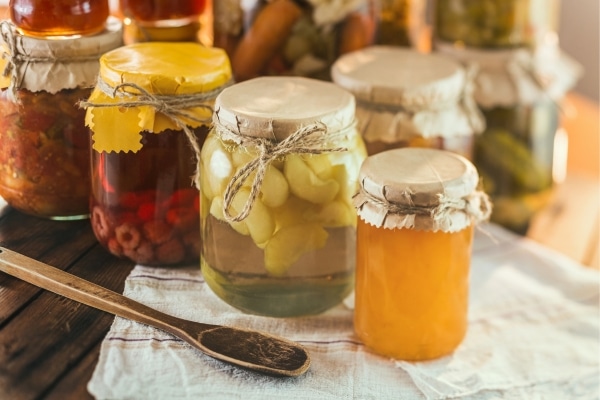
The canning process involves several key steps, beginning with filling sterilized jars with prepared food and covering them with the correct type of lid and sealing band. The jars are then processed using either a water bath or pressure canner, depending on the food type. This processing step is critical to kill harmful bacteria and create a vacuum seal that prevents spoilage. Following the correct timings and temperatures for each type of food ensures that the canned goods are safe to eat and retain their nutritional value and taste.
Safety Considerations in Canning

Safety is paramount in canning to avoid foodborne illnesses, particularly botulism, a rare but potentially fatal illness caused by improperly canned foods. Understanding the science of canning, such as the importance of temperature and time in creating a safe product, is crucial. Regular inspection of canned goods for signs of spoilage, such as leaking, bulging lids, or off odors, is essential for ensuring their safety. By adhering to recommended guidelines and procedures, canners can significantly reduce the risk of contamination and ensure their preserved foods are safe and enjoyable to consume.
Creative Recipes for Canning
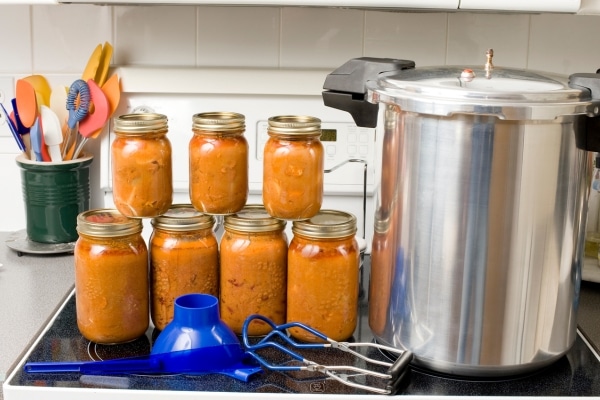
Exploring creative recipes can transform canning from a simple preservation method to a culinary adventure. From classic jams and jellies to savory sauces and pickles, the variety of recipes available for canning is vast and varied. Experimenting with different combinations of fruits, vegetables, spices, and herbs allows for personalized and unique canned goods that reflect individual tastes and culinary preferences. Moreover, developing a personal recipe collection for canning can lead to a fulfilling hobby, with the added benefit of creating a pantry stocked with homemade, ready-to-use ingredients.
Beyond the Basics – Advanced Canning Techniques
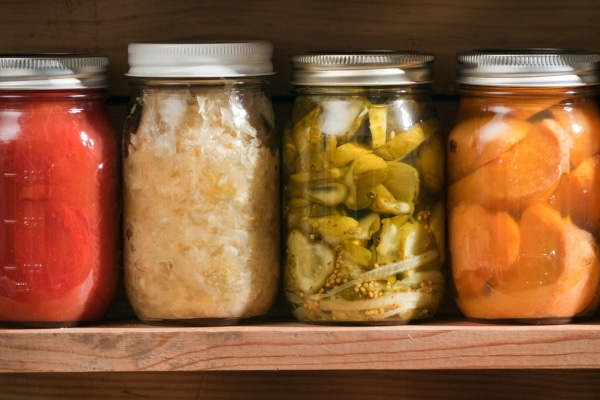
For those who have mastered basic canning, advanced techniques like fermentation, pressure canning of meats, and canning low-acid foods open up new possibilities for preserving a wider range of foods. Fermentation, for example, not only preserves food but also enhances its nutritional value and flavor complexity. Advanced canning can include working with unusual or exotic ingredients, offering a broader palette of flavors and textures. By expanding their skills and knowledge, home canners can elevate their craft, creating gourmet-quality preserved foods that are both delicious and safe to consume.
Embracing the Art of Canning
Canning your own food merges tradition with innovation, offering a rewarding way to enjoy the bounty of each season throughout the year. It’s more than just a method of food preservation; it’s a journey into self-sufficiency, culinary exploration, and a deeper connection with the food we consume. By mastering the art of canning, individuals gain not only a valuable skill but also the pleasure of creating a pantry filled with home-canned goods. This guide aims to inspire both novices and seasoned canners to embrace the art of preserving, ensuring safe, delicious, and high-quality food in their own homes.