


Keeping backyard chickens has become increasingly popular for various reasons, from the joy of collecting fresh eggs to the natural pest control they provide. This guide aims to equip beginners with the essential knowledge needed to embark on this rewarding journey. By understanding the basics of chicken care, coop maintenance, and legal requirements, aspiring chicken keepers can ensure a healthy, productive flock. With proper preparation and dedication, the experience of raising chickens can offer numerous benefits, including fresh produce, waste reduction, and a unique companionship.
Understanding the Basics

Backyard chickens, often referred to as urban poultry, are domesticated birds kept by individuals for their eggs, meat, or companionship. Choosing the right breed is crucial, as characteristics like size, temperament, and egg-laying capacity vary. For beginners, docile breeds like Buff Orpingtons or Plymouth Rocks are recommended due to their hardiness and friendly nature. Additionally, potential chicken keepers must research local laws and regulations regarding poultry, as these can significantly differ by location, affecting coop construction, flock size, and even the legality of keeping chickens at home.
In addition to breed selection and legal considerations, understanding the chickens’ environment and social structure is essential. Chickens are social animals that thrive in groups, so keeping multiple birds is advisable to prevent loneliness and stress. They require space to roam, dust-bathe, and exhibit natural behaviors, emphasizing the need for a suitable outdoor area. Furthermore, awareness of the basic anatomy and life cycle of chickens will aid in their care and management, helping owners to better recognize and address their flock’s needs.
Setting Up Your Coop
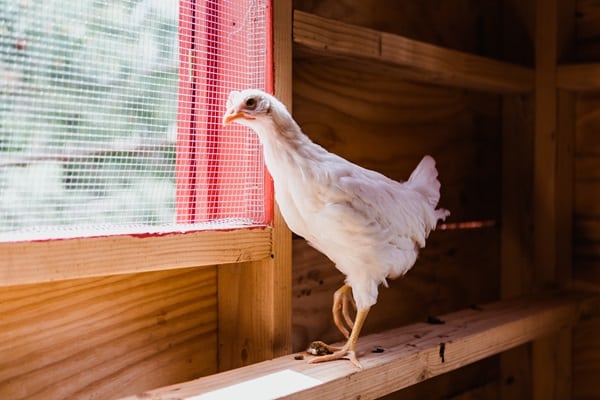
The cornerstone of successful backyard chicken keeping is a well-designed coop. A proper chicken coop provides shelter, security, and a comfortable living space. It should be spacious enough to accommodate the number of chickens you plan to keep, generally allowing 3-4 square feet per bird inside the coop and 8-10 square feet per bird in an outdoor run. Protection from predators is paramount, necessitating sturdy construction with secure latches, fencing, and wire mesh.
Ventilation is another critical factor, as poor air quality can lead to respiratory problems in chickens. The coop should have windows or vents that allow for air circulation without creating drafts. Insulation is equally important, especially in regions with extreme weather, to keep chickens warm in winter and cool in summer. Additionally, the coop should be designed for ease of cleaning, with features like removable droppings trays and easy-access nesting boxes. These considerations ensure the health and happiness of your feathered friends and simplify the maintenance routine.
Feeding Your Chickens
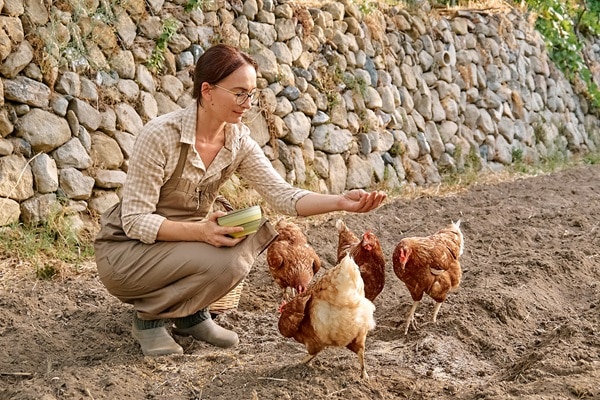
Proper nutrition is vital for the health and productivity of backyard chickens. A balanced diet for chickens typically includes a commercial poultry feed, which ensures they receive all the necessary nutrients. Starter, grower, and layer feeds cater to different life stages, each formulated to meet the specific nutritional requirements of chicks, growing birds, and egg-laying hens, respectively. Understanding these stages and providing the appropriate feed is crucial for their development and productivity.
In addition to commercial feed, chickens can benefit from access to pasture or a garden where they can forage for insects, worms, and fresh greens. This not only supplements their diet but also promotes natural behaviors and improves overall well-being. However, not all kitchen scraps and plants are safe for chickens; owners should be aware of toxic foods and plants to avoid. Proper feeding practices, coupled with access to clean, fresh water at all times, are fundamental to maintaining a healthy and productive backyard flock.
Health and Wellness
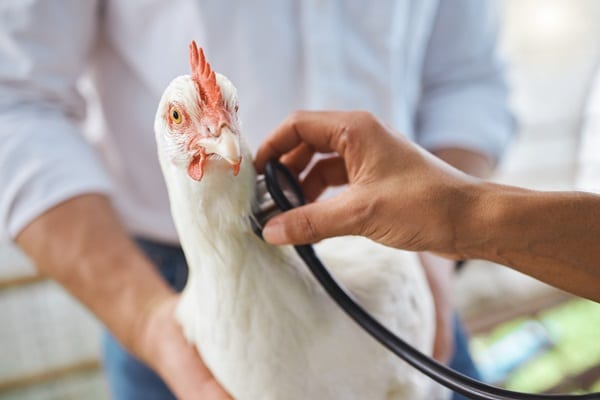
Maintaining the health and wellness of backyard chickens involves regular monitoring for signs of illness or distress. Common health issues include parasites like mites and lice, respiratory infections, and digestive problems. Recognizing early signs, such as changes in behavior, appetite, or egg production, can be crucial for timely intervention. Routine health checks, including examining feathers, skin, eyes, and beak condition, help in early detection of potential problems. Preventive measures, such as vaccinations and parasite control, are also integral to a comprehensive health management plan, ensuring the longevity and well-being of the flock.
In addition to physical health, the mental well-being of chickens should not be overlooked. Environmental enrichment, such as perches, nesting boxes, and varied terrain, encourages natural behaviors and reduces stress. Seasonal care adjustments, like providing extra insulation during winter or ensuring adequate shade and water during summer, help maintain optimal living conditions. When health issues arise, consulting with a veterinarian experienced in poultry is essential to receive appropriate advice and treatment. Establishing a relationship with a vet can also provide valuable support for routine health management and emergency situations.