


Egg Production
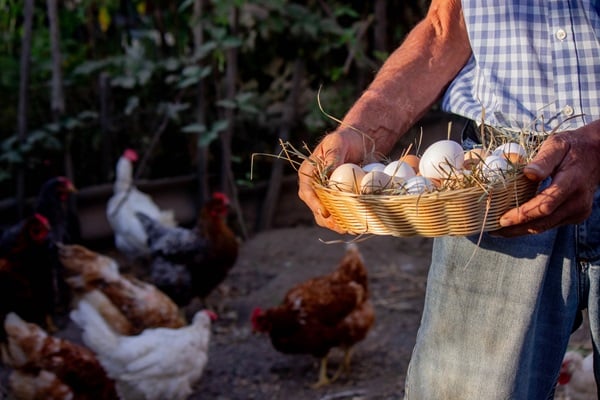
Egg production is a significant aspect of backyard chicken keeping, influenced by factors including breed, age, and environmental conditions. Certain breeds are known for their prolific egg-laying capabilities, while others may provide fewer but larger eggs. The hen’s age also plays a crucial role, with peak production typically occurring in the first 2 to 3 years. Consistent light exposure, mimicking the long days of summer, can encourage year-round laying, but care must be taken to balance productivity with the hen’s overall health.
Optimizing conditions for egg laying involves more than just managing light; diet, water intake, and coop comfort all contribute to a hen’s ability to lay regularly. Calcium-rich diets are essential for strong eggshells, while clean, comfortable nesting boxes encourage hens to lay in a designated area. Monitoring egg quality and quantity can also provide insights into the flock’s health and nutritional status. Addressing issues like egg eating, broodiness, or irregular laying patterns early can prevent larger problems and ensure a steady supply of fresh eggs.
Daily Care and Maintenance
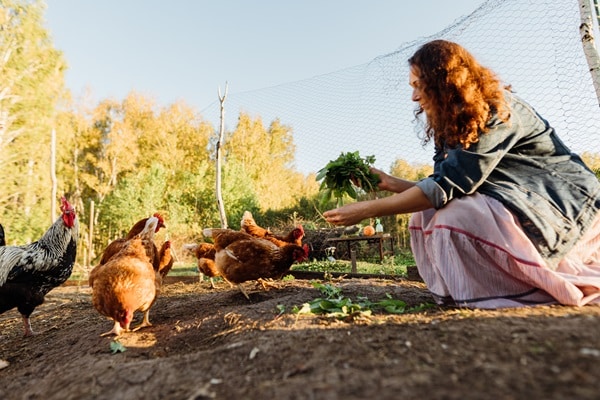
The daily care and maintenance of backyard chickens require a commitment to regular routines. Feeding, watering, and collecting eggs are daily tasks that also provide opportunities to observe the chickens’ health and behavior. Cleaning the coop, managing waste, and ensuring the security of the enclosure are also essential to prevent disease and protect the flock from predators. Regular interaction during these activities helps to tame the chickens, making them easier to handle and monitor.
Seasonal changes necessitate adjustments in care routines. Winter may require additional coop insulation and heated water dishes to prevent freezing, while summer might call for increased ventilation and access to shade and fresh water to combat heat stress. Implementing a consistent care schedule helps in identifying and addressing any issues promptly, ensuring the chickens remain healthy and productive. Educating oneself about the seasonal needs of backyard chickens is key to providing a safe and stimulating environment year-round.
Handling and Socialization
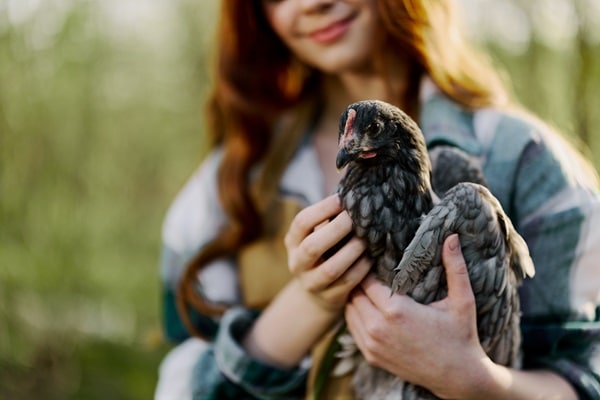
Handling and socialization are critical components of backyard chicken care, contributing to the birds’ overall well-being and ease of management. Regular, gentle handling from a young age can acclimate chickens to human interaction, making them more docile and easier to examine for health checks. It’s important to approach chickens calmly and confidently, using slow movements to avoid startling them. Proper handling techniques, such as supporting the body and securing the wings, ensure the safety and comfort of both the chicken and the keeper. Socialization extends beyond human interaction, as chickens are social creatures that require a pecking order to maintain harmony within the flock.
Introducing new chickens to an existing flock must be done carefully to minimize stress and aggression. Quarantine new birds initially to prevent the spread of diseases and observe their health. Gradual introduction, where chickens can see but not physically contact each other, helps to establish familiarity without immediate territorial disputes. Ensuring adequate space, food, and water stations can reduce competition and facilitate smoother integration. These practices not only promote a peaceful coexistence but also support the social structure essential for the flock’s stability and happiness.
Planning for the Future
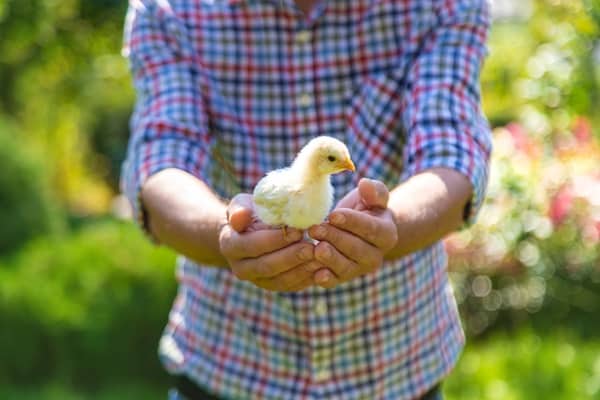
Planning for the future of a backyard chicken flock involves considering long-term commitments and potential changes. As chickens age, their egg-laying rate decreases, raising the question of retirement and end-of-life care. Additionally, keepers may wish to expand their flock or venture into breeding, which requires understanding genetic traits, incubation processes, and chick rearing. Sustainable practices, such as rotating foraging areas and managing waste through composting, contribute to the long-term health of the chickens and the environment.
The dynamics of the flock may evolve with time, necessitating adjustments in coop space, flock management, and daily routines. Being prepared for these changes ensures the well-being of the chickens and the sustainability of the backyard farm. This forward-thinking approach also allows for the anticipation of potential challenges, such as dealing with predators or managing diseases, ensuring the longevity and productivity of the flock. Engaging with local chicken keeping communities or online forums can provide valuable insights and support for both novice and experienced keepers, fostering a shared commitment to responsible and enjoyable chicken care.
Embarking on Your Backyard Chicken Journey
Embarking on the journey of keeping backyard chickens is a fulfilling endeavor that brings the joys of fresh eggs, natural pest control, and engaging companionship. It requires dedication to understand and meet the needs of your feathered friends, from setting up a secure coop to ensuring their health and happiness through proper care and nutrition. By embracing the responsibilities and joys of chicken keeping, you can cultivate a thriving backyard flock. This guide serves as a foundation to start your adventure with confidence, fostering a sustainable and rewarding relationship with your chickens.