
Contents
Pruning Evergreen Trees

Pruning evergreen trees is vital to ensure their overall health and appearance. Timing is essential when it comes to pruning, and it’s best to do it during their dormant period, which is typically late fall or winter. Pruning during this time helps minimize the loss of sap and preserves the tree’s energy for regrowth in the spring. It’s important to avoid removing more than one-third of the tree’s foliage, as this can affect its ability to photosynthesize and produce food.
Removing dead or diseased branches is essential to prevent further damage and improve the tree’s overall health. Pruning evergreen trees can be a challenging task, but with the proper technique and timing, it can help enhance their natural beauty.
Pruning Young Trees

Pruning young trees is essential in maintaining their health and promoting proper growth. Young trees should be pruned regularly to remove any dead or damaged branches that can inhibit growth.
Additionally, pruning encourages the tree to develop a strong, sturdy structure that can support its weight as it grows taller. When pruning young trees, it is essential to use clean and sharp pruning tools to prevent any damage to the tree. Proper pruning techniques can also help to prevent diseases and pests from damaging the tree. By taking the time to prune your young trees, you can ensure they grow into healthy and robust additions to your landscape.
Common Pruning Mistakes To Avoid
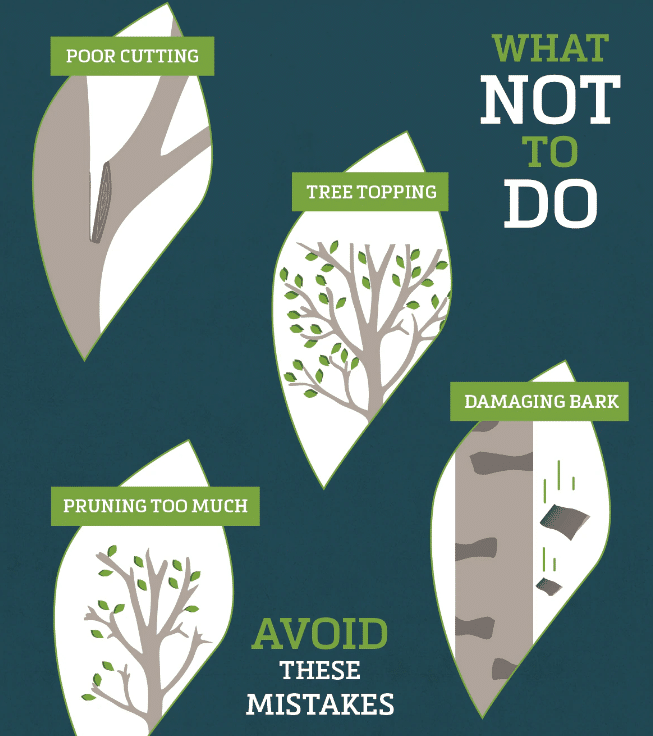
Pruning is an essential aspect of maintaining your plants’ health and aesthetics. However, even experienced gardeners can make mistakes while pruning. One of the most common mistakes is pruning at the wrong time of year. For example, pruning in the fall can stimulate new growth that won’t have enough time to harden before winter, leaving it vulnerable to frost damage.
Another common mistake is removing too much of the plant at once, which can be a shock to the system. It’s important to remove only 25% or less of the plant yearly. Finally, using the wrong tools for the job can lead to ragged cuts that are more prone to infection. Invest in a good pair of pruners and keep them sharp to make clean cuts. By avoiding these pruning mistakes, you can keep your plants healthy and looking beautiful.
Pruning Challenges And Solutions
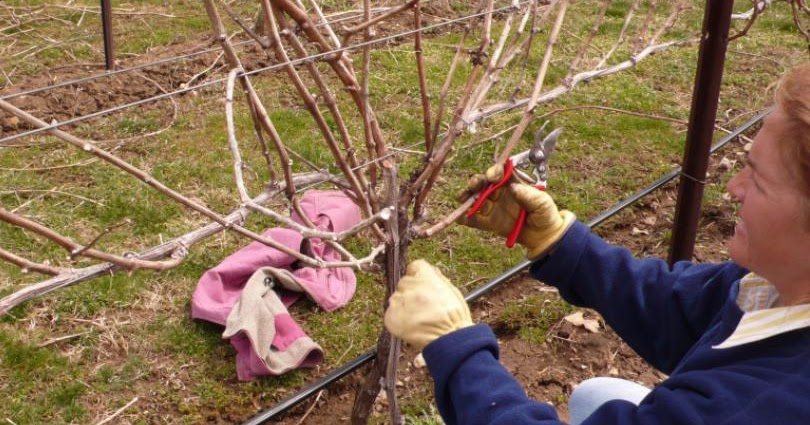
Maintaining a healthy and attractive garden requires plenty of hard work, and pruning is an essential task often poses significant challenges for gardeners. One of the biggest difficulties gardeners face when it comes to pruning is identifying which branches need to be removed and which ones should be left untouched. Another challenge is determining the right time of year to prune different types of plants properly.
Fortunately, there are several solutions to these problems. For instance, gardening experts recommend using an appropriate pruning tool that suits the task at hand, such as a pruning saw or shears. It’s also helpful to research specific pruning techniques and best practices for different types of plants and trees. With the right tools and knowledge, pruning can become a more manageable and satisfying task for any gardener.
Maintaining Pruned Trees

Maintaining pruned trees is essential to keeping your trees healthy and aesthetically pleasing. Regular pruning promotes tree growth and prevents potentially hazardous branches from falling and damaging your property or injuring passersby. To ensure that your pruned trees remain healthy, it’s essential to understand the different types of pruning techniques and when each one should be used.
Thinning is a common pruning method that involves selectively removing branches from the tree’s crown to increase airflow and sunlight exposure. Alternatively, heading is used to control the tree’s size and shape by cutting back the tips of branches. Understanding the appropriate pruning methods for your particular tree species will ensure that your trees remain healthy, vibrant, and well-maintained.
The Importance Of The Best Pruning Techniques For Your Trees
In summary, tree diseases can be caused by many different environmental factors and pests. Knowing the signs of common tree illnesses is key to preventing these diseases from spreading to our beloved trees. Regularly examining the overall health of your trees, being mindful of their environment, and ensuring they get proper fertilization each year are excellent preventative methods against any maladies that may come their way. Taking the time to do simple check-ups on your trees will pay off dividends in the future, helping to ensure that your home or property’s majestic greenery stays strong and healthy for years to come! All it takes is just a few moments of your time each month—but the rewards are bountiful!