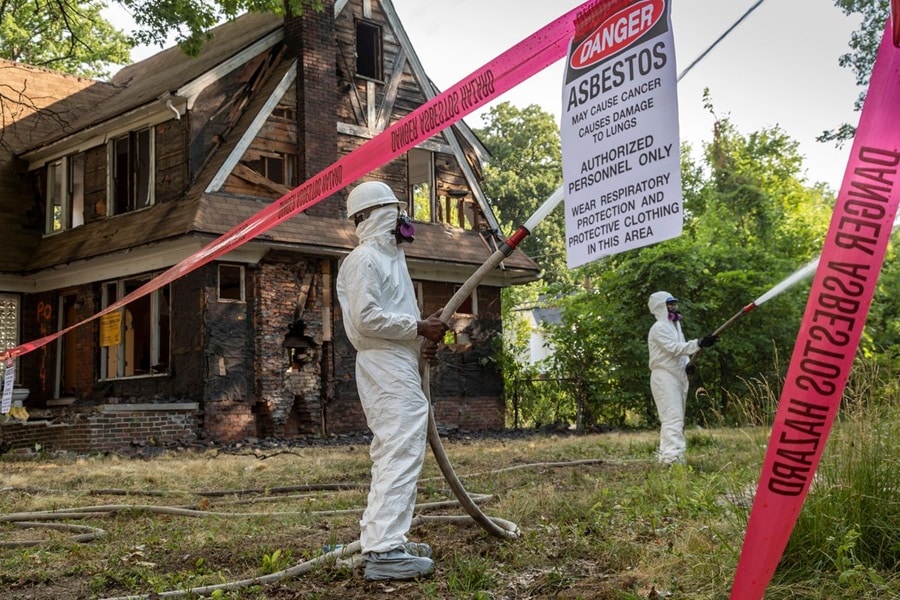
Asbestos, once hailed as a miracle mineral for its fire-resistant properties, is now a known health hazard, especially in older homes. Before its dangers were fully understood, asbestos was widely used in various building materials, from insulation to floor tiles. Today, asbestos in older homes poses significant risks to occupants, as its fibers, when disturbed, can lead to serious health problems. This article delves into the hidden dangers of asbestos in older homes, guiding homeowners through the identification, risks, and safe management of this hazardous material.
Understanding Asbestos
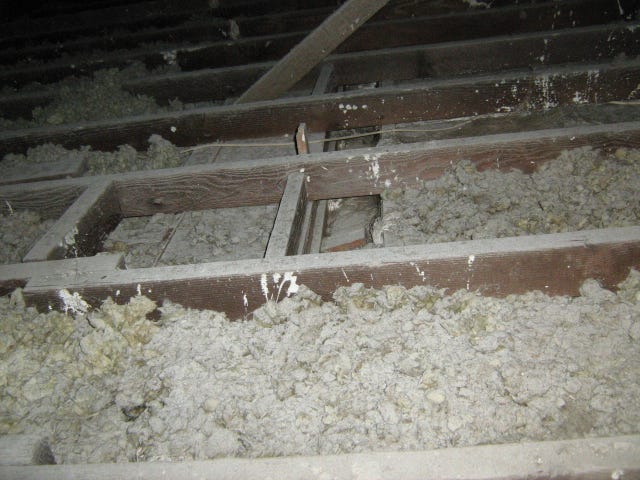
Asbestos is a group of naturally occurring fibrous minerals known for their durability, heat resistance, and insulating properties. Historically, these characteristics made it an ideal material for various construction applications. In older homes, asbestos was commonly used in insulation, roofing, floor tiles, and joint compounds. However, when these materials age or are damaged, they can release asbestos fibers into the air, posing a severe health risk to the inhabitants. The danger of asbestos is not in its presence but in its disturbance, making awareness and careful management crucial.
Despite its once widespread use, the dangers of asbestos led to a decline in its application, and many countries have now banned its use. However, numerous older homes still contain asbestos-containing materials. The challenge lies in identifying these materials, as they are not always obvious to the untrained eye. Homeowners must be cautious during renovations to avoid inadvertently disturbing asbestos and releasing harmful fibers.
Identifying Asbestos in Your Home
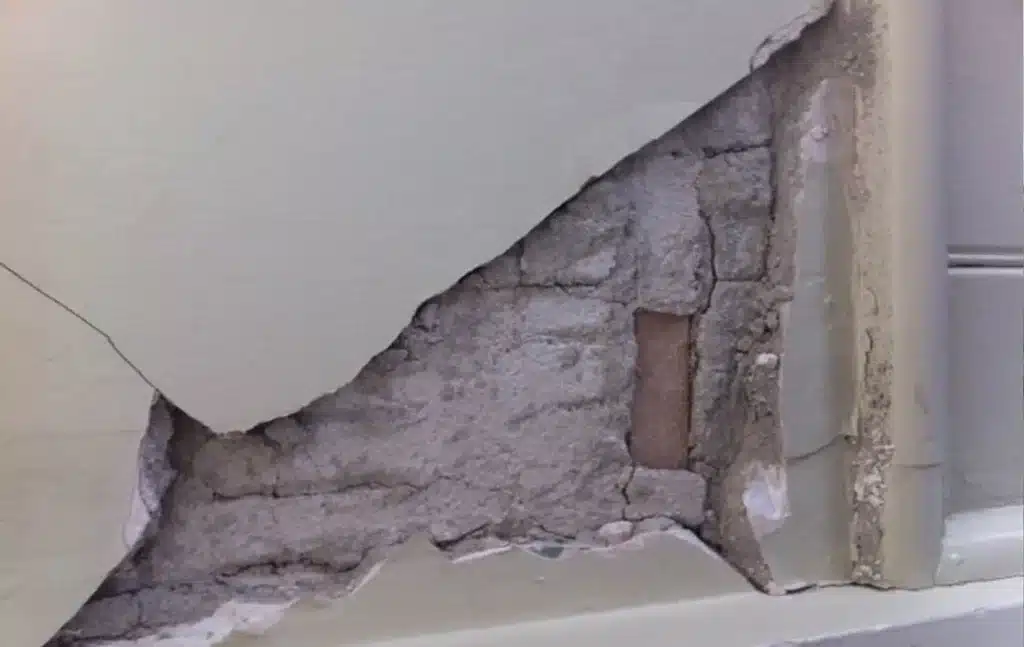
Identifying asbestos in a home, especially one built before the 1980s, is a critical first step in managing its risks. Common locations where asbestos may be found include old pipe insulation, ceiling tiles, roofing shingles, and vinyl floor tiles. If in good condition, these materials might not pose an immediate risk. However, if they are crumbling, broken, or otherwise disturbed, they can release asbestos fibers into the air.
Homeowners should look for signs of wear or damage in materials known to contain asbestos. However, it is crucial to note that asbestos cannot be confirmed by sight alone. Professional testing is often necessary to ascertain its presence. If asbestos is suspected, it’s advisable to avoid any DIY attempts at removal or repair, as this can exacerbate the risk of fiber release. Instead, homeowners should seek the expertise of professionals trained in asbestos identification and handling.
Health Risks of Asbestos Exposure
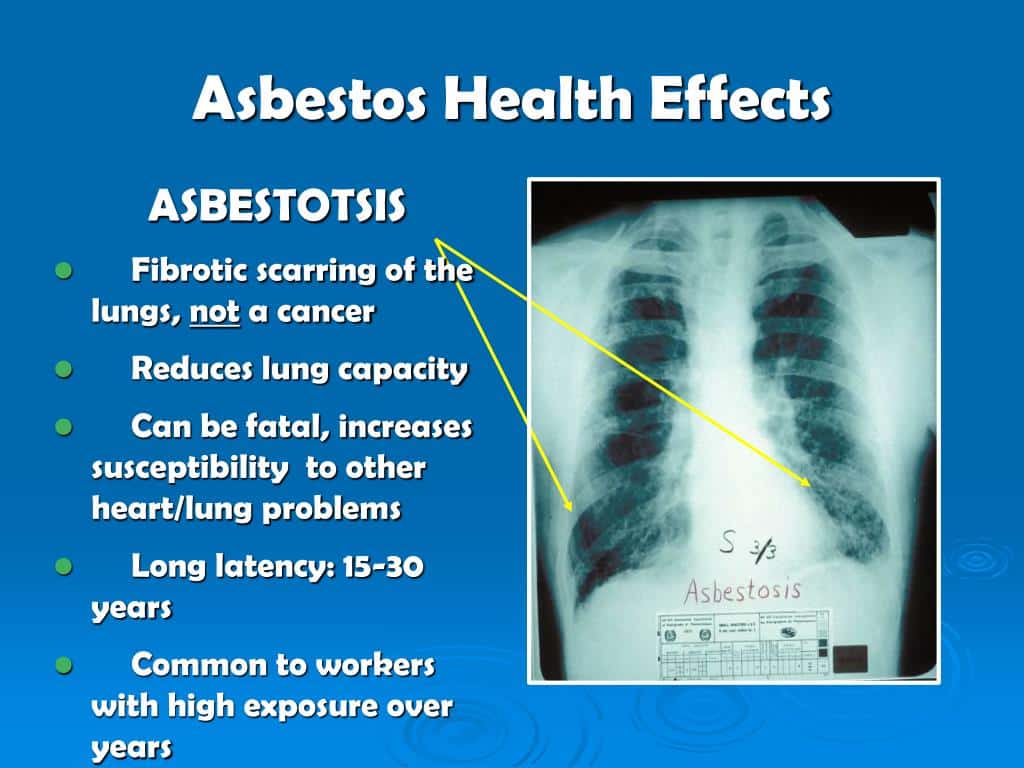
Exposure to asbestos fibers can lead to severe health problems, the severity of which is often not apparent until many years after exposure. Inhaling asbestos fibers can cause lung diseases such as asbestosis, lung cancer, and mesothelioma – a rare form of cancer primarily associated with asbestos exposure. These diseases result from the fibers damaging lung tissue over time, leading to scarring, inflammation, and, eventually, cancer.
The risk of developing these conditions increases with the amount and duration of asbestos exposure. Symptoms, which can take decades to appear, include shortness of breath, persistent cough, and chest pain. Preventing exposure is the only way to mitigate these risks. This emphasizes the importance of proper identification, management, and, if necessary, removal of asbestos from homes, particularly those built before modern regulations limited its use.