


In an era where energy conservation and sustainability are paramount, the role of home heating systems becomes essential. Besides being a key factor in our domestic comfort, heating systems significantly affect your monthly bills and environmental footprint. By delving into the most efficient home heating systems available today, homeowners can make informed decisions that cater to their comfort and ecological and economic concerns.
Understanding Home Heating Basics

Every home requires an effective mechanism to counter chilly weather. At the heart of home heating lies the simple principle of transferring energy from a source to spread warmth. This could be through combustion, electric resistance, or other innovative methods. Regardless of the medium, the efficiency of this energy transfer plays a pivotal role in determining energy consumption and costs.
Heating systems encompass more than just devices; they involve a complex integration of mechanisms and sources. The options are myriad, from traditional furnaces burning fossil fuels to radiant floors using electricity. But with each comes its unique advantages, energy implications, and costs. Identifying these differences is the first step toward understanding what makes a system efficient and suitable for a particular home.
Central Heating Systems

The central heating system, a mainstay in many homes, operates by heating a central source, disseminating heat throughout the space. Furnaces, which heat air and distribute it via ducts, and boilers, which heat water and send it to radiators, are prime examples. The broad acceptance of central heating systems can be attributed to their ability to provide consistent warmth throughout the household.
Different homes and regions might prefer furnaces over boilers or vice versa based on the prevalent energy sources and climatic conditions. For instance, homes with existing ductwork might find furnaces more compatible, while those in colder climates might prefer boilers for their ability to provide hotter temperatures. However, the overarching theme remains consistent: central heating is all about distribution and the evenness of warmth.
Heat Pumps
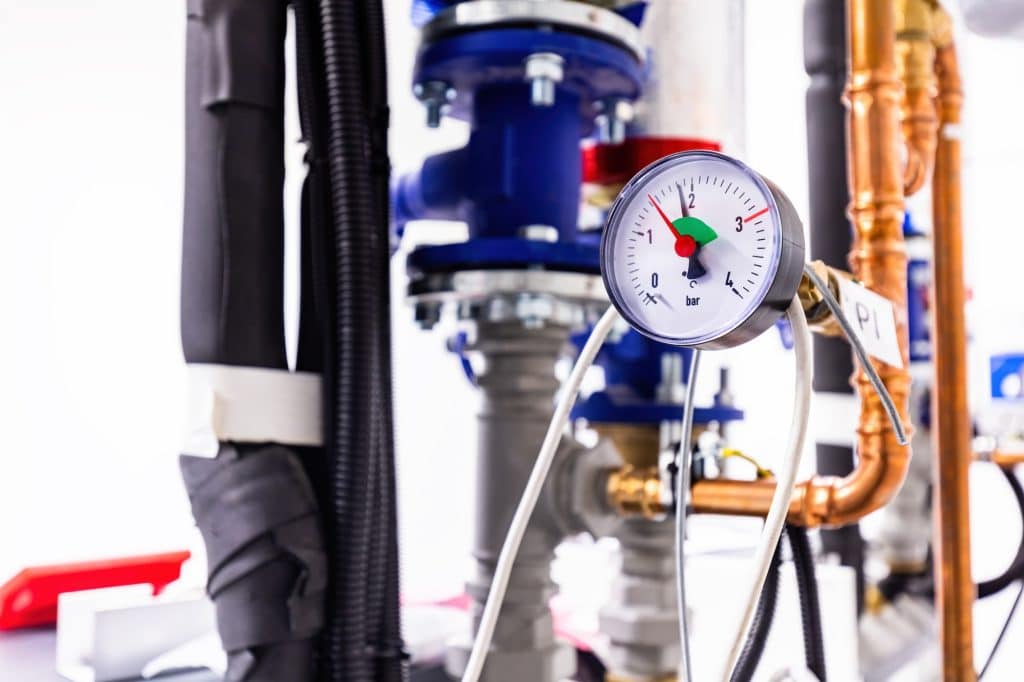
In terms of versatility, heat pumps stand out prominently. Not only do they offer heating solutions, but they also double up as cooling systems during warmer months. The basic premise is the transfer of heat from one source to another. An air-source heat pump, for instance, extracts heat from the outside air and pumps it indoors during winters and vice versa during summers.
Ground-source or geothermal heat pumps operate on a similar principle but leverage the constant temperatures of the ground beneath us. They’re especially effective in regions with milder climates, offering significant savings on heating bills. One of the compelling reasons for the growing popularity of heat pumps is their dual functionality coupled with energy efficiency, especially when compared to traditional heating and cooling units.
Radiant Floor Heating
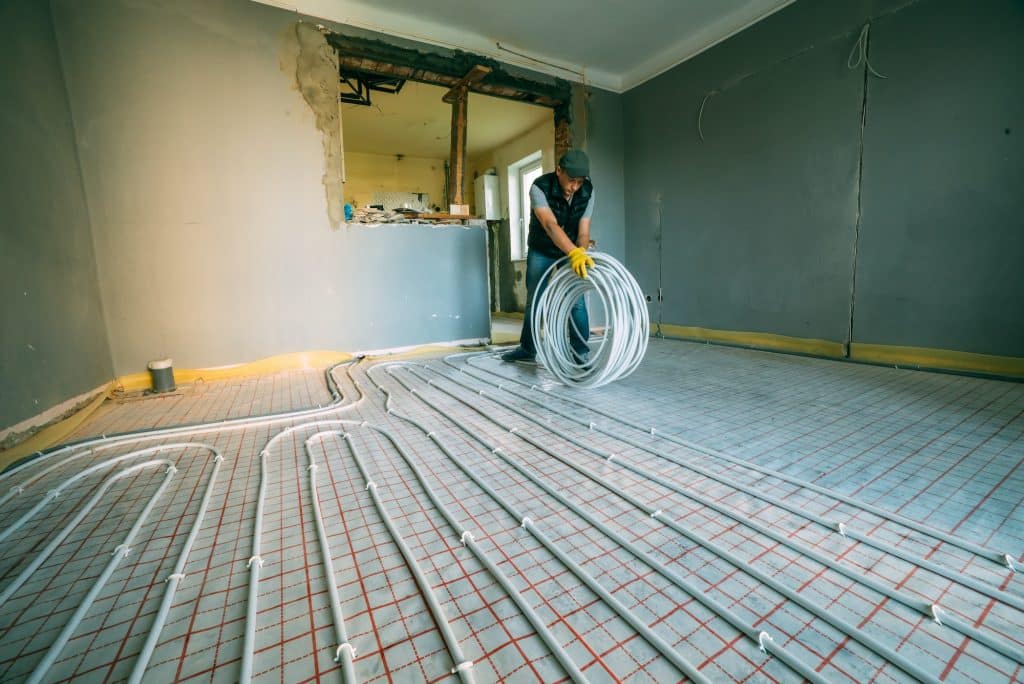
Underfoot warmth is a luxury and a reality with radiant floor heating. By placing heating coils or water tubes beneath the floor, this system ensures that warmth rises naturally, providing an even and comfortable temperature throughout the room. Since heat naturally rises, heating from the ground up proves more efficient than other systems that heat air at higher levels.
Unlike traditional systems that might leave cold spots or inconsistencies, radiant floor heating offers a unique uniformity. The heat is distributed over the entire floor, turning the surface into a large radiator. This not only means consistent warmth but also leads to energy savings in the long run. Furthermore, with no noisy fans or blowers, it’s one of the quietest systems available.