
Many assume their clothes wear out quickly due to poor manufacturing, but daily habits play a bigger role in their deterioration. Overwashing, improper storage, and exposure to heat or harsh chemicals weaken fabric fibers, causing fading, shrinking, and tearing. By adopting simple, mindful care techniques, it is possible to extend the life of clothing while saving money and reducing waste. Small changes, such as choosing better fabrics, washing strategically, and repairing minor damage, can significantly impact how long clothes last. With the right approach, a wardrobe can remain fresh and functional for years instead of months.
Choosing Quality Over Quantity: The First Step to Longevity
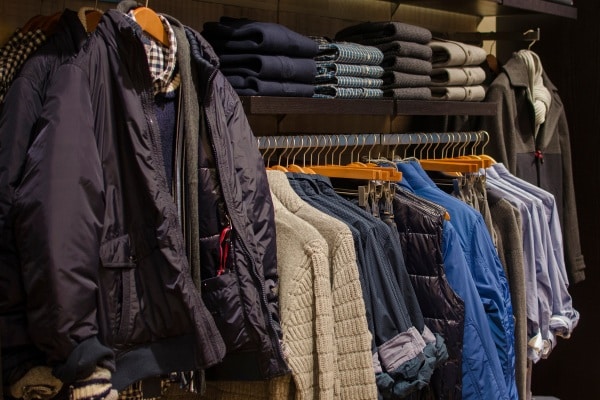
The appeal of cheap, trendy clothing is undeniable, but fast fashion is not built to last. Many garments are produced with low-quality fabrics and weak stitching, making them prone to tearing, fading, and stretching out of shape. Investing in well-made clothing may seem expensive upfront, but higher-quality materials and craftsmanship provide better durability. Classic, well-constructed pieces last longer and maintain their shape, color, and comfort over time. Choosing fewer, better garments results in a wardrobe that remains stylish without the need for constant replacements.
Not all high-quality clothing guarantees longevity, making fabric selection as important as brand reputation. Natural fibers like cotton, wool, and linen last longer than synthetic blends if cared for properly. Checking for reinforced seams, double stitching, and fabric weight can help determine a garment’s durability before purchase. Avoiding ultra-thin materials and loose weaves prevents premature wear, ensuring that clothes withstand repeated washing and daily movement. Prioritizing quality over quantity creates a wardrobe that resists damage while remaining comfortable and stylish.
Washing Smarter, Not Harder
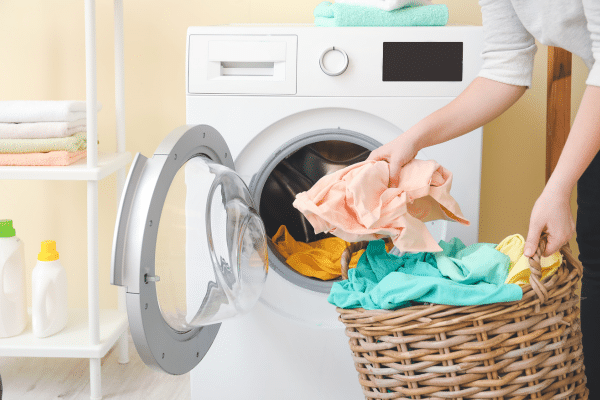
Frequent washing is one of the quickest ways to wear out clothing, as exposure to detergent, water, and agitation weakens fabric fibers. Many people overwash their garments out of habit, even when a simple airing or spot cleaning would suffice. Washing clothes only when necessary helps maintain their strength, shape, and color. When laundering is required, cold water and a mild detergent reduce fiber damage while preventing shrinkage and fading. A gentle cycle with shorter wash times further minimizes stress on delicate materials.
Sorting clothes by color and fabric type is another essential step in preserving longevity. Washing delicate fabrics with heavy items like jeans or towels can lead to stretching, pilling, or tearing. Heavier garments should be washed separately, and delicate fabrics may benefit from the protection of a mesh laundry bag. Turning dark clothing inside out helps prevent fading while avoiding fabric softeners reduces residue buildup. By refining laundry habits, clothes remain in better condition for much longer.
Mastering the Art of Drying Clothes the Right Way
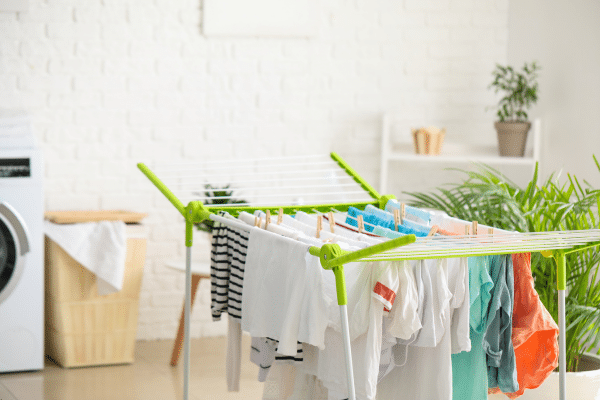
High heat is one of the most damaging factors in clothing care, causing shrinkage, fading, and weakened fibers. The intense temperatures of dryers break down fabric elasticity, leading to stretched-out garments that lose their original shape. Whenever possible, air-drying clothing on a rack or clothesline preserves fabric strength and prevents unnecessary wear. If using a dryer is unavoidable, choosing a low-heat or air-dry setting helps reduce damage. Removing clothes while they are slightly damp and allowing them to finish drying naturally can further extend their lifespan.
Hanging or laying clothes flat to dry prevents common issues like wrinkles and misshaping. Knitwear and delicate fabrics should be laid flat on a clean towel to avoid stretching, while structured garments, such as blazers or dress shirts, benefit from being hung properly. Wooden or padded hangers provide better support than wire hangers, reducing shoulder dents and misshaping. Proper drying techniques keep clothes looking fresh, reducing the need for frequent ironing or unnecessary replacements.