
Contents
Inadequate Lighting
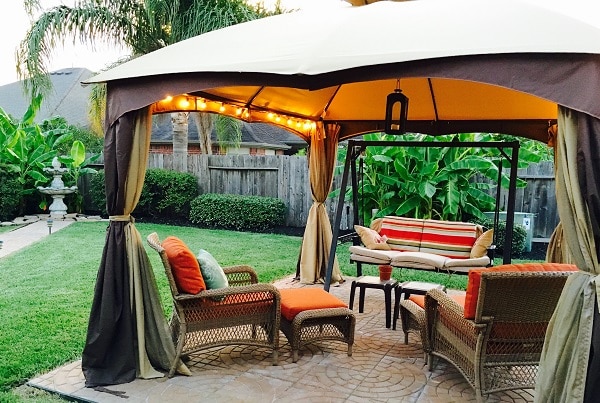
Lighting plays a pivotal role in setting the mood and ensuring safety in any space, and patios are no exception. A common oversight is either over-illuminating the area, making it glaringly bright, or under-lighting it, leading to dark spots and potential hazards. Both extremes can diminish the comfort and appeal of the patio, especially during the evenings.
To achieve the right ambiance, layer your lighting. Incorporate ambient lighting for general illumination, task lighting for specific activities like cooking or reading, and accent lighting to highlight design features. Solar lights, string lights, lanterns, and LED fixtures can all be combined to create a warm and inviting atmosphere. Remember to consider the placement carefully, ensuring that pathways are well-lit and there are no overly bright or dim areas.
Overlooking Seasonal Changes

A patio that looks splendid in the summer might lose its charm in the winter. Many homeowners design their patios with only one season in mind, neglecting the changes in weather and plant life throughout the year. This oversight can lead to a patio that’s sweltering hot in the summer sun or looks barren and uninviting during colder months.
To create a year-round oasis, consider elements that cater to different seasons. Install shade structures or umbrellas for the summer, and consider adding a fire pit or heaters for colder months. When selecting plants, choose a mix of evergreens and seasonal flora to ensure your patio remains vibrant throughout the year. By planning for seasonal changes, you ensure that your patio remains a favorite spot regardless of the time of year.
Lack Of Cohesion With Home Architecture
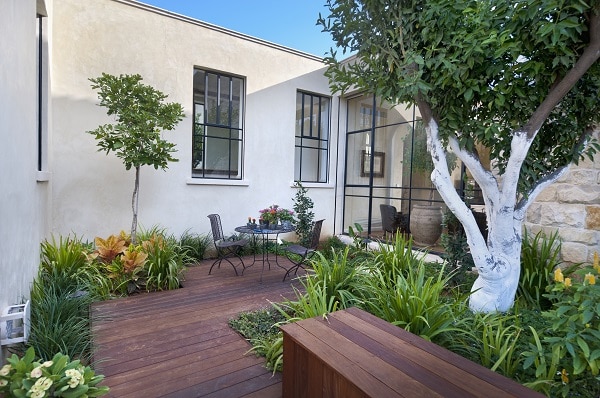
A patio should feel like a seamless extension of your home, not an afterthought or a separate entity. One common mistake is designing a patio that clashes with the home’s architectural style. Whether it’s a mismatch in materials, colors, or overall design, a lack of cohesion can disrupt the flow and feel disjointed.
To ensure harmony, take cues from your home’s architecture. If your home has a modern aesthetic, incorporate sleek lines and contemporary materials into your patio design. For a more traditional home, classic design elements and materials might be more appropriate. By aligning the patio’s design with the home’s architectural style, you create a unified and harmonious outdoor space that complements rather than competes with your home.
Not Planning For Future Needs

While it’s essential to design a patio that meets your current needs, it’s equally crucial to consider the future. Families grow, needs change, and what works today might not be ideal a few years down the line. Designing a patio without flexibility can lead to costly renovations or a space that no longer serves its purpose.
Consider incorporating elements that can be easily adapted or expanded. For instance, if you’re starting a family, ensure there’s room to add play equipment or more seating in the future. If you’re an avid gardener, leave space for potential garden beds or planters. By designing with adaptability in mind, you ensure your patio remains functional and relevant for years to come.
Avoid These Common Pitfalls Of Patio Design!
Designing the perfect patio is a blend of aesthetics, functionality, and foresight. While the potential pitfalls are many, being aware of them is the first step in avoiding them. By considering the natural landscape, choosing the right materials, ensuring privacy, and planning for the future, among other considerations, you can create an outdoor space that serves as a true extension of your home. Remember, the key lies in thoughtful planning, a touch of creativity, and the willingness to seek expert advice when needed. Your dream patio is within reach; all it takes is a bit of diligence and vision!