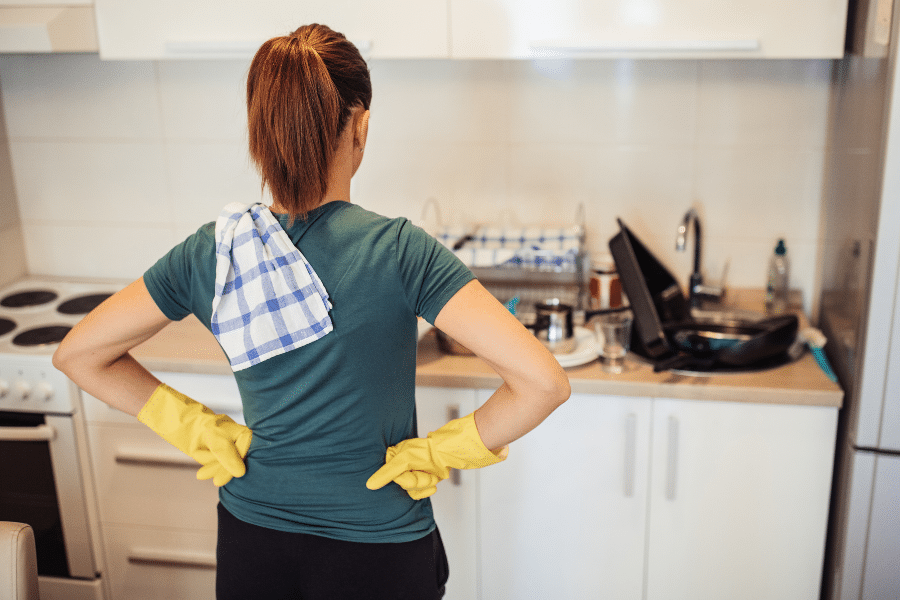
Kitchens are often considered the heart of the home, but they’re also home to more germs than you might expect—surprisingly, even more than a toilet seat. Understanding which kitchen items harbor the most bacteria is crucial for maintaining a clean and healthy environment.
Sink and Faucet Handles
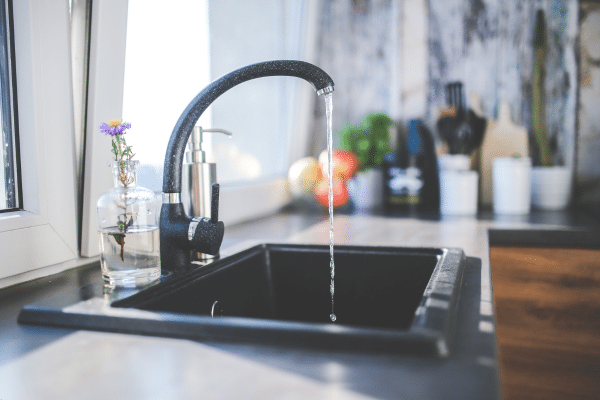
The kitchen sink is a breeding ground for bacteria due to constant exposure to food particles and moisture. From raw meat residues to vegetable scraps, these elements contribute to a perfect environment for germs to thrive. Faucet handles compound the issue, as they are frequently touched with unwashed hands during food preparation and cleanup, making them hotspots for bacteria accumulation.
Regular cleaning and disinfecting of both the sink and faucet handles are essential. It’s recommended to use a strong antibacterial cleaner that can effectively eliminate germs, ensuring these areas do not become a health hazard in the kitchen.
Dish Sponges and Rags
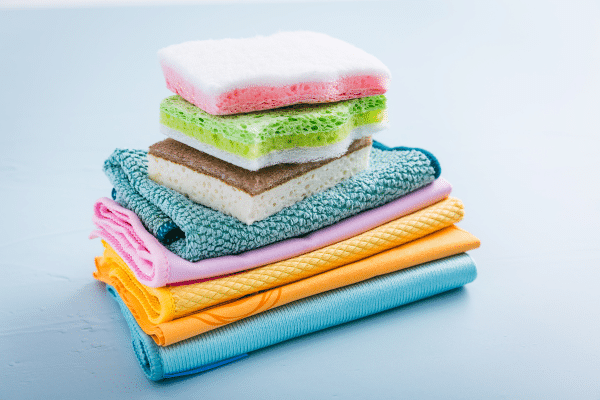
Dish sponges are among the dirtiest items in any kitchen. They are ideal for bacterial growth due to their moist and porous nature, which traps food particles and moisture. Regular use of these sponges for cleaning dishes and surfaces can spread bacteria like E. coli and Salmonella throughout the kitchen.
Kitchen rags are no less problematic. Used for everything from drying hands to wiping spills, they frequently become contaminated with bacteria. To minimize risks, both sponges and rags should be replaced regularly or sanitized daily in a hot water cycle or with a suitable disinfectant.
Cutting Boards
Cutting boards come into direct contact with a wide variety of foods, from raw meats to vegetables, making them a significant concern for cross-contamination. Without proper cleaning, bacteria such as Salmonella and E. coli can linger on the surface and potentially infect other foods.
To keep cutting boards safe, they should be thoroughly cleaned with hot soapy water after each use, followed by a disinfection with a bleach solution or vinegar, especially after they come into contact with raw meat.
Refrigerator Handles and Seals

Refrigerator handles are frequently touched by multiple household members, making them common vectors for the transfer of germs. Additionally, the seals around refrigerator doors often accumulate crumbs and moisture, providing a niche for mold and mildew to grow.
Regular disinfection of these areas is crucial. Wiping down handles and seals with an antibacterial solution can help prevent the buildup of germs and ensure that the refrigerator remains a safe storage area for food.