
Overpersonalization
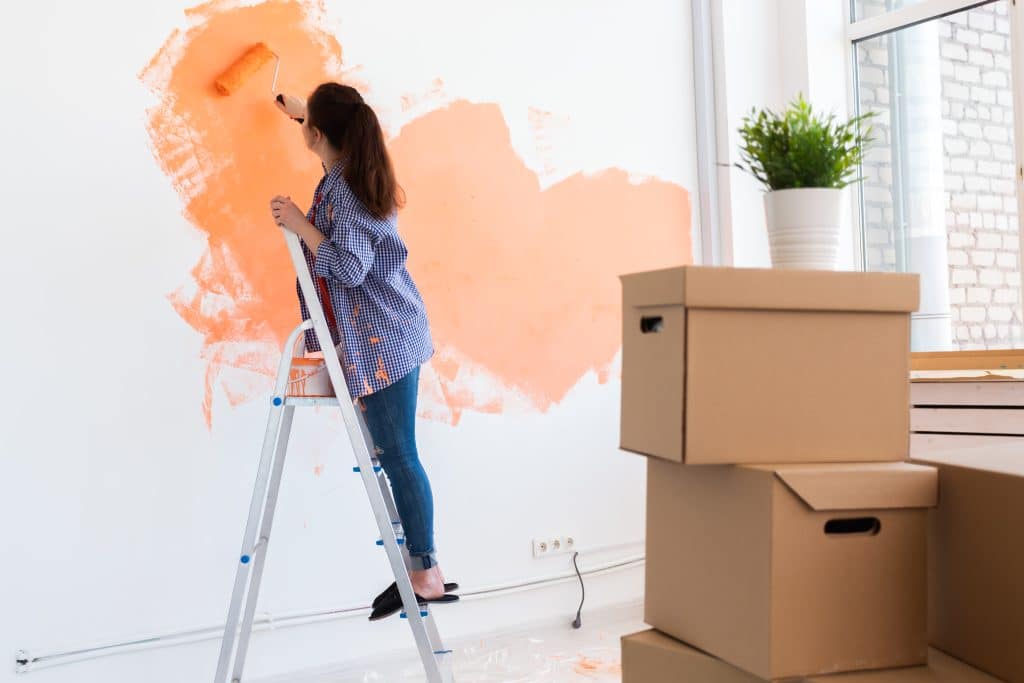
Personalizing your home is natural; after all, it’s your living space. However, what appeals to you may not appeal to potential buyers. Eccentric paint colors, custom fixtures, or themed rooms can make your home harder to sell. These highly personalized choices can limit the pool of interested buyers, as they may find it difficult to envision themselves in a space tailored to someone else’s tastes.
Furthermore, extreme renovations, like converting a bedroom into a home theater or installing an indoor pool, may seem like upgrades. However, not every buyer will see these as added value. In fact, such specialized rooms can even deter buyers who are looking for more traditional home features. The cost of reversing these renovations can lead to lower offers, affecting your home’s overall value.
Lack Of Curb Appeal

The exterior of your home is the first thing potential buyers see, and a lack of curb appeal can be a deal-breaker. Neglected landscaping, such as overgrown lawns or dead plants, can make your property appear uncared for. This initial impression can set a negative tone for the rest of the home tour, making it harder to secure a good offer.
Similarly, fading exterior paint or worn-out siding can significantly impact your home’s market value. These issues not only make your home less visually appealing but also raise questions about its overall maintenance. Investing in curb appeal can yield significant returns, making it a critical aspect of home value preservation.
Environmental Factors

While you can control many aspects of your home, environmental factors are usually beyond your reach. Living close to industrial areas, landfills, or busy highways can introduce noise, smells, and pollution that are off-putting to potential buyers. These factors can significantly reduce the number of interested parties and, consequently, the offers you receive.
Natural disaster risks, such as flood zones or earthquake-prone areas, can also be a red flag for buyers. The potential for added insurance costs and the risk of property damage can make your home less appealing. While you can’t change your home’s location, being aware of these factors can help you set a realistic selling price.
Poorly Executed DIY Projects

The rise of home improvement shows, and tutorials have empowered many homeowners to tackle DIY projects. However, poorly executed work can do more harm than good. Shoddy electrical or plumbing work can lead to safety hazards, requiring expensive professional repairs. These issues can be a significant concern for potential buyers, who may request concessions or lower their offers accordingly.
Incomplete renovations can also be a problem. While you may have had grand plans for that unfinished basement or attic, buyers see these as projects they’ll need to take on. The prospect of additional work and expense can deter buyers, leading to lower offers and a reduced home value.
Take Steps To Protect Your Home’s Value!
You’ve invested time, money, and love into your home. Don’t let easily avoidable pitfalls erode its value. Whether it’s keeping up with maintenance, updating appliances, or being mindful of your home’s curb appeal, small changes can make a big difference. Take the time to evaluate your property’s strengths and weaknesses and make the necessary adjustments. Your home is one of your most significant assets; protect it wisely!