Problem-Solving and Conflict Resolution
Addressing issues before they escalate is key to maintaining a healthy neighborhood dynamic. Ignored or neglected problems can fester, creating a toxic environment. Early communication about issues, whether a property line dispute or noise complaints, can help reach an amicable resolution. This proactive approach often prevents conflicts from escalating into larger issues that might require legal intervention.
Effective mediation is another crucial aspect of problem-solving. Sometimes conflicts can’t be avoided, but how neighbors handle these conflicts makes all the difference. Opting for a calm, rational discussion over heated arguments can lead to agreeable solutions for all parties involved. In more complicated situations, involving a neutral third party can also be an effective way to mediate.
Building a Community, Not Just a Neighborhood

A neighborhood isn’t just a collection of houses; it’s a community. Organizing social events like block parties, garage sales, or holiday celebrations can be a great way to foster this sense of community. These events offer a relaxed setting where neighbors can get to know each other better, creating stronger bonds.
Neighborhood groups and online platforms can also be instrumental in community building. Creating or joining neighborhood-specific social media groups can keep everyone informed and connected. Such platforms can serve as a hub for community news, recommendations, and even emergency updates, ensuring everyone feels included and up-to-date.
Celebrating Diversity
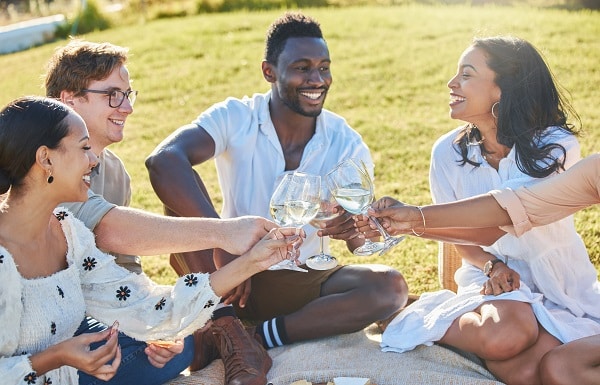
Living in a diverse neighborhood is an opportunity for enrichment and growth. Welcoming and appreciating different cultures can make the neighborhood a more interesting and harmonious place to live. Whether celebrating different festivals, sharing recipes, or simply acknowledging diverse traditions, these interactions contribute to a well-rounded community.
An inclusive environment goes beyond just cultural diversity. It includes making spaces accessible for neighbors with disabilities, respecting different lifestyle choices, and fostering a welcoming environment for everyone regardless of their background. Practicing inclusivity not only enriches one’s own life but enhances the overall quality of the community as well.
Taking Care of Shared Spaces

Common areas like parks, swimming pools, or community centers are shared benefits and shared responsibilities. Properly maintaining these spaces is not just the job of a maintenance crew; it’s a collective responsibility. Small acts can go a long way, Whether it’s picking up after oneself or adhering to shared facility guidelines.
Reporting problems or volunteering for community clean-up drives can also significantly impact. These actions don’t go unnoticed and encourage a culture of care and respect. When neighbors take pride in their shared spaces, it elevates the entire neighborhood, making it a more desirable place to live.
The Bottom Line
Being a good neighbor is a role that demands a thoughtful and active approach. From establishing open communication and mutual respect to addressing conflicts and fostering community bonds, every aspect contributes to a harmonious living environment. Moreover, celebrating diversity and being inclusively present enriches not only individual lives but the community as a whole. The journey to being a better neighbor starts with a single step—a willingness to extend a hand, share a smile, or lend an ear. Adopt these tips and contribute to building a neighborhood that’s not just a place to live but a community to cherish.