


With the cost of seemingly everything rising these days, everyone is looking for ways to save a few dollars, whether cutting back on subscription services or eating out a little less than you used to. However, what if there was a way to reduce your monthly bills? While it’s next to impossible to lower the price of your mortgage, there are ways to make your home more energy-efficient, which can make your power bill manageable. Here are some tips on making your home just a little bit more energy efficient!
Ask For An Energy Audit

If you have read this far, you are interested in either saving money or reducing your carbon footprint, but you may not know where to start to make your home more energy-efficient. One easy way to get started is to ask your utility company for an energy audit. An energy audit involves having a professional assess your home’s energy usage and identify areas where you could be more efficient. Many utility companies offer this service for free or at a reduced cost, so it’s a great way to save money while also doing your part for the environment. Once you know where your home is wasting energy, you can make simple changes that can have a significant impact.
Seal Up Any Air Leaks

There are many ways to make your home more energy-efficient, but one easiest is to seal up any air leaks. Air leakages can occur around doors and windows, electrical outlets, baseboards, and chimneys. Air leaks let in drafts, allowing heated or cool air to escape, resulting in higher energy bills. In addition, sealing up air leaks can help to improve indoor air quality by reducing the amount of pollen, dust, and other allergens that can enter your home. Luckily, there are many inexpensive ways to seal up air leaks, such as weather-stripping and caulking. By taking some time to seal up any air leaks, you can make your home more comfortable and energy-efficient.
Wash Your Clothes In Cold Water
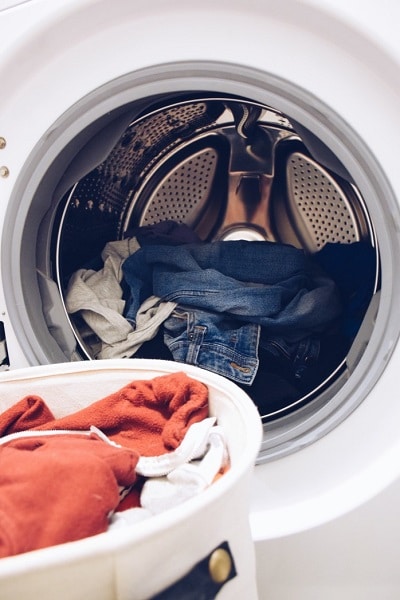
Most people believe that washing their clothes in hot water is the best way to clean them. However, washing your clothes in cold water can be just as effective, and it has the added benefit of being more energy-efficient. When you wash your clothes in hot water, your washing machine uses more energy to heat the water. In contrast, cold water requires very little energy to maintain its temperature. As a result, washing your clothes in cold water can save you significant money on your energy bills. In addition, cold water is gentler on your clothes, helping them last longer. So next time you do your laundry, consider using cold water instead of hot – your wallet and your wardrobe will thank you!