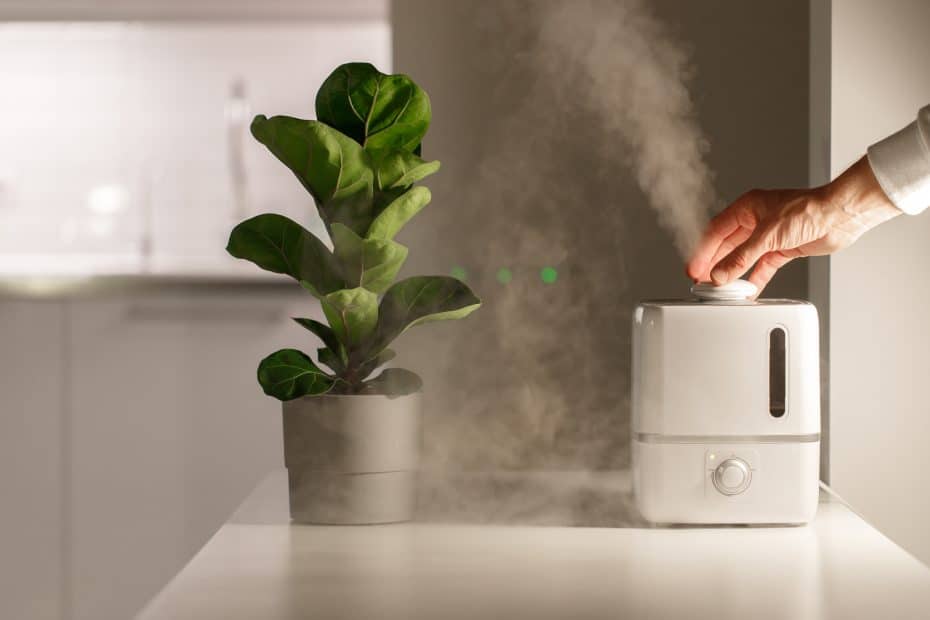
Breathing in clean, fresh air isn’t just a luxury; it’s a necessity for good health. Yet, many people overlook the importance of indoor air quality. Poor air quality can lead to a host of health issues, from minor irritations like allergies to more severe conditions such as asthma. The goal of this post is to walk you through different methods for maintaining better air quality in your home. You’ll learn about common pollutants, the importance of ventilation, the role of houseplants, and much more. So, let’s dive in and explore how you can make your home a sanctuary for clean air.
Contents
The Invisible Threats In Your Home

Indoor air pollution is a silent invader that can compromise your health. Pollutants like dust, pet dander, and volatile organic compounds (VOCs) are more common than you might think. These substances can accumulate over time, turning your home into a hotbed for health issues. Recognizing these pollutants is the first step in a multi-pronged approach to improving your indoor air quality.
And unfortunately, the health implications of poor air quality are far-reaching. Symptoms can range from minor irritations like itchy eyes and a runny nose to more severe conditions such as chronic respiratory diseases. Vulnerable populations like children and the elderly are particularly at risk. The stakes are high, making it imperative to act now to improve the air quality in your home.
Why Ventilation Matters

Proper ventilation is a cornerstone of healthy indoor air. It circulates fresh air, diluting the concentration of pollutants. Simple actions like opening windows or using exhaust fans in the kitchen and bathroom can make a significant difference. However, ventilation is not a silver bullet; it’s one part of a broader strategy to improve indoor air quality.
Poor ventilation can actually exacerbate air quality issues. In modern, energy-efficient homes, a lack of adequate ventilation can lead to a buildup of pollutants, making the air you breathe even more hazardous. Therefore, while good ventilation is essential, it should be complemented by other methods to effectively improve air quality.
Houseplants: Your Green Warriors
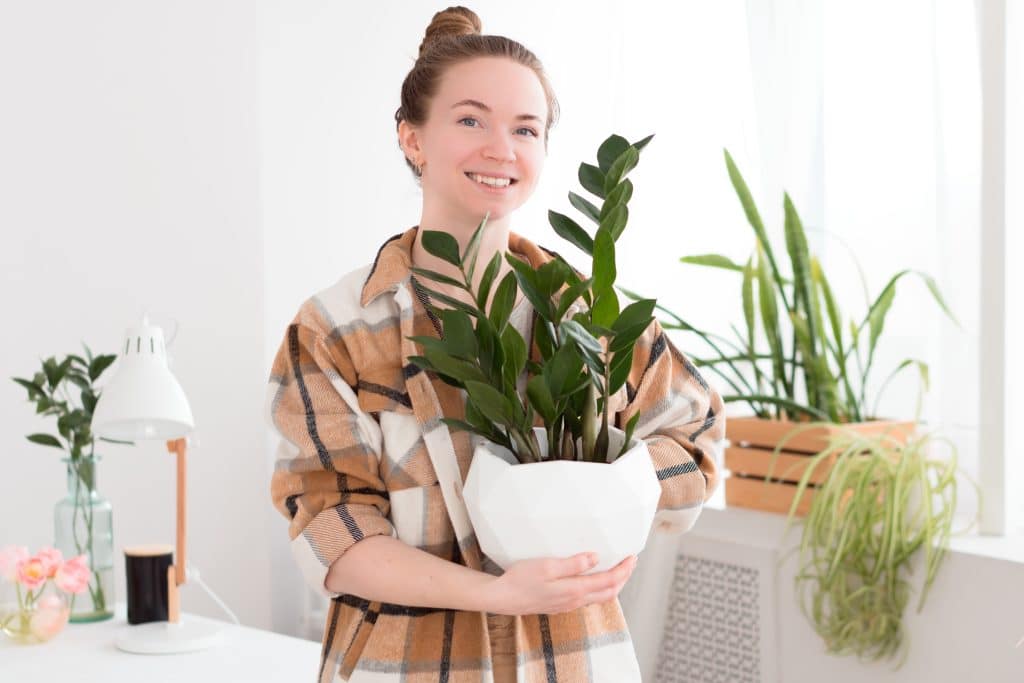
Houseplants offer more than just aesthetic value; they serve as natural air purifiers. Plants like the spider plant, snake plant, and peace lily are particularly effective at absorbing pollutants such as formaldehyde and benzene. They act as living air filters, making your home environment healthier. However, it’s important to manage expectations.
While houseplants contribute to better air quality, they are not a standalone solution. They should be viewed as a complementary measure to other air quality improvement methods like proper ventilation and regular cleaning. And while plants may be a relatively low-cost solution, their effectiveness depends on upkeep and maintenance. Watering, pruning, and fertilizing are all essential for keeping your plant friends healthy and performing at their best.
Air Purifiers: A Worthwhile Investment?
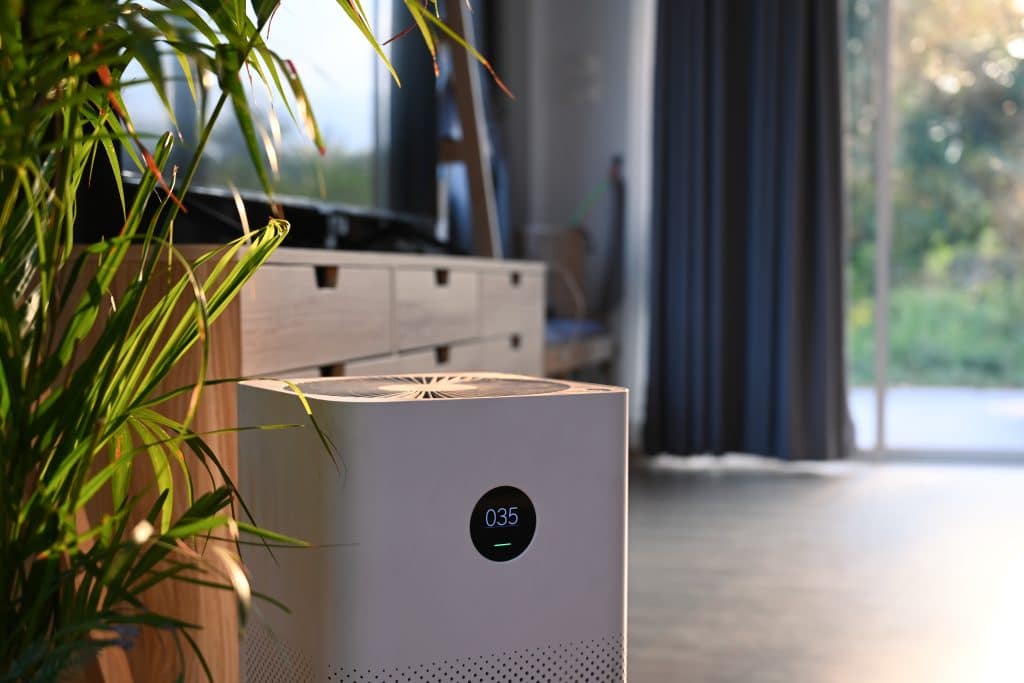
Air purifiers have gained popularity as a quick fix for improving indoor air quality. These devices work by drawing in air and passing it through filters that capture pollutants. They can be particularly effective in rooms with poor ventilation or in homes with allergy sufferers. However, choosing the right type of air purifier is crucial, as not all are equally effective.
While air purifiers can be a useful tool, they come with their own set of limitations. For instance, they can be expensive to purchase and maintain, as filters need to be replaced regularly. Additionally, they are generally effective only in the room where they are placed, meaning multiple units may be needed for larger homes. Therefore, while air purifiers can contribute to better air quality, they should be part of a broader strategy.