Contents
The Importance Of Humidity Control
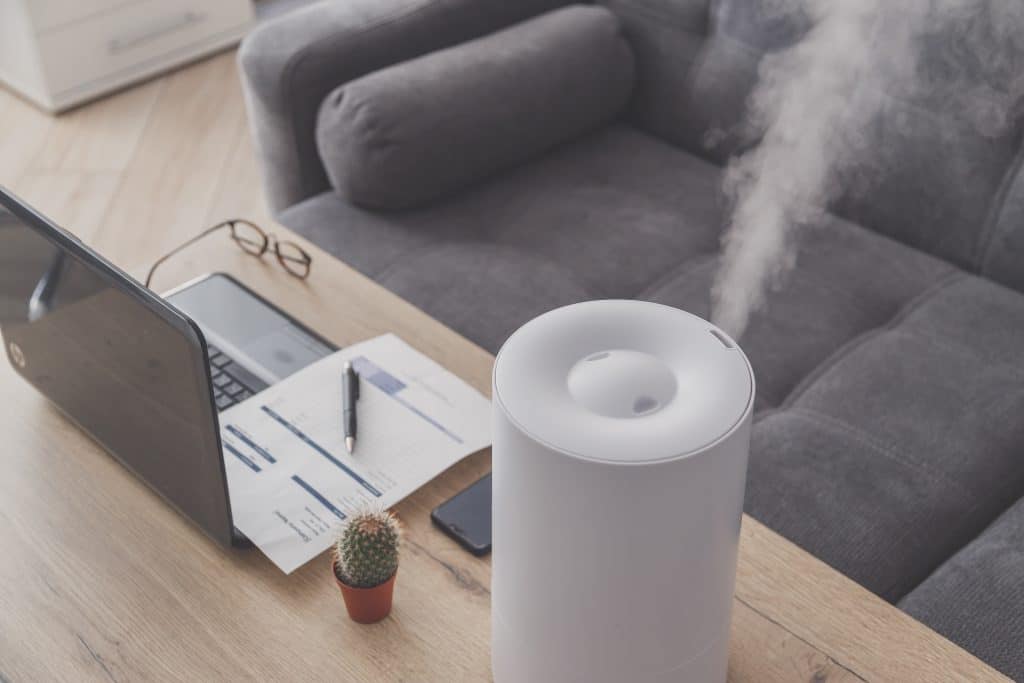
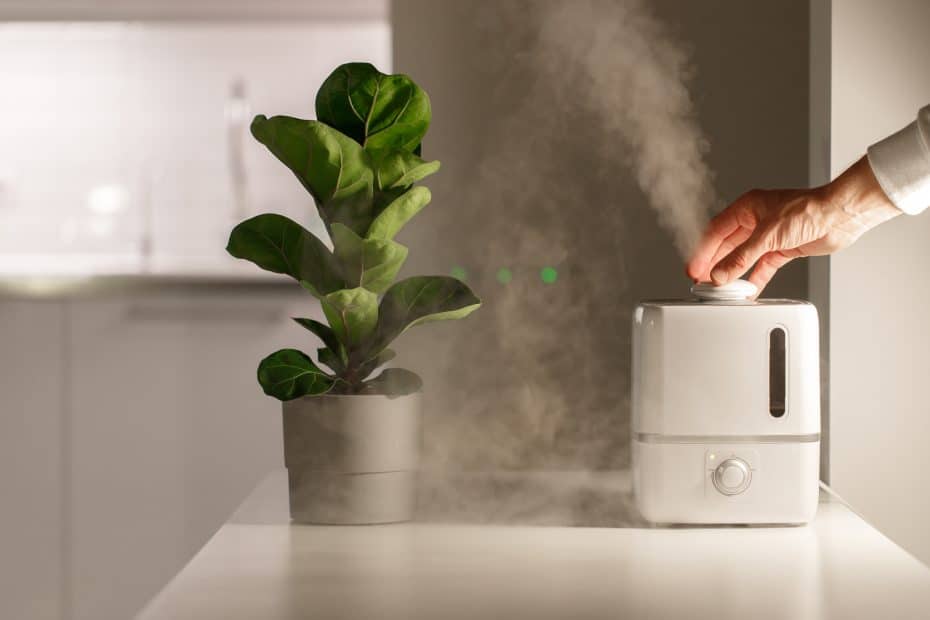
Humidity levels can significantly impact the quality of air in your home. Both too much and too little humidity can create problems. High humidity levels can lead to mold growth and increase the concentration of airborne pollutants, while low humidity can cause respiratory issues and skin irritation. Therefore, maintaining an optimal humidity level, generally between 30-50%, is crucial for good air quality.
To control humidity, consider using a humidifier or dehumidifier as needed. Additionally, simple actions like using exhaust fans in bathrooms and kitchens can help. Plants can also contribute to maintaining optimal humidity levels, making them a multi-functional asset in your quest for better air quality.
Regular Cleaning: More Than Just Aesthetics

Regular cleaning goes beyond making your home look nice; it’s a vital part of maintaining good air quality. Dusting, vacuuming, and mopping can significantly reduce the levels of pollutants. Pay special attention to areas that tend to accumulate dust, like carpets, upholstery, and electronic equipment.
When cleaning, opt for natural cleaning products over those laden with chemicals, as the latter can emit harmful VOCs into the air. Also, don’t underestimate the power of a good vacuum cleaner. Look for one with a HEPA filter, which can capture particles as small as 0.3 microns, effectively removing potential allergens from your living space.
Maintenance Checks: Your Air Quality Audit
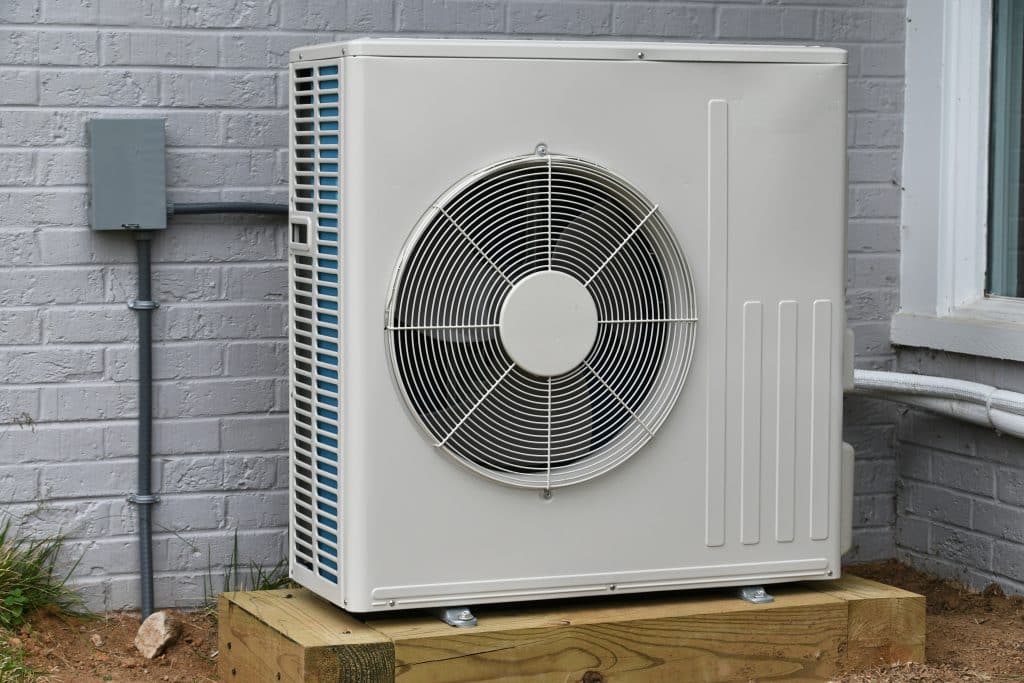
Regular maintenance checks on your HVAC system can go a long way in ensuring better air quality. Dirty filters can reduce the efficiency of your system and circulate pollutants throughout your home. Therefore, it’s advisable to change or clean these filters every 1-3 months, depending on usage.
If you’re serious about maintaining good air quality, consider investing in DIY air quality test kits. These kits can measure levels of pollutants like VOCs, particulate matter, and even radon. While not a substitute for professional evaluation, they can provide valuable insights into the state of your home’s air quality.
Future-Proofing Your Home

Smart home technologies are making it easier than ever to monitor and control air quality. Devices like smart thermostats and air quality monitors can provide real-time data, allowing you to make immediate adjustments. These technologies can be particularly useful for those with health conditions that make them more susceptible to air quality issues.
Long-term strategies for maintaining good air quality might include home renovations like installing better ventilation systems or using building materials that don’t emit VOCs. While these measures may require a significant investment, the benefits to your health and well-being can make it worthwhile.
The Path To Purer Air: Your Next Steps
You’ve taken the first step by educating yourself about the importance of indoor air quality. Now, it’s time to put that knowledge into action. Whether it’s through investing in an air purifier, adding a few houseplants, or simply opening a window for better ventilation, each action you take contributes to a healthier living environment. Don’t underestimate the power of incremental changes; they can add up to make a significant impact. So get started today and breathe easier in a home that’s not just a living space but a sanctuary for well-being!