
Contents
Protect To Perfection
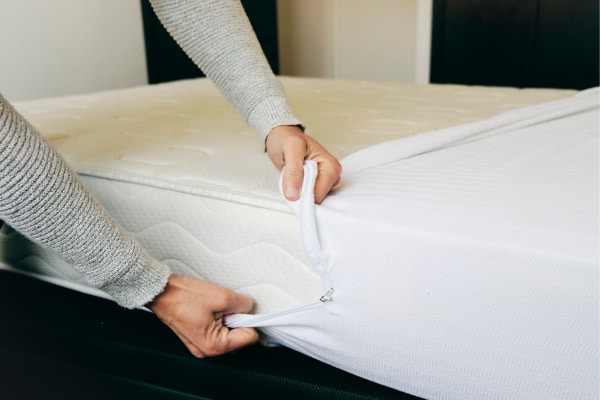
One of the most straightforward ways to keep your furniture looking new is to use protectors and covers. Slipcovers for sofas and chair pads for dining seats can act as a first line of defense against spills, stains, and wear. These covers are often machine-washable, making it easy to keep them—and, by extension, your furniture—clean. Furniture pads can also be placed under the legs of tables and chairs to prevent scratches on hardwood floors.
Another layer of protection comes in the form of waxes and polishes, particularly for wooden furniture. These products not only enhance the appearance of the wood but also create a protective layer against moisture and dust. Be sure to choose a product that is appropriate for the type of wood you have, and follow the application instructions carefully.
Mind The Environment
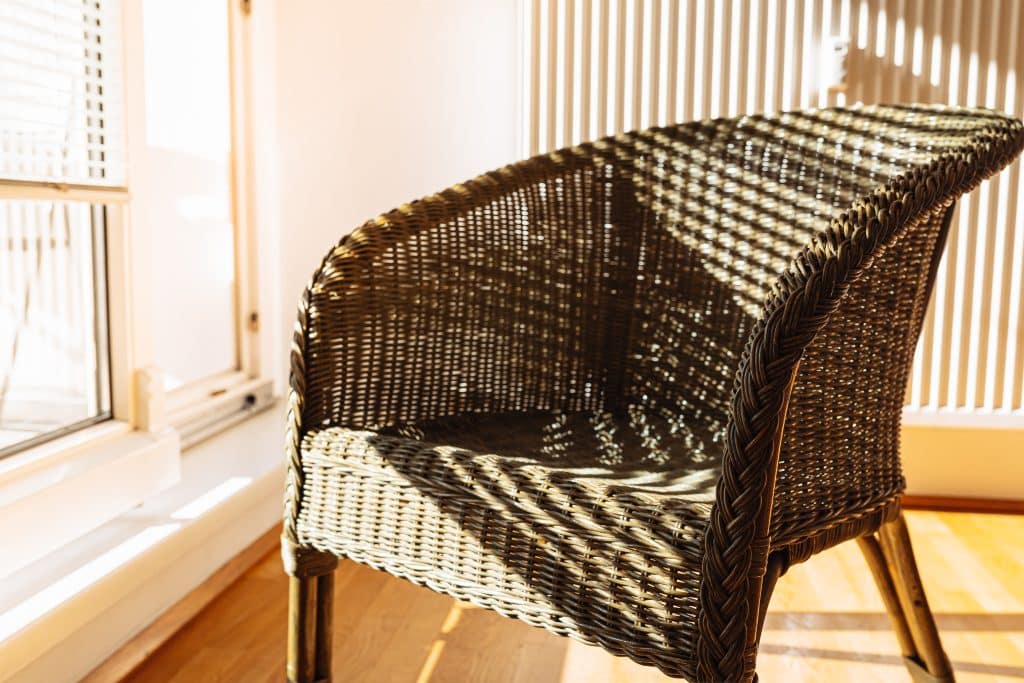
Believe it or not, the environment in which your furniture resides can significantly impact its longevity. Factors like humidity and temperature can affect different materials in various ways. For instance, wood can expand and contract with changes in humidity, leading to warping or cracking over time. Similarly, leather can dry out and crack if the air is too dry.
To maintain an optimal environment, consider using humidifiers or dehumidifiers as needed. Keep your furniture away from heating vents and direct sunlight to prevent drying and fading. Small changes in the placement of your furniture and the use of climate control can make a big difference in how your pieces age.
Pet-Proof Your Furniture
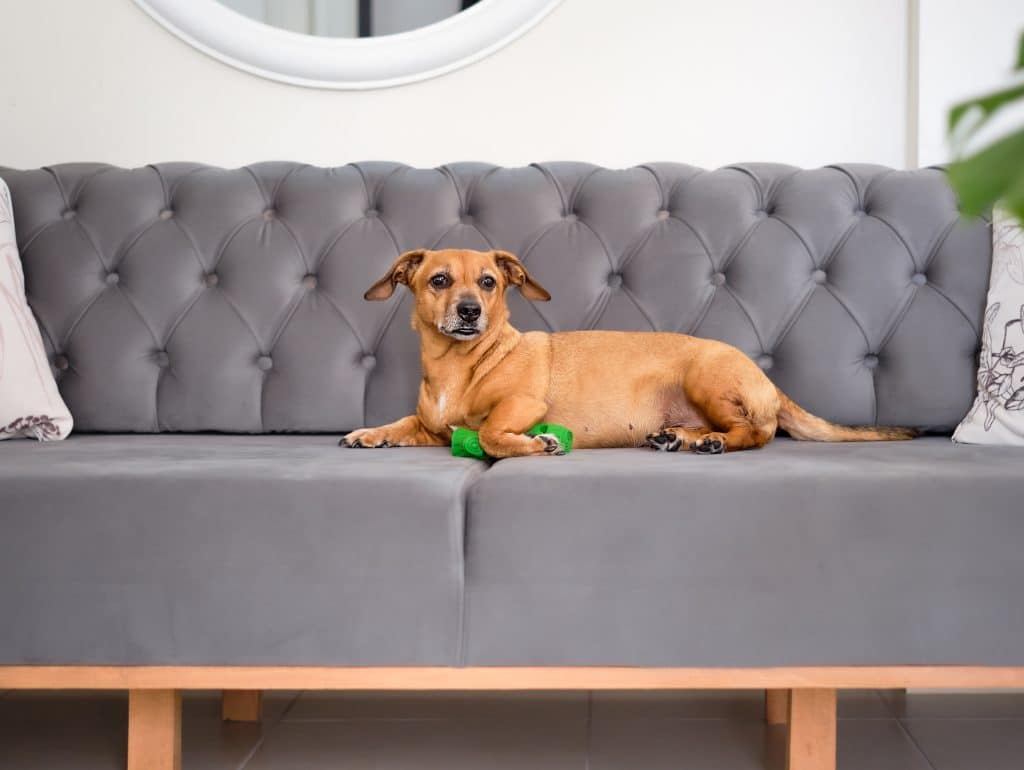
Pets bring joy and companionship, but they can also bring challenges when it comes to maintaining your furniture. From scratching posts disguised as your new sofa to the fur that seems magnetically attracted to your upholstery, pets can be tough on furniture. One solution is to invest in pet-friendly furniture made from materials that are resistant to scratching and easy to clean.
Another strategy is to use scratch guards on the corners of sofas and chairs, which can deter your pets from using them as their personal scratching posts. Providing alternative scratching posts and training your pets to use them can also go a long way in preserving the look of your furniture.
Regular Inspections And Quick Repairs

A stitch in time saves nine, and the same principle applies to furniture maintenance. Regular inspections can help you catch minor issues before they become major problems. Look for loose screws, wobbly legs, or any signs of wear and tear that could worsen over time. Addressing these issues promptly can prevent more significant damage and extend the life of your furniture.
When it comes to repairs, don’t procrastinate. Tighten any loose screws and patch up small holes or tears in the upholstery as soon as you notice them. For more significant issues, consult a professional. It’s better to invest in a small repair now than to pay for a replacement later.
Ensure Your Furniture Lasts A Lifetime!
You’ve invested time and money into choosing the perfect furniture for your home. Why not invest a little more effort into keeping it looking its best? From the materials you choose to the cleaning techniques you employ, every little bit counts. So, don’t wait for the first signs of wear and tear to take action. Start implementing these tips today, and your furniture will thank you by standing the test of time!