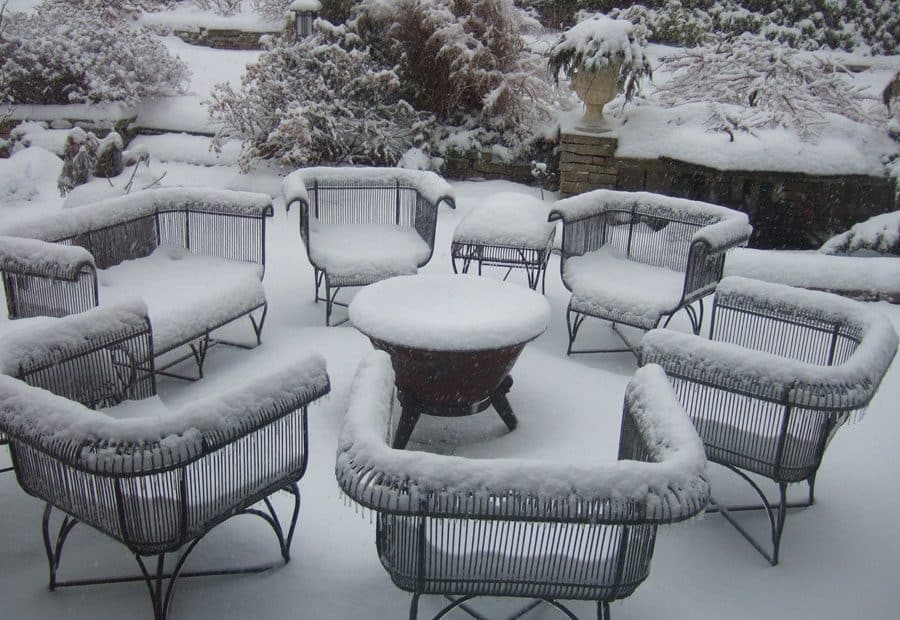
Outdoor furniture, while designed to withstand the elements, can suffer significant wear and tear during the harsh winter months. Snow, ice, and fluctuating temperatures can wreak havoc on various materials, leading to potential damage and reduced longevity. Properly preparing and protecting these pieces not only ensures their durability but also maintains their aesthetic appeal. By understanding the impact of winter and taking proactive steps, homeowners can enjoy their outdoor furniture for many seasons to come.
Understanding the Impact of Winter on Furniture

Winter presents a unique set of challenges for outdoor furniture. The constant freeze-thaw cycles can cause materials to contract and expand, leading to potential cracks or structural weaknesses. Snow and ice, when left to accumulate, can seep into tiny crevices, causing further damage upon melting. Moreover, the weight of heavy snow can strain the structural integrity of furniture, especially if it’s not designed to bear such loads.
Choosing the Right Furniture Covers

One of the most effective ways to protect outdoor furniture during winter is by using covers. However, not all covers are created equal. It’s essential to select water-resistant covers that prevent moisture from seeping through yet are breathable to avoid condensation buildup underneath. Additionally, the cover should fit snugly around the furniture, ensuring no parts are exposed. Securing the cover with ties or weights can prevent it from being blown away by strong winter winds.
Cleaning Before Storing

Before packing away or covering furniture for the winter, a thorough cleaning is crucial. Dirt, debris, and organic matter left on furniture can become breeding grounds for mold and mildew, especially under a cover. Using a mild detergent and water, scrub the surfaces of each piece, paying special attention to crevices and joints. After cleaning, it’s vital to let the furniture dry completely, as trapped moisture can lead to rot or rust, depending on the material.
Storing Cushions and Fabric Items Indoors
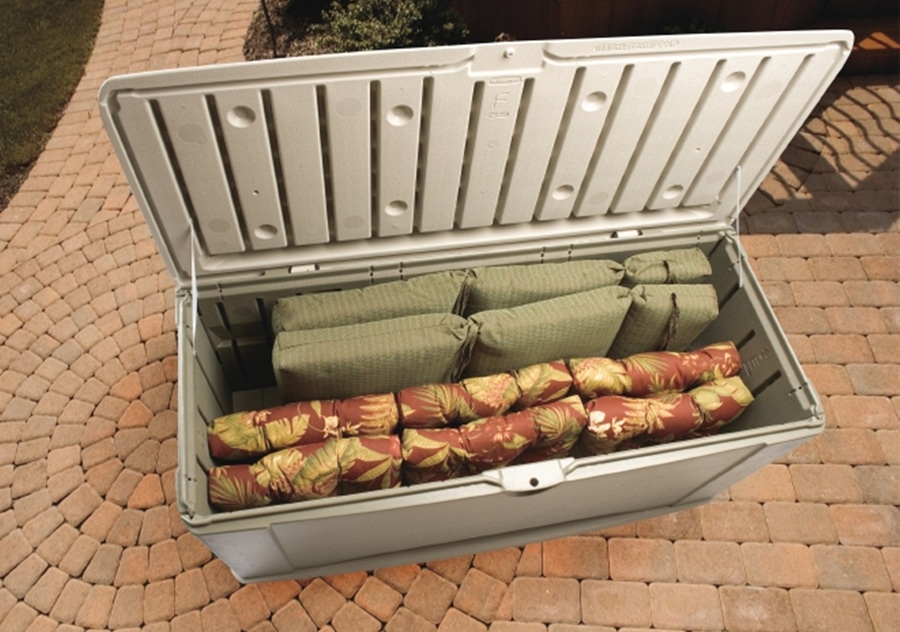
Cushions, pillows, and other fabric items are particularly vulnerable to winter’s harsh conditions. These items can easily absorb moisture, leading to mold growth, color fading, and fabric deterioration. To prevent these issues, it’s advisable to store all fabric items indoors during the colder months. When storing, ensure they are clean and dry, placing them in a cool, dry place, preferably in breathable storage bags, to maintain their shape and prevent any potential mold growth.
Metal furniture, while robust and often rust-resistant, is not immune to the effects of winter. Prolonged exposure to moisture can lead to rusting, especially in joints or areas where the protective coating might have worn off. Before winter sets in, it’s essential to clean metal furniture thoroughly and check for any signs of rust. If rust spots are found, they should be treated and sealed to prevent further corrosion. Applying a protective coating or rust inhibitor can also offer an added layer of protection against winter’s challenges.