
Ignoring Curb Appeal
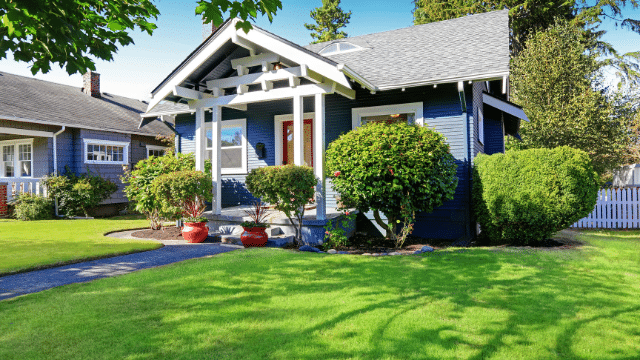
The exterior of a home is its first impression, setting the tone for what’s inside. Despite its importance, curb appeal is often overlooked, with homeowners focusing predominantly on interior design. Overgrown gardens, peeling paint, or mismatched exterior elements can detract from a home’s beauty and even affect its market value. A well-maintained facade reflects pride of ownership and adds character to the property.
It’s not just about aesthetics; a neglected exterior can also lead to functional issues. For instance, unchecked plant growth can encroach on pathways or damage the home’s foundation. Regular maintenance, combined with thoughtful landscaping and design choices, can ensure that a home’s exterior is as inviting and impressive as its interior.
Form Over Function
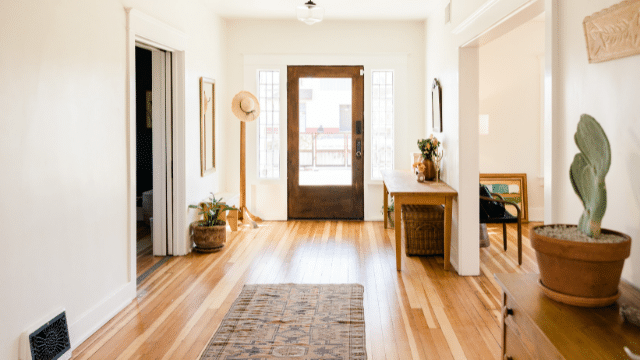
While aesthetics are undeniably important in home design, they shouldn’t come at the expense of functionality. Yet, many homeowners get swayed by design trends, incorporating elements that look good but compromise on practicality. For instance, a beautiful but deep-set sink might look appealing but can be a nightmare to clean. Similarly, high shelves or storage spaces, while adding a design element, might be inaccessible without a ladder, rendering them impractical for daily use.
Another common oversight is opting for furniture based solely on its design appeal without considering comfort. A stylish sofa that’s uncomfortable serves little purpose in a living room meant for relaxation. Home design should strike a balance between form and function, ensuring that spaces are not only beautiful but also cater to the practical needs of its inhabitants.
Lack Of Future-Proofing

Homes are long-term investments, and their design should reflect the present and anticipate future needs. However, many homeowners design for the ‘now,’ neglecting to consider how their needs might evolve over time. For instance, a couple might design a home without considering the possibility of a family in the future, leading to space constraints when children arrive. Similarly, not planning for potential mobility issues in older age can result in homes that are difficult to navigate later in life.
In the age of technology, future-proofing also means accommodating advancements. Ignoring provisions for smart home integrations or not setting up spaces that can adapt to evolving tech trends can quickly make a home feel outdated. It’s essential to design with foresight, ensuring that homes remain functional and relevant over the years.
Ignoring Eco-Friendly Designs
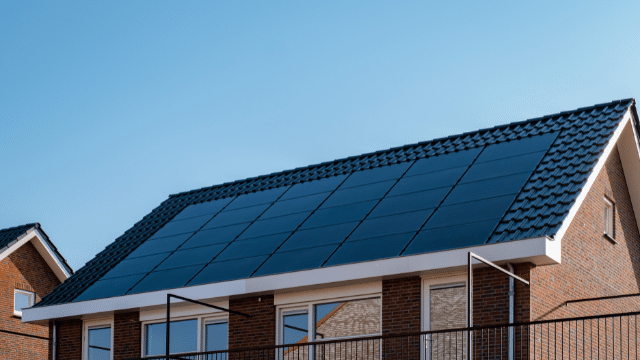
As global awareness about environmental issues grows, the importance of eco-friendly home designs becomes more evident. Sustainable living is not just a trend but a necessity, and homes should reflect this ethos. Yet, many homeowners overlook the environmental impact of their design choices. Using non-sustainable building materials or not incorporating energy-efficient appliances can increase a home’s carbon footprint and lead to higher utility bills.
Moreover, a lack of insulation, both thermal and acoustic, can result in homes that are energy-inefficient and noisy. Simple design choices, like positioning homes to maximize passive solar heating or using green roofing options, can make a significant difference. It’s crucial for homeowners to recognize the long-term benefits of eco-friendly designs both for the environment and their wallets and incorporate them into their homes.
Lack Of Personal Touch

A house becomes a home when it resonates with the personalities of its inhabitants. While design trends and professional advice can provide direction, it’s essential for homeowners to infuse their spaces with personal touches. However, in the race to create picture-perfect homes, many end up with spaces that feel impersonal and sterile. Relying too heavily on current trends without incorporating personal memories or cherished items can make a home feel more like a showroom than a sanctuary.
Every individual or family has a unique story, and their home should reflect that. Whether it’s through family heirlooms, personal artworks, or even a particular color palette, these personal touches add warmth and character. A well-designed home should not only be aesthetically pleasing and functional but also a reflection of the people who live in it.
Avoid These Home Design Mistakes!
Home design is a delicate balance of aesthetics, functionality, sustainability, and personalization. While trends come and go, the essence of a home remains rooted in its ability to offer comfort, reflect individuality, and adapt to changing needs. The common design mistakes highlighted serve as a reminder that while seeking inspiration is valuable, it’s equally crucial to be mindful of practicality and personal preferences. After all, the best homes are not just beautiful showcases but spaces where memories are made, lives are lived, and stories unfold!
