
Coffee Grounds

Using coffee grounds as a de-icing alternative may sound unconventional but it is surprisingly effective. Coffee grounds offer traction on icy surfaces and contain acids that can help melt ice. The environmental impact is minimal, as this waste product from coffee shops gets repurposed instead of ending up in landfills.
Cost-wise, coffee grounds can be an economical option, especially for personal use. Local coffee shops often give away used grounds for free, reducing the out-of-pocket expense for homeowners. While it may not be feasible for municipal applications due to the volume required, it offers a valuable solution for small-scale needs like driveways and walkways.
Sand

The sand acts differently from other de-icing agents; it does not melt the ice but provides traction to prevent slipping. While it doesn’t resolve the problem of ice formation, it can make icy surfaces more manageable and less dangerous. The environmental impact of sand is minimal, as it is a natural material that poses little risk to flora and fauna.
The cost-effectiveness of sand as a de-icing alternative is highly appealing. Sand is readily available and inexpensive, making it a popular choice. Additionally, it can be swept up and reused, offering a sustainable option for those looking to minimize waste.
Alfalfa Meal

Alfalfa meal is generally used as animal feed, but its composition makes it an effective de-icer. Rich in nitrogen, it helps to melt ice quickly. Its dark color also absorbs more sunlight, facilitating faster melting. Regarding environmental impact, alfalfa meal is organic and biodegradable, making it less environmentally harmful than traditional methods.
The cost of alfalfa meal is relatively higher than other alternatives like sand, but its effectiveness makes it a worthy consideration. It’s also readily available at pet or farm supply stores, making it an accessible option. Its unique combination of fast-action and low environmental impact makes it an exciting alternative to explore.
Calcium Magnesium Acetate (CMA)
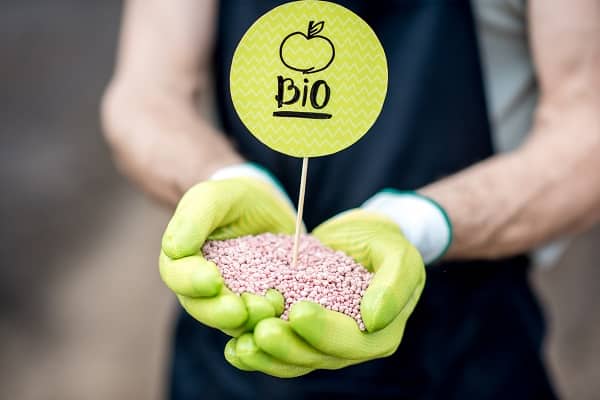
Calcium Magnesium Acetate (CMA) is a synthetic de-icer but poses a lesser environmental risk than conventional de-icing chemicals. It is biodegradable and less corrosive, reducing its negative impact on cars and infrastructure. Its effectiveness in melting ice is comparable to salt’s, making it a practical choice.
However, the cost factor is a significant drawback for CMA. It is more expensive than most other alternatives and traditional de-icing methods. Despite the higher cost, its balanced effectiveness and lesser environmental impact make it an alternative worth considering, particularly for municipalities prioritizing eco-friendly solutions.
The Bottom Line
Winter’s icy challenges are undeniable, but the solutions need not be environmentally harmful or costly. Each alternative has unique advantages and limitations, from the sweetness of beet juice to the earthy practicality of coffee grounds. While some are better suited for large-scale municipal use, others are perfect for the homeowner who wants to keep their driveway safe without harming Mother Earth. The urgency to adopt environmentally friendly practices in every aspect of life, including something as routine as de-icing, is a call to action for everyone.
