

Yew Tree
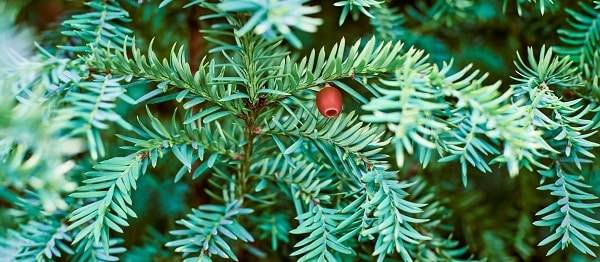
Widely revered for its evergreen beauty and often used in ornamental landscaping, the Yew tree poses a silent threat. Almost all parts of the Yew tree, especially the berries and needles, contain compounds that can be fatally toxic to pets if consumed. Immediate symptoms include trembling, difficulty breathing, and cardiac failure, which can be swift and severe.
Given the deadly nature of the Yew tree, it is advisable for pet owners to avoid planting or keeping them in areas where pets play or roam. If one is already present in the vicinity, creating a barrier or fenced area around the tree can act as a safeguard against any unwanted accidents. Regular monitoring and ensuring no part of the tree is ingested by pets is of paramount importance.
Oak Tree

Majestic Oak Trees, with their sturdy trunks and expansive canopies, are a common sight in many landscapes. Yet, for all their grandeur, they bear a potential threat to pets in the form of their acorns and leaves. These contain tannic acid, which can lead to kidney damage, vomiting, diarrhea, and lethargy when ingested by animals, particularly dogs.
To mitigate risks, pet owners should be vigilant during the fall season or after strong winds when acorns are most likely to be scattered on the ground. Regularly clearing acorns and ensuring that pets do not have the opportunity to consume them can make a significant difference in ensuring their well-being.
Oleander

Oleander, with its lovely pink or white flowers, often beautifies gardens and roadsides, especially in warmer climates. However, beauty here is deceptive. Every part of the Oleander plant is incredibly toxic to pets. When ingested, it can lead to symptoms like vomiting, decreased heart rate, and even death due to the cardiac glycosides it contains.
Awareness and prevention play key roles in keeping pets safe from Oleander toxicity. It’s crucial to supervise pets when they are near these plants and ensure they don’t nibble on any part of the Oleander. Additionally, opting for pet-friendly alternatives when landscaping can make outdoor spaces safer for animals.
Horse Chestnut

Often recognized by its palmate leaves and spiky green fruits, which contain shiny brown seeds, the Horse Chestnut is a common sight in parks and along streets. These seeds, colloquially known as “conkers,” hold a potential threat for pets. If ingested, they can lead to a variety of symptoms ranging from vomiting and abdominal discomfort to more severe reactions like muscle twitching and even paralysis.
For those living in areas where the Horse Chestnut tree is prevalent, it’s pivotal to be aware of the risks, especially during the fall when the seeds drop. Pet owners should ensure that their pets don’t consume or play with these seeds. A routine check-in gardens or during walks, particularly in the autumn months, can help avoid any unnecessary harm to pets.
The Bottom Line
Nature is a medley of beauty and dangers, and while many trees offer shade and aesthetic value, they can also present hidden threats to beloved pets. Knowledge of these dangers and proactive measures can prevent unwarranted tragedies. Pet owners are advised to familiarize themselves with the local flora and regularly inspect their surroundings to provide a safe environment for their companions, ensuring harmonious coexistence with nature.