

Choosing the right carpet for your home goes beyond aesthetics. While a plush, soft carpet might feel wonderful underfoot, it might not be the best choice for high-traffic areas or homes with pets. Similarly, while a bargain carpet might seem like a great deal initially, it could end up costing more in the long run due to replacement or maintenance costs. In this guide, you’ll dive into some common carpeting choices homeowners might regret and provide insights into making a more informed decision.
The Allure Of Cheap Carpets
It’s easy to understand the appeal of budget-friendly carpeting options. After all, home renovations or decorations can be expensive, and saving on flooring might seem like a smart move. However, the initial savings might be deceptive. Cheap carpets often wear out faster, show stains more prominently, and can feel less comfortable underfoot.
Moreover, inexpensive carpets might not offer the same level of insulation or soundproofing as their pricier counterparts. This could lead to increased heating bills in the winter or more noise transmission between rooms. Over time, the costs of replacing or frequently cleaning a cheap carpet might outweigh the initial savings, making it a less economical choice in the long run.
Synthetic Fibers: Not Always The Best Choice

Synthetic carpets, made from materials like polyester and olefin, are popular due to their resistance to stains and affordability. At first glance, they might seem like the perfect choice for busy households or those on a budget. However, these synthetic fibers have their drawbacks. For one, they can be less resilient than natural fibers, leading to matting and crushing in high-traffic areas.
Additionally, while synthetic carpets might resist certain stains, they can be prone to oil-based stains, which can be challenging to remove. Some homeowners also find that synthetic carpets can have a shinier, less natural appearance, which might not be to everyone’s taste. While they have their place in the market, it’s essential to weigh the pros and cons before opting for a synthetic carpet.
Carpets With Low Pile Density

Pile density refers to the amount and closeness of the yarns in a carpet. A carpet with a high pile density is plush and durable, while one with a low pile density might feel thinner and less luxurious. Carpets with low pile density can show signs of wear and tear much faster, especially in areas with a lot of foot traffic.
Furthermore, these carpets can be harder to clean effectively. Dirt and debris can penetrate deeper into the carpet, leading to potential damage to the carpet’s base. Over time, this can cause the carpet to lose its shape, look worn out, and even lead to the need for premature replacement. When choosing a carpet, it’s crucial to consider pile density as an indicator of its longevity and feel.
Light-Colored Carpets In High Traffic Areas
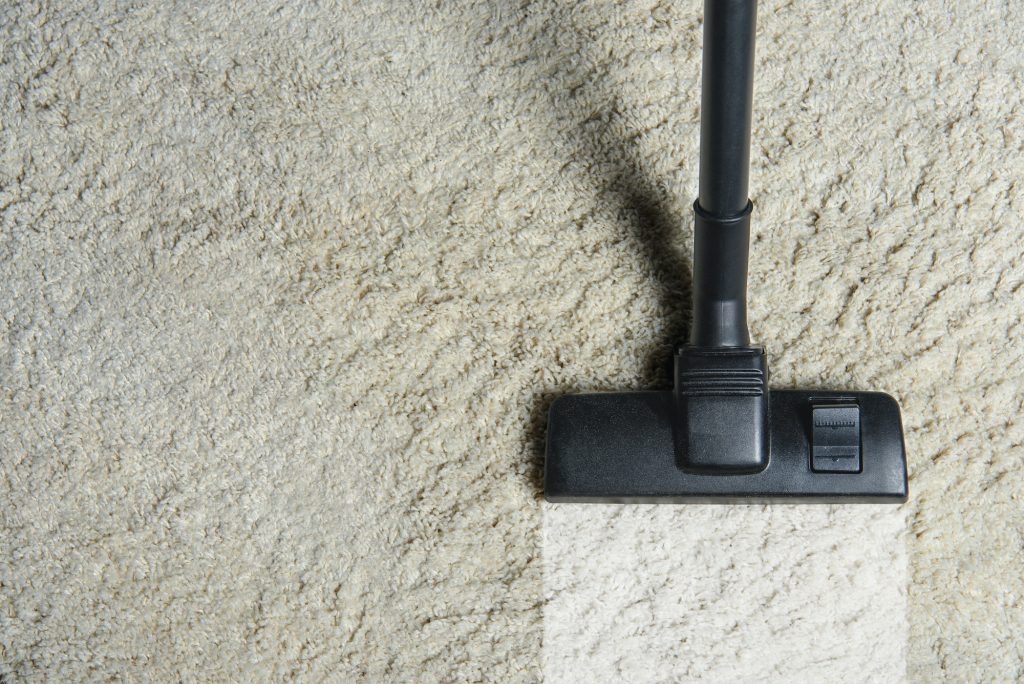
With their pristine and airy appearance, light-colored carpets can significantly brighten up a room, making spaces seem larger and more inviting. They can be especially appealing for homeowners aiming for a minimalist or Scandinavian design. However, the challenge arises when these carpets are placed in high-traffic areas. Stains, dirt, and footprints become more noticeable, requiring frequent cleaning to maintain their appearance.
Moreover, the constant need for cleaning can wear out a light-colored carpet faster than darker alternatives. Cleaning agents, even if they’re gentle, can cause wear and tear over time. Additionally, some stains might prove stubborn on light-colored fabrics, leading to permanent discoloration. While they’re undeniably beautiful, light-colored carpets demand careful consideration regarding placement in the home.