

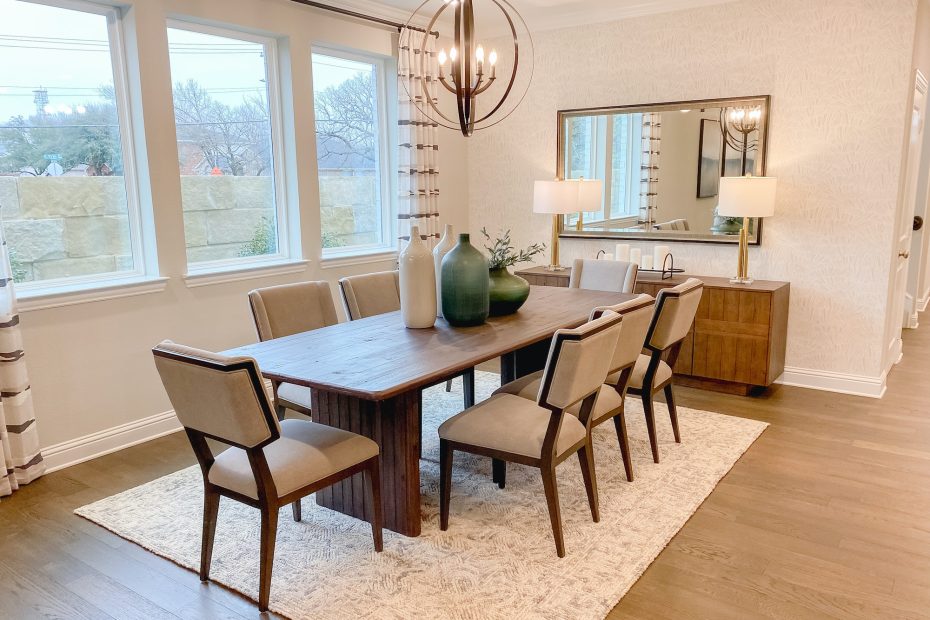
The dining room, often considered the heart of a home, serves as a gathering spot for families and friends, a place where memories are made over shared meals. Over the years, dining room designs have evolved, reflecting changing lifestyles, trends, and individual tastes. Today, the variety of designs available is vast, each offering a unique ambiance and experience. In this post, you’ll get a look at some of these unique designs, exploring their characteristics and the feelings they evoke.
The Minimalist Dining Room

At its core, minimalism is about simplicity, functionality, and creating a sense of tranquility. The minimalist dining room is no exception. With clean lines, a neutral color palette, and an emphasis on functionality over form, this design is perfect for those who seek clarity and calmness in their living spaces. The absence of clutter and the deliberate choice of furniture and decor create a space that is both aesthetically pleasing and practical.
The benefits of a minimalist dining room extend beyond its visual appeal. Such a space can make the dining experience more focused, allowing individuals to truly savor their meals and the company they’re with. Moreover, a minimalist design can make a room feel larger, providing a sense of openness. For those looking to achieve this look, start with decluttering, choose a neutral color palette, and invest in quality over quantity when it comes to furniture and decor.
The Rustic Retreat
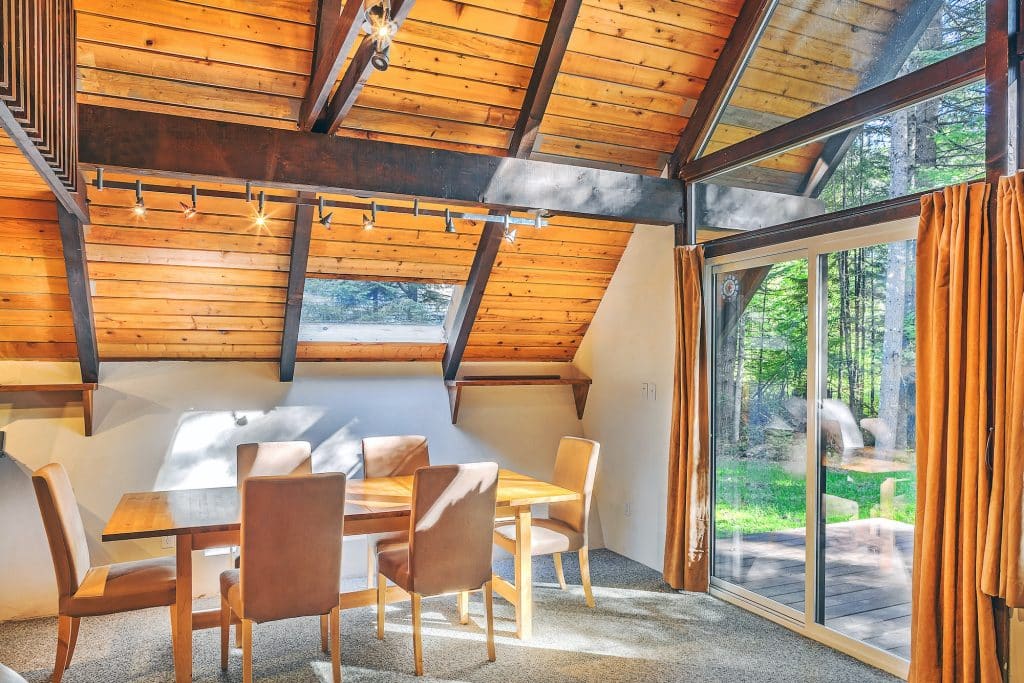
There’s a certain charm and warmth that rustic designs bring to a home. The rustic dining room, characterized by its use of natural materials like wood and stone, evokes feelings of coziness and nostalgia. Vintage furniture pieces, often with a worn or weathered look, add to the authenticity of the design. Earthy tones, from deep browns to muted greens, further enhance the natural ambiance of the space.
Incorporating modern elements into a rustic design can create a beautiful juxtaposition. For instance, a rustic wooden table paired with sleek, modern chairs can offer a fresh take on this classic design. Lighting also plays a crucial role; consider pendant lights or a chandelier made of antlers or reclaimed wood. The key is to strike a balance, ensuring the room feels both timeless and contemporary.
Industrial Chic

Industrial design is all about celebrating the raw and the unfinished. An industrial chic dining room might feature exposed brick walls, visible beams, and metal fixtures, all of which give the space a rugged yet sophisticated look. The beauty of this design lies in its honesty; it doesn’t hide the bones of a space but rather showcases them, turning structural elements into focal points.
While the foundation of an industrial design is raw and edgy, it doesn’t mean the space can’t be cozy. Softening the room with plush rugs, cushions, and warm lighting can make a significant difference. Additionally, introducing elements like reclaimed wood tables or leather chairs can add a touch of elegance. The result is a dining room that feels both urban and inviting, a place where modern living meets historical charm.
Bohemian Rhapsody

The bohemian style is for the free-spirited, those who love to mix and match and aren’t afraid to break the rules. A bohemian dining room is a riot of colors, patterns, and textures. From vibrant rugs to mismatched chairs, every piece tells a story. Vintage and global-inspired pieces, such as Moroccan lanterns or Indian tapestries, can add depth and character to the space.
Layering is a hallmark of the bohemian style. Think of layered textiles like throws, cushions, and curtains, each with its unique pattern and texture. Plants, too, play a vital role in this design, bringing in a touch of nature and adding to the room’s relaxed and artistic vibe. The key to a successful bohemian dining room is to let your creativity run wild while ensuring the space remains cohesive and harmonious.