
Dust buildup seems unavoidable, no matter how often the vacuum runs or how many times surfaces get wiped down. While it’s easy to blame open windows or a neglected air filter, the truth is that dust has a sneaky way of making itself at home. It hides in everyday habits, forgotten corners, and even in cleaning tools meant to remove it. What’s more surprising is how many of these culprits fly completely under the radar. Understanding where dust really comes from—and how it spreads—is the first step to taking back control of the air and surfaces in any space.
Contents
- 1 Your Vacuum Might Be Making It Worse
- 2 Carpets and Rugs Trap More Than Just Dirt
- 3 Your Windows Aren’t As Closed As You Think
- 4 The HVAC System Could Be Blowing It Around
- 5 Fabric Overload: Curtains, Cushions, and Bedding
- 6 Pets Are Adorable… and Dust Magnets
- 7 Your Cleaning Routine Might Be Backfiring
- 8 Outdoor Elements Sneak In On You
- 9 Breathe Easy Again: Outsmart the Dust Cycle
Your Vacuum Might Be Making It Worse

Vacuuming is usually the go-to method for tackling dust, but not all vacuums are doing the job well. Older or low-end models often lack proper filtration systems, especially high-efficiency particulate air (HEPA) filters. Without that feature, vacuums may expel fine dust particles into the air as they clean. When emptied indoors, even bagless models can send a cloud of invisible debris back into circulation. What feels like cleaning could just be redistributing the thing you’re trying to remove.
If the vacuum gives off a smell or releases a puff of air when used, chances are it’s not trapping everything. Regular maintenance is key—filters should be replaced often, and dust bins should be emptied outside. Attachments for furniture and corners matter, too, since neglecting those areas keeps dust in circulation. When the machine becomes a source of pollution, it’s time for an upgrade or a proper cleaning. An effective vacuum should leave the air fresher, not dustier.
Carpets and Rugs Trap More Than Just Dirt

Carpets act like massive dust sponges, absorbing everything from pet dander and crumbs to skin cells and textile fibers. With every step, the pressure pushes those particles deeper, where even a vacuum can’t always reach. Area rugs on the carpet can worsen the issue, trapping dust between layers and beneath edges. It doesn’t help that vacuuming alone rarely removes what’s deeply embedded in the fibers. Over time, carpets stop looking dusty but still hold onto what’s invisible.
Even shaking out rugs outdoors, especially with dense fabrics or older materials, won’t get everything out. Professional cleaning or steam cleaning can reduce the load, but only temporarily. Homes with hardwood, tile, or laminate flooring tend to stay noticeably less dusty with regular sweeping and mopping. Swapping out high-pile carpets for low-pile versions or hard floors makes a long-term difference. It also eliminates the constant reintroduction of dust through foot traffic and daily activity.
Your Windows Aren’t As Closed As You Think

It’s easy to assume that if windows are shut, outside dust stays out—but that’s rarely true. Tiny cracks in the window frame or sealant allow microscopic particles to drift inside. Even double-pane or energy-efficient windows aren’t immune if the seals are worn or compromised. Windy days can funnel in dust through the tiniest gaps, creating a trail along windowsills and floors without a noticeable draft. Over time, this dust builds up quietly and persistently.
Window tracks and screens also collect a surprising amount of grime, which gets blown in with even slight breezes. Most people clean the glass but ignore the frames, seals, and tracks, leaving dust to pile around those overlooked zones. Weather stripping and caulking can help close those gaps and prevent future buildup. The key is shutting windows and sealing them against the outdoors. This reduces the dust that drifts in with every gust of air.
The HVAC System Could Be Blowing It Around
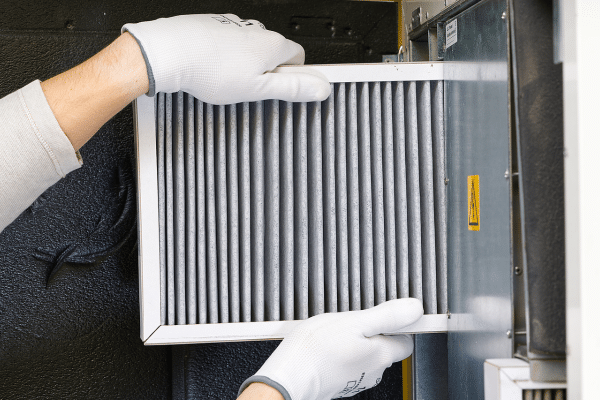
Heating and cooling systems do more than adjust the temperature—they move air and dust. When air ducts are filled with debris, they spread dust through every vent in the home. Filters are supposed to catch these particles, but not all filters are created equal. Thin or clogged filters fail to trap fine dust, letting it float back into living spaces. Even high-quality filters need regular replacing to work efficiently.
Vents often get overlooked during cleaning, but they can build up layers of grime that blow into the room every time the system kicks on. Dust settles around the vent covers and inside the ducts, becoming part of a never-ending cycle. Scheduling regular duct cleaning and upgrading to HEPA-rated filters can significantly reduce airborne dust. Airflow is essential for comfort, but not at the cost of clean indoor air. A dusty HVAC system means a dusty house every time.
Fabric Overload: Curtains, Cushions, and Bedding

Textiles throughout the home collect and release dust far more than most realize. Heavy curtains, plush throw pillows, and decorative blankets often go weeks—or months—without a proper wash. As air moves through the house, it stirs up these settled particles and scatters them across furniture and floors. What feels like cozy decor can quietly contribute to an ongoing dust storm. Every soft surface adds to the invisible load in the air.
In bedrooms, bedding becomes a hotspot. Dead skin, hair, and fabric fibers build up faster than expected, especially on sheets and duvets. Regular laundering helps, but forgotten pieces like headboards or bed skirts often go untouched. Window treatments are another major offender—most people rarely wash them, yet they sit in airflow paths daily. Simplifying fabric-heavy decor or choosing washable materials makes dust management far easier in the long run.
Pets Are Adorable… and Dust Magnets

Pets bring more than companionship—they carry dust on their paws, fur, and noses. Animals contribute a constant stream of particles to the household air between shedding, rolling around, and tracking in debris. Pet dander is especially persistent, floating through the air and settling on every available surface. Even with frequent grooming, pets are natural dust producers in ways that are hard to fully eliminate.
Pet beds, blankets, and toys also trap layers of dust, especially in corners or under furniture. These items get used daily but cleaned infrequently, making them silent contributors to dust buildup. Frequent vacuuming in pet zones, washing their bedding, and brushing them outdoors can all help reduce what gets spread around. While pets are family, they come with a cloud of tiny extras that cling to every corner they touch.
Your Cleaning Routine Might Be Backfiring
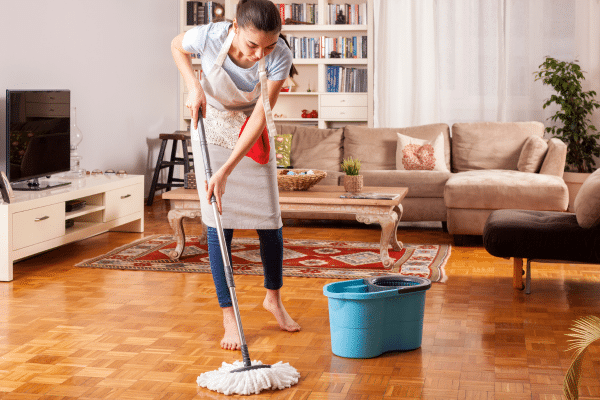
Sometimes, how a home gets cleaned makes things worse without anyone realizing it. Dry dusting with a cloth or feather duster often moves dust around rather than picking it up. The particles that don’t settle again quickly become airborne and drift to other areas of the house. Microfiber cloths or damp wipes do a much better job of trapping and removing dust entirely—the tools and order of cleaning matter more than most think.
Vacuuming before dusting also causes problems, sending particles into the air before surfaces are wiped clean. Baseboards, ceiling fans, blinds, and under furniture often get skipped, allowing dust to gather out of sight. A top-down cleaning method—starting with higher surfaces and working downward—reduces dust redistribution. Rethinking the sequence and methods of regular chores can quickly lead to cleaner air and less visible buildup everywhere.
Outdoor Elements Sneak In On You
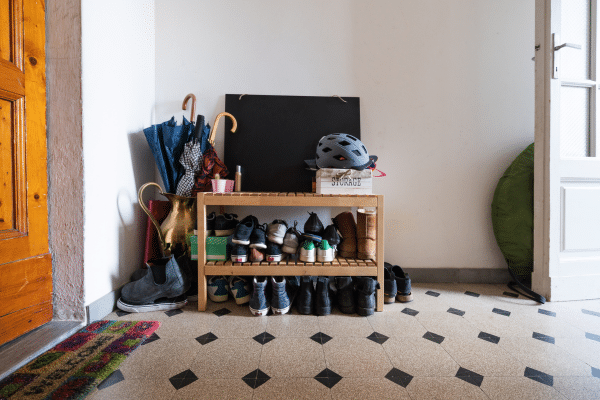
Shoes may be the biggest sneaky source of indoor dust. They track in soil, pollen, and debris from sidewalks, streets, and yards, depositing particles all over floors. That trail builds up quietly, especially in entryways and high-traffic areas. Leaving shoes at the door or using indoor-only footwear can significantly reduce what gets dragged inside without a second thought.
Open windows, even briefly, invite in more than fresh air. Windy days stir up pollen, construction dust, and other fine particles that easily slip through screens. Ceiling fans and portable fans only circulate those particles throughout the home. Opening windows early in the day or after rainfall reduces dust exposure. It’s not just what’s inside the house that matters—what gets carried in plays a major role, too.
Breathe Easy Again: Outsmart the Dust Cycle
It’s not always the obvious culprit creating dust problems at home. More often, a combination of unnoticed habits, neglected areas, and outdated cleaning tools keeps the dust coming back. From carpets that hold decades of debris to windows that aren’t quite sealed, indoor dust sources often hide in plain sight. Shifting small routines—like using better filters, washing overlooked fabrics, and keeping pet areas cleaner—can make a dramatic difference. Instead of constantly battling dust, take steps that cut it off at the source. Cleaner air starts with spotting what’s been missed all along.