
In an era where water scarcity is becoming an increasingly critical issue, the adoption of sustainable practices in your home is more important than ever. Water recycling systems present a viable solution, offering a way to significantly reduce consumption by reusing wastewater. This post takes a look at some of the different unique water recycling systems tailored for eco-friendly homes, from greywater recycling to innovative rainwater harvesting techniques. By understanding and implementing these systems, homeowners can play a pivotal role in conserving water, saving on bills, and contributing to a healthier planet.
Contents
Greywater Recycling Systems
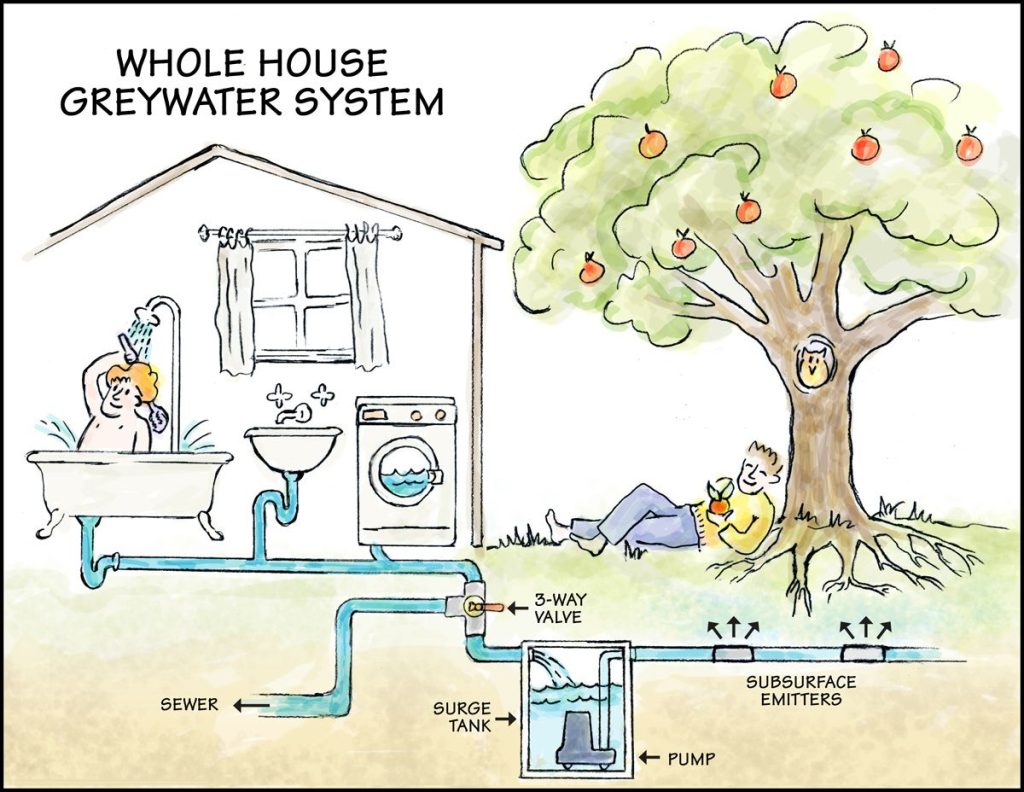
Greywater recycling systems capture water from showers, sinks, and laundry, diverting it from the sewage system for reuse in non-potable applications. This not only reduces the demand on municipal water supplies but also lessens the burden on sewage treatment facilities. By filtering and disinfecting this water, greywater systems provide a safe and efficient way to irrigate gardens and flush toilets. The technology behind these systems has advanced significantly, making them more accessible and user-friendly for homeowners.
The benefits of installing a greywater recycling system extend beyond water conservation. They can lead to substantial savings on water bills, offering a return on investment over time. However, homeowners must consider the initial setup costs and maintenance requirements. Despite these considerations, the environmental benefits and long-term savings make greywater recycling a compelling option for those looking to reduce their ecological footprint and promote sustainable living.
Rainwater Harvesting Systems
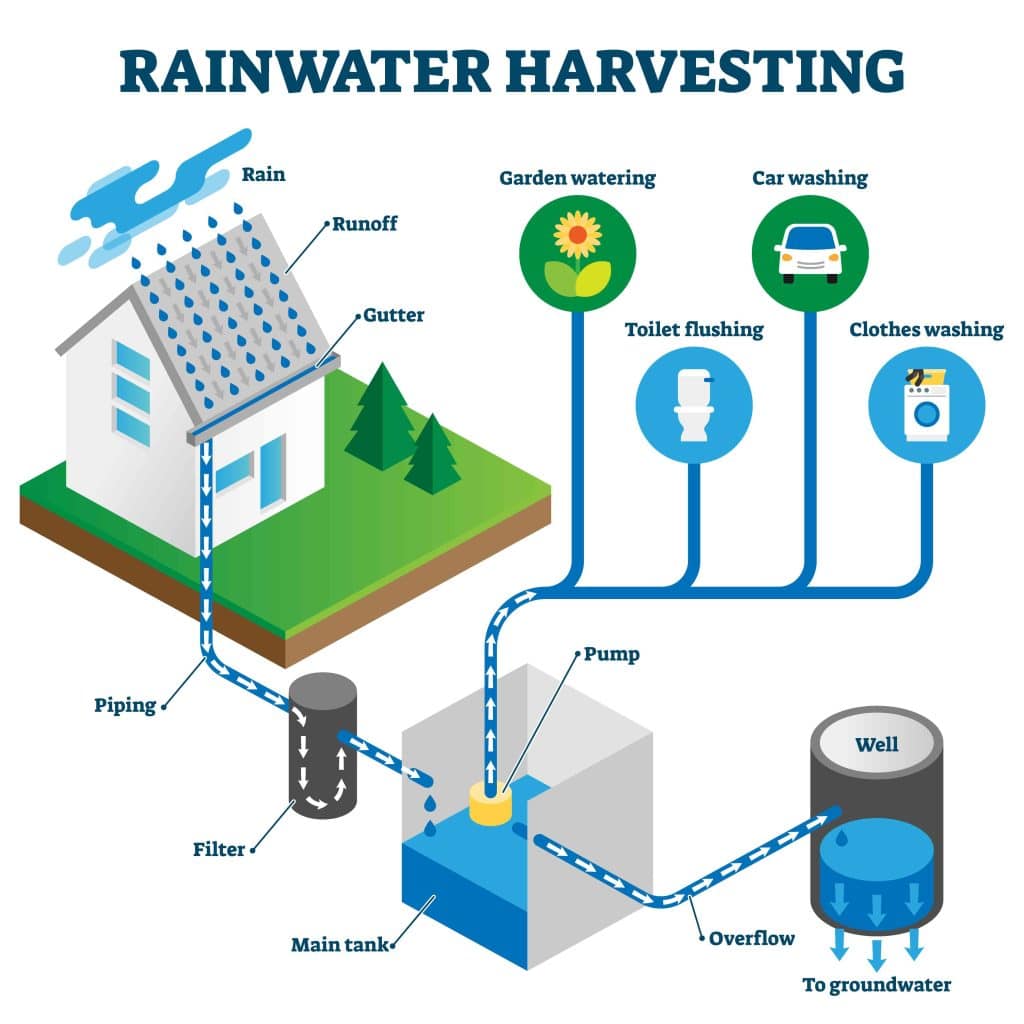
Rainwater harvesting involves collecting and storing rainwater from rooftops, which can then be used for irrigation, toilet flushing, and even potable purposes with proper treatment. This system significantly reduces reliance on municipal water supplies and can be especially beneficial in areas prone to drought. By utilizing a simple setup of gutters, storage tanks, and filtration systems, homeowners can capture a considerable amount of rainwater annually, making a substantial impact on their water consumption.
Integrating a rainwater harvesting system into an eco-friendly home not only conserves water but also reduces runoff, which can lead to erosion and pollution in local waterways. The key to maximizing the benefits of such a system lies in its design and installation, which should be tailored to the home’s water usage patterns and the local climate. With advancements in storage and filtration technology, rainwater can be safely stored for extended periods, ensuring a reliable supply for various household needs.
Dual Plumbing Systems
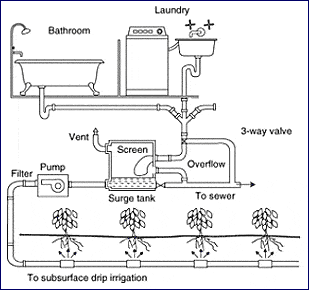
Dual plumbing systems are designed to use recycled water for non-potable applications within a home, separating the supply of potable water from that of treated recycled water. This system requires two sets of water pipes: one for drinking water and another for recycled water, which can be used for toilet flushing, landscape irrigation, and other non-potable purposes. Dual plumbing systems represent a significant step forward in residential water conservation, making it possible to drastically reduce the consumption of potable water.
The implementation of a dual plumbing system can be more straightforward in new constructions but poses challenges in existing structures due to the need for additional piping. Despite these challenges, the long-term benefits include water savings, reduced strain on municipal water treatment facilities, and lower water bills. For homeowners committed to sustainability, investing in a dual plumbing system aligns with broader environmental goals, contributing to the conservation of precious water resources.
Condensation Collection Systems

Condensation from air conditioning units represents an often-overlooked source of water that can be recycled and used for various non-potable purposes. By installing a condensation collection system, homeowners can capture this by-product of air cooling, which would otherwise be wasted. This collected water can be used for watering plants, landscape irrigation, or even pooled back into a home’s greywater system for further recycling. The process of collecting and using condensate is a simple yet effective way to add another layer of water conservation to eco-friendly homes.
The impact of condensation collection on a household’s overall water savings can be significant, especially in hot and humid climates where air conditioners run frequently. While the setup for collecting condensate is relatively simple and low-cost, it requires careful planning to ensure the water is collected cleanly and stored properly. Moreover, this system serves as a complement to other water recycling measures, further enhancing a home’s sustainability profile and reducing its environmental impact.
Wastewater Treatment Units
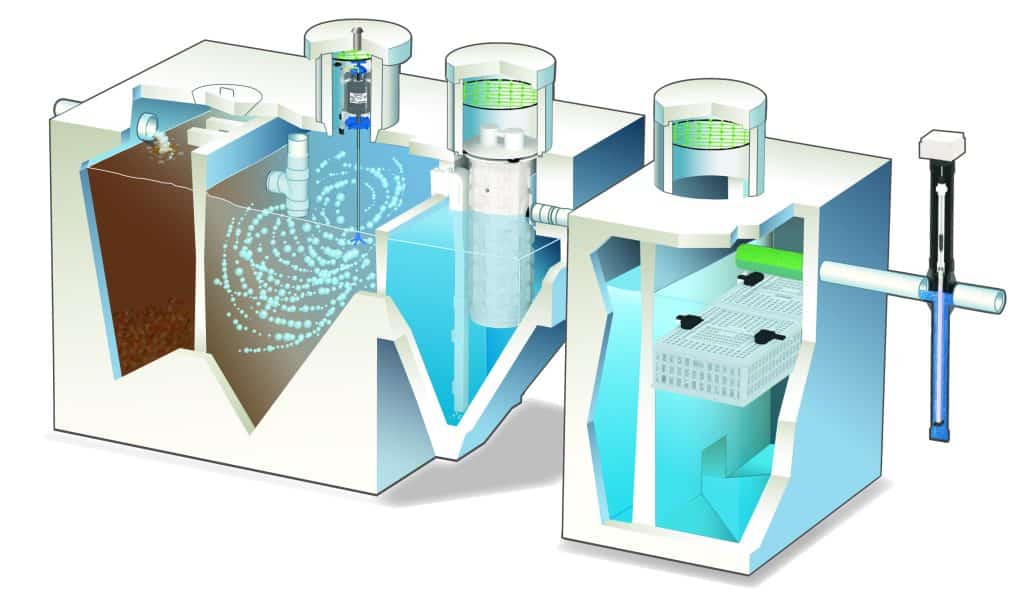
Compact onsite wastewater treatment units are becoming an increasingly popular option for homeowners looking to recycle water. These systems treat wastewater to a level that is safe for reuse in irrigation and, in some cases, for flushing toilets. The technology behind these units varies, but they generally include biological treatment processes and filtration to remove contaminants. This approach conserves water and reduces the amount of wastewater discharged into the environment, offering a double benefit of resource conservation and pollution reduction.
The efficiency and environmental impact of onsite wastewater treatment units make them an attractive choice for eco-friendly homes. They require an investment in terms of installation and maintenance but offer significant long-term savings and environmental benefits. Homeowners can tailor these systems to their specific needs, depending on the size of their household and the intended reuse applications. As these technologies advance, they are becoming more accessible, providing a viable option for a wider range of homes.
Smart Water Management Systems

Smart water management systems utilize advanced technology to monitor and control water use within a home, optimizing the recycling process and ensuring water is used efficiently. These systems can detect leaks, automate irrigation schedules based on weather forecasts, and provide detailed water usage data to homeowners. By integrating sensors and smart controls, these systems can significantly reduce water waste and enhance the effectiveness of other water recycling systems in the home. The ability to monitor water usage in real time encourages responsible consumption patterns and helps in identifying opportunities for further conservation.
The adoption of smart water management systems represents a shift towards more proactive and data-driven approaches to water conservation in residential settings. These systems not only make it easier for homeowners to manage their water use but also contribute to broader sustainability goals by minimizing waste. As technology progresses, the potential for integration with other home automation systems offers exciting possibilities for comprehensive environmental management. The convenience and efficiency of smart water management systems make them a vital component of the modern eco-friendly home.
Community-Scale Systems
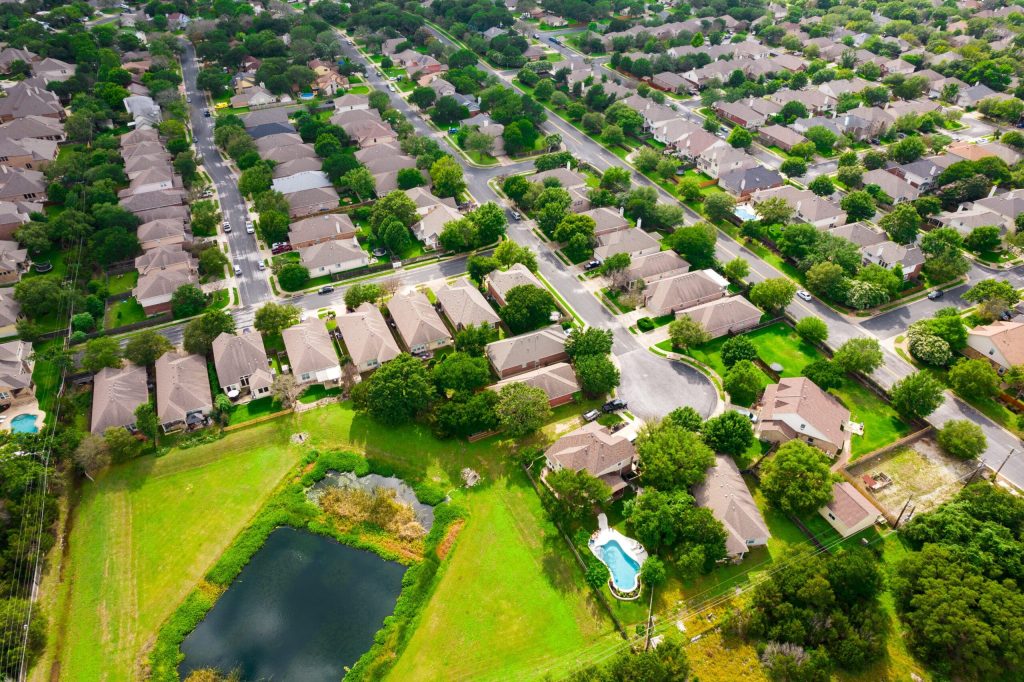
Community-scale water recycling systems offer a solution for neighborhoods or housing developments to implement shared water conservation measures. These systems can collect, treat, and reuse water for multiple homes, providing a cost-effective and efficient way to manage water resources at a larger scale. By pooling resources, communities can invest in more advanced treatment technologies and infrastructure, making sustainable water use achievable for all residents. Such systems benefit the environment by conserving water, reducing wastewater, and fostering a sense of community commitment to sustainability.
The implementation of community-scale water recycling requires careful planning and collaboration among residents, local authorities, and water management experts. Despite the challenges, these systems can serve as models for sustainable living, showcasing the potential for collective action in addressing environmental issues. Case studies of successful community-scale water recycling projects can inspire other communities to consider similar initiatives, highlighting the scalability of water conservation efforts from individual homes to entire neighborhoods.
Innovations in Water Recycling

The field of water recycling is ripe with innovations as researchers and engineers develop new technologies to improve the efficiency and accessibility of water reuse. Emerging technologies such as nanofiltration, forward osmosis, and new bioreactor designs are pushing the boundaries of what’s possible, offering more efficient and cost-effective solutions for treating and reusing water. These advancements promise to make water recycling systems smaller, more efficient, and capable of producing higher quality recycled water, suitable for a broader range of uses within the home.
The importance of innovation in water recycling cannot be overstated, as it holds the key to addressing global water scarcity and environmental challenges. Future trends in home water recycling may include the integration of artificial intelligence to optimize water treatment processes and the development of decentralized systems that make water recycling feasible for even the most remote homes. As these technologies mature, they will play a crucial role in promoting sustainable water management practices, ensuring that eco-friendly homes can contribute significantly to water conservation efforts worldwide.
Make Every Drop Count in Your Eco-Friendly Home
As the world navigates the challenges of water scarcity and environmental degradation, adopting unique water recycling systems becomes not just an option but a necessity for eco-friendly homes. These systems offer a practical pathway to significant water savings and environmental preservation. By choosing to implement such technologies, homeowners can make a profound impact on the planet’s health and their own water security. Let’s take action now, embracing innovative solutions to ensure a sustainable and water-efficient future for all.