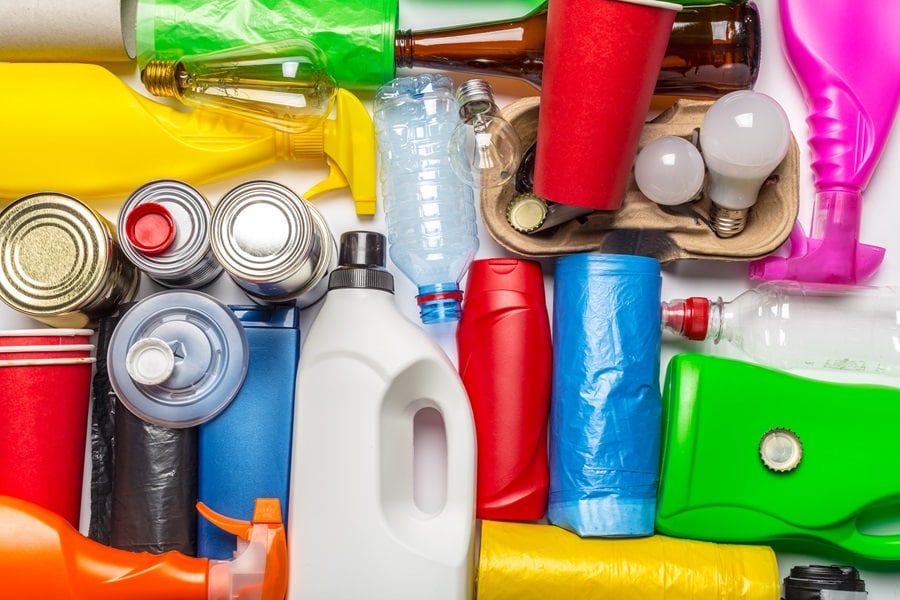
In the comfort of your home, you surround yourself with items designed to make life easier and more enjoyable. Yet, lurking beneath the surface of these everyday objects are potential dangers, often hidden from the casual glance. This article delves into the seemingly benign household items that could be harming your family. Armed with knowledge and the right strategies, you can protect your loved ones from these unseen threats. Understanding what’s at stake and making informed choices will not only ensure a healthier living environment but also peace of mind.
Contents
Cleaning Products
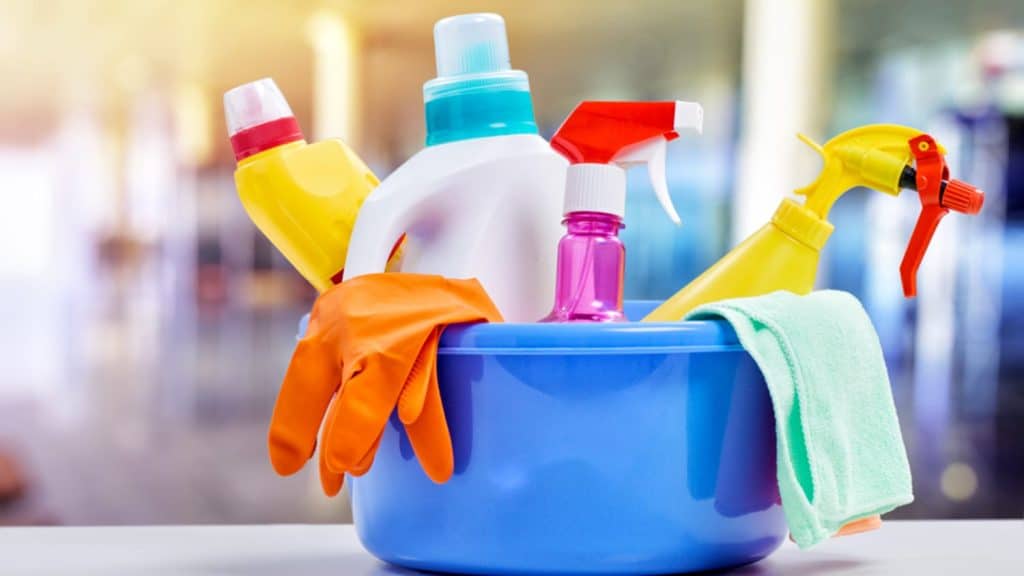
Household cleaners, while designed to keep your space sanitary, often harbor a mix of chemicals that can pose unexpected risks. Among these, volatile organic compounds (VOCs) stand out for their ability to degrade indoor air quality and impact health. From causing immediate irritation to the eyes, skin, and respiratory system to potentially triggering long-term conditions, the ubiquitous nature of VOCs in cleaning products is a significant concern. It underscores the importance of scrutinizing what we use to purify our homes.
The good news is that safer, effective alternatives exist that don’t compromise on cleanliness. By opting for eco-friendly, non-toxic cleaning solutions, you can avoid the pitfalls of chemical exposure. Whether it’s choosing commercially available green cleaners or concocting your own cleaning agents from household staples like vinegar, baking soda, and essential oils, these alternatives empower you to maintain a pristine home environment. Moreover, they offer peace of mind, knowing that the health of your family isn’t being compromised for the sake of cleanliness.
Air Fresheners and Scented Candles
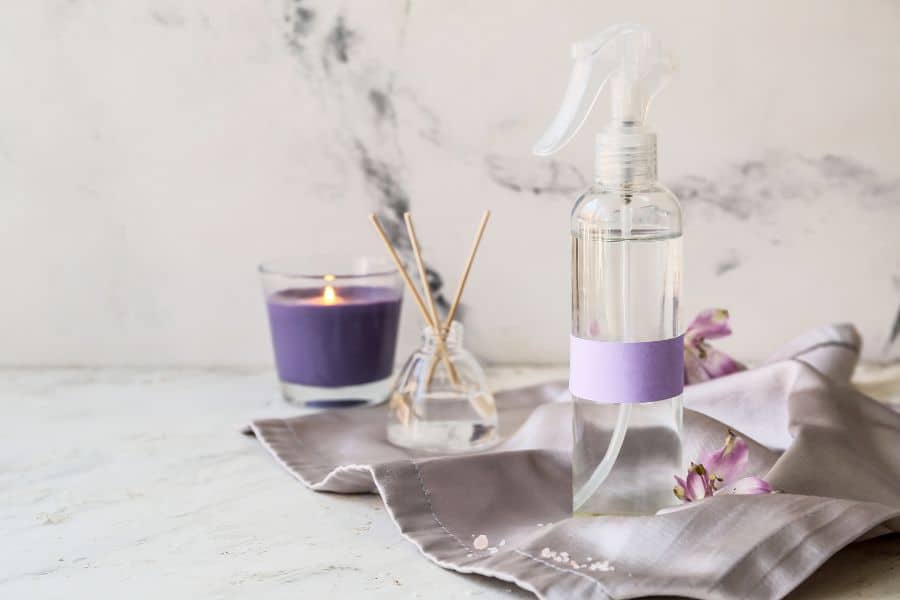
Air fresheners and scented candles, popular for their pleasant aromas, can paradoxically pollute the air with harmful chemicals. Artificial fragrances, often laden with phthalates, can exacerbate or even cause respiratory issues, allergic reactions, and other health problems. The irony of products intended to improve indoor air quality instead contributing to its contamination is a troubling reality. This situation calls for a reevaluation of how you choose to scent your living spaces.
Transitioning to natural alternatives for air freshening is a simple yet effective way to mitigate these risks. Essential oil diffusers, for instance, use natural fragrances that are less likely to trigger health issues. Similarly, candles made from beeswax or soy offer the cozy ambiance and pleasant scents many seek, minus the toxic byproducts. These changes, while small, can significantly improve the air quality of your home, ensuring a healthier environment for your family.
Non-Stick Cookware
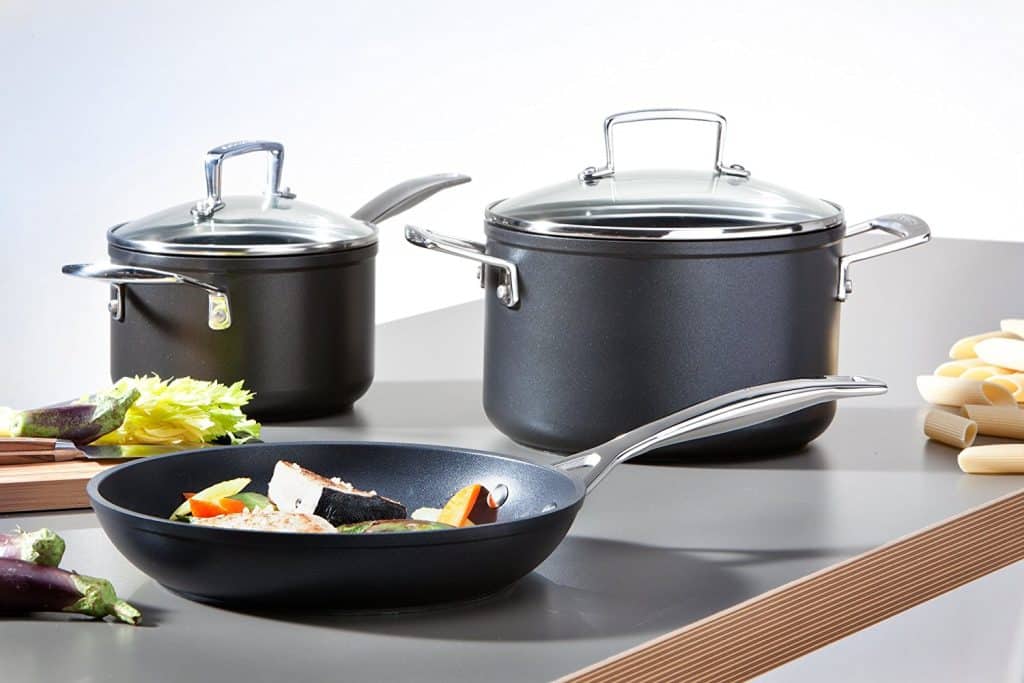
Non-stick cookware, celebrated for its convenience, often contains chemicals like polytetrafluoroethylene (PTFE), which releases toxic fumes at high temperatures. The association between these fumes and a range of health issues, including chronic diseases and acute symptoms, has raised alarms about the safety of such cookware. The allure of easy cleanup pales in comparison to the potential risks these materials pose, prompting a reevaluation of the tools you use to prepare your meals.
Fortunately, safer cooking materials are readily available. Stainless steel, cast iron, and ceramic are not only free from the harmful chemicals found in non-stick coatings but also offer superior cooking qualities. These alternatives require minimal adjustments to cooking habits but provide significant benefits in terms of health and safety. By choosing these materials, you prioritize the well-being of your family without sacrificing the joy and art of cooking.
Plastic Containers and Bottles
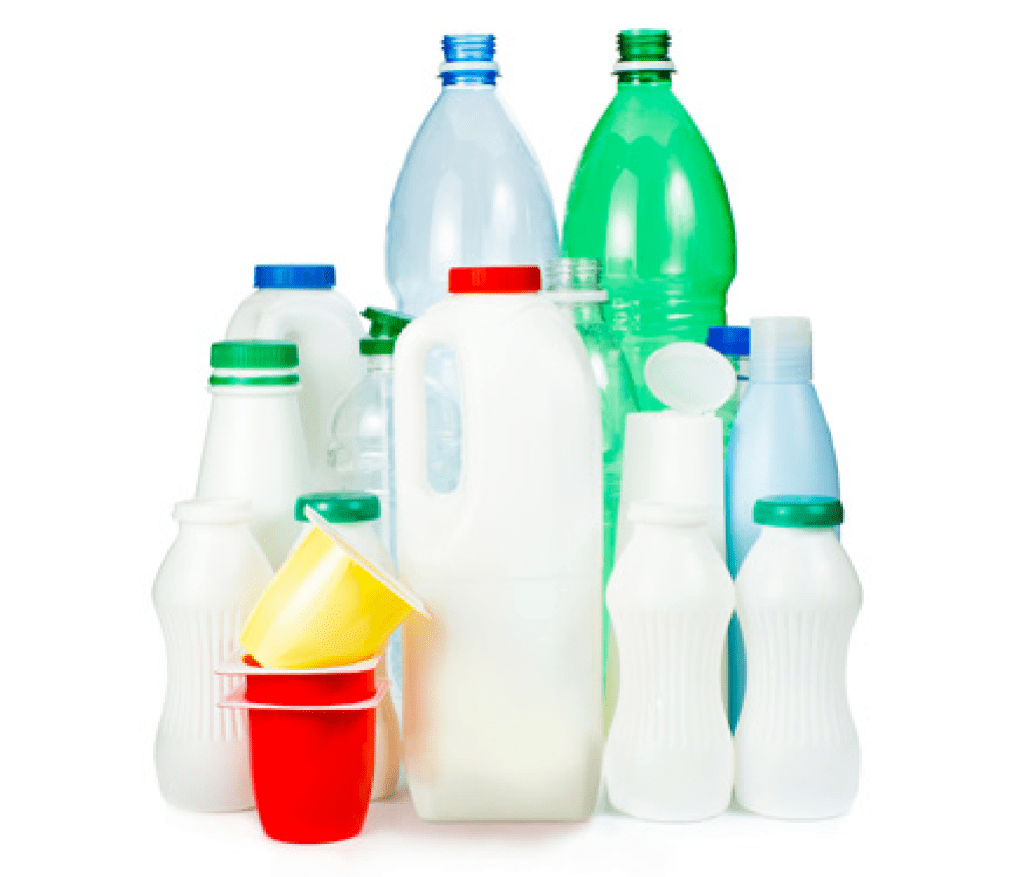
Plastics, ubiquitous in food storage and packaging, often contain bisphenol A (BPA) and phthalates, chemicals known to leach into food and beverages. The health implications of such exposure, including hormonal disruption and reproductive issues, have cast a shadow over the convenience plastics offer. As evidence mounts regarding their potential dangers, the necessity of finding safer options for storing and consuming your food becomes increasingly clear.
Alternatives to conventional plastics, such as glass, stainless steel, and BPA-free plastics, provide safer avenues for food storage and consumption. These materials help avoid the health risks associated with harmful chemicals and offer better preservation of food quality and taste. By making the switch, you take a significant step towards protecting your family’s health, ensuring that your food storage solutions don’t come with hidden costs to your well-being.