


Oven fires are more common than one might think, causing property damage and endangering lives. According to the National Fire Protection Association, ovens and cooking equipment are the leading causes of home fires. This alarming statistic underlines the importance of preventive measures to ensure a safer cooking environment. This article explores effective ways to prevent an oven fire by discussing everything from the basics of oven safety to the role of kitchenware and the importance of regular maintenance. By adopting the right habits and tools, reducing the risk of an oven fire becomes an achievable goal.
Understanding The Basics Of Oven Safety

Ovens are essential in most kitchens, but often, their operations are taken for granted. To understand how to prevent an oven fire, one needs to know how an oven works. An oven is a thermally insulated chamber used for baking, roasting, and heating food. Ovens can be electric, gas, or convection, and each type has safety measures. Understanding the unique characteristics of the oven one owns is the first step in prevention.
One of the most common causes of oven fires is food spillage or grease buildup. Other causes could be faulty wiring, especially in older ovens, or a worn-out heating element. Knowing the causes can guide one’s efforts in prevention. For instance, if food spillage is a frequent issue, one needs to be extra vigilant when cooking dishes that are likely to bubble over.
Regular Maintenance Is A Must
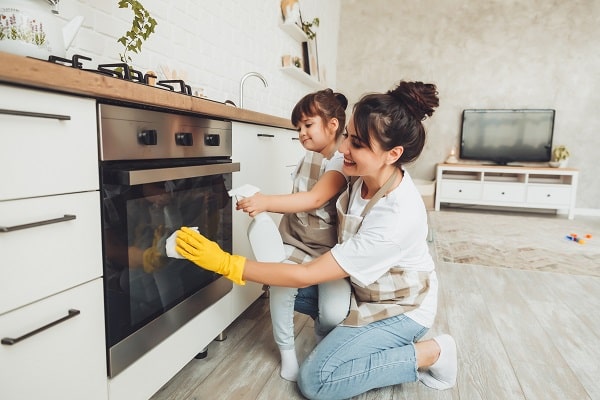
The importance of regular maintenance cannot be overstated regarding oven safety. A routine cleaning schedule maintains the oven’s efficiency and significantly reduces the chance of a fire. Grease and food particles can accumulate over time and become a fire hazard. Using manufacturer-recommended cleaning agents can effectively remove these particles and eliminate the risks.
While cleaning is crucial, it’s not the only maintenance required. It’s a good practice to visually inspect the oven’s internal components regularly. Check for any frayed wiring, especially in older models, or any signs of wear and tear on the heating elements. Promptly replace any parts that appear to be damaged. Scheduled inspections can go a long way in ensuring that all the oven components are in optimal working condition, reducing the chances of an unforeseen fire.
The Role of Kitchenware
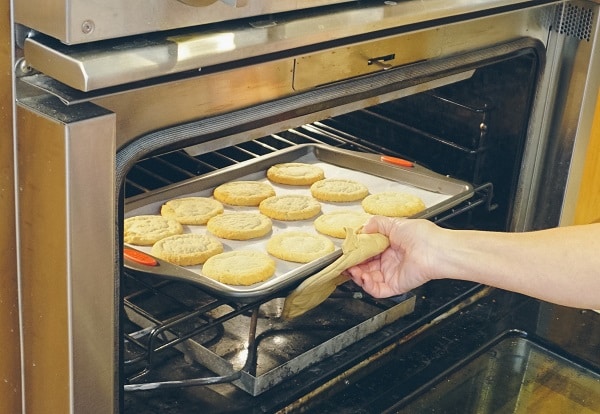
Kitchenware plays a pivotal role in oven safety. Using the right utensils and trays designed to be oven-safe can prevent potential disasters. Metal trays, ceramic dishes, and glassware marked as oven-safe are usually good choices. Always avoid using anything made of plastic or utensils with any form of plastic handles, as they can melt and cause a fire.
Recognizing unsafe kitchenware is equally essential. If a utensil is not labeled oven-safe, it’s wise to assume it’s not. Materials like wood, melamine, or regular glass should never be used inside an oven. Any doubt should be cleared by referring to the manufacturer’s guidelines or by opting for something confirmed to be oven-safe.
Smart Usage of the Oven Timer
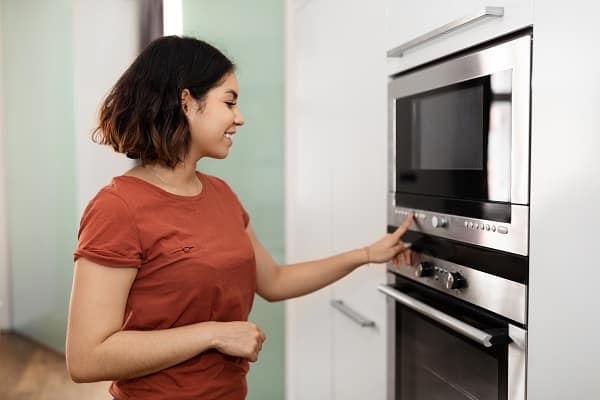
Timers are often considered a convenience for busy cooks, but their role in preventing oven fires is indispensable. A timer serves as a reminder to check on the cooking food. This can prevent overcooking, which is a culinary concern and a significant safety hazard. Overcooked food can smoke and eventually catch fire if left unattended for too long.
There are various best practices for setting oven timers. For starters, always set the timer for a slightly shorter period than the total estimated cooking time. This will prompt a check-in before the food has the chance to overcook. Some modern ovens even offer features like automatic shut-off after a certain period, which can be a great additional safety measure. However, relying solely on these features is not advised; active supervision remains the best preventive strategy.