


Utilize Curtains And Rugs

While upgrading windows and installing insulation are long-term solutions, simple additions like curtains and rugs can have a noticeable impact on your home’s warmth. Heavy, thermal-backed curtains add an extra layer of insulation to your windows. Open them during sunny days to let natural heat in and close them as soon as dusk falls to trap the warmth. The right choice of fabric and material can make a significant difference in how well the curtains perform their role.
Rugs, on the other hand, add both aesthetic value and functionality to a room, especially when it comes to heat retention. Hardwood and tile floors may look elegant, but they are not the best when it comes to keeping warm. Laying down thick, plush rugs can add a layer of insulation to the floor, reducing heat loss and making the living space feel cozier. Small investments in curtains and rugs can yield big returns in comfort and energy savings, making them worth considering as part of your winter prep.
Managing Thermostats And Timers
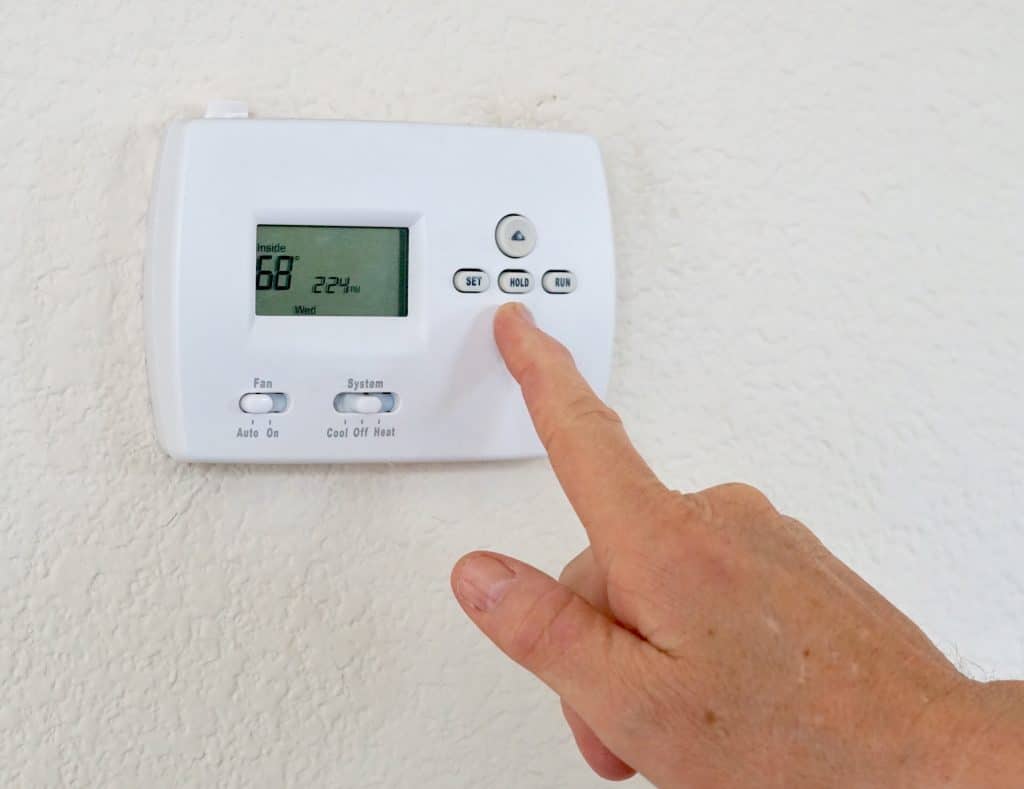
Programmable thermostats offer an intelligent way to manage home heating. By setting a schedule that aligns with your daily routine, you can ensure the heating system is working optimally when you need it the most. Imagine waking up to a warm house or returning home to a cozy environment after a long day. Advanced models even allow for smartphone control, enabling adjustments on the fly, thus adding a layer of convenience to energy management.
However, a programmable thermostat is only as effective as the settings you choose. A common mistake is to set the temperature too high in an attempt to heat the home quickly. This approach is counterproductive, leading to unnecessary energy consumption. A more effective strategy involves incremental adjustments to find a temperature that is both comfortable and energy-efficient. Once set, the thermostat does the rest, giving you one less thing to worry about.
Seal Gaps And Cracks

Nothing undermines your heating efforts like gaps and cracks in the structure of your home. These seemingly minor issues can be a significant source of heat loss, essentially throwing your money out of the window—or, in this case, through the gaps. Simple solutions like using caulk or foam strips can seal these openings effectively, improving not just heat retention but also your home’s overall energy efficiency.
But where should you look for these gaps? Common problem areas include window frames, door frames, and even electrical outlets on exterior walls. A detailed inspection can reveal these hidden culprits, allowing you to address them before winter sets in. It’s a simple and relatively inexpensive step that can pay dividends in the form of a warmer home and lower energy bills.
Regular Maintenance

A well-maintained heating system is often the unsung hero of a warm home. Regular check-ups ensure that your boiler, furnace, or heat pump operates at peak performance. Dust and debris can accumulate in air filters and ducts, leading to inefficiencies that not only reduce heat but can also pose safety risks. Routine cleaning and the occasional replacement of parts can go a long way in maintaining a steady supply of warmth.
It’s advisable to schedule a professional check-up before the onset of winter. This allows time for any needed repairs and ensures that the system is ready for continuous operation in colder months. Tasks like bleeding radiators, checking for leaks, and inspecting insulation around pipes should be on your maintenance checklist. Remember, a heating system is an investment, and regular upkeep ensures it keeps paying off year after year.
Ensure Your Home Is Set Up For A Cozy Winter!
Winter can be a test of endurance, but with the right preparation, it doesn’t have to be a battle against the cold. A proactive approach—ranging from understanding heat loss mechanisms to considering green energy alternatives—can equip you for a comfortable season without breaking the bank. The steps to a warmer home are not just about surviving the cold but thriving in it. So don’t wait! Make these changes now and set the stage for a snug, efficient home this winter!