Don’t Use A Damaged Grill

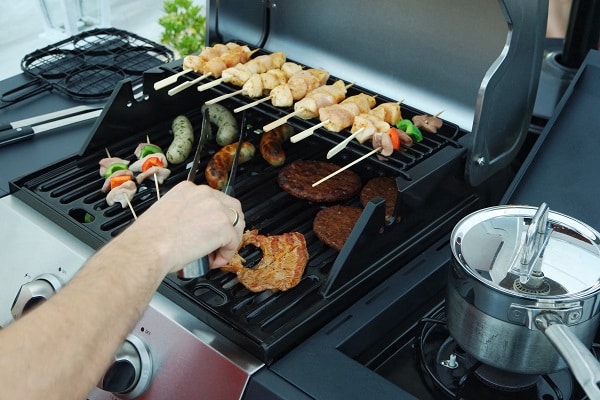
A grill showing signs of damage or wear isn’t just an aesthetic concern; it’s a potential safety hazard. From rust on the grates to cracked hoses on gas grills, every defect can lead to uneven heating, flare-ups, or worse, gas leaks. Regular maintenance checks are crucial to ensure the grill’s optimal functionality and to detect early signs of wear and tear.
Addressing issues promptly, be it replacing a worn-out grate or fixing a leak, is of utmost importance. A damaged grill might not provide the desired cooking results, and more critically, it could pose significant risks. Whether it’s for the love of the food or the safety of all involved, ensuring the grill is in prime condition before use is essential.
Don’t Forget To Clean Your Grill
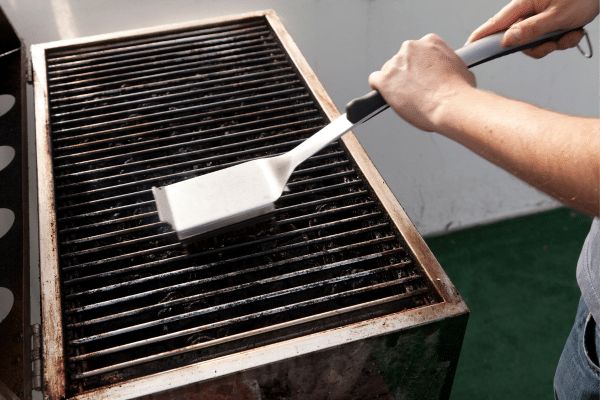
A shiny, grease-free grill isn’t just pleasing to the eyes; it’s a testament to good grilling practices. Residual grease and leftover food particles can ignite and cause unexpected flare-ups, which can char the food and even pose a fire hazard. Cleaning the grill after each use ensures that the next grilling session starts on a fresh note, free from remnants of past meals.
Consistent cleaning not only prevents potential fire hazards but also extends the life of the grill. Build-ups can corrode grill components over time, leading to faster wear and tear. Plus, a clean grill offers an even cooking surface, ensuring food cooks uniformly and tastes as it should, without any lingering flavors from past grilling sessions.
Avoid Grilling In Unfavorable Weather Conditions

Mother Nature is unpredictable, and sometimes her mood swings can play havoc with grilling plans. Grilling during strong winds can be particularly risky. Gusts can blow embers, posing a fire hazard, while also making it challenging to maintain consistent temperatures. Heavy rain, on the other hand, can douse coals and affect the grill’s performance.
It’s not just about the inconvenience. Grilling in adverse conditions can be unsafe. The grill can get unstable on wet grounds, or the wind might blow smoke and sparks towards flammable objects. It’s essential to either wait for better conditions or take precautions, such as setting up wind barriers or choosing a sheltered spot away from flammable materials.
Avoid Placing The Grill Too Close To Flammable Materials
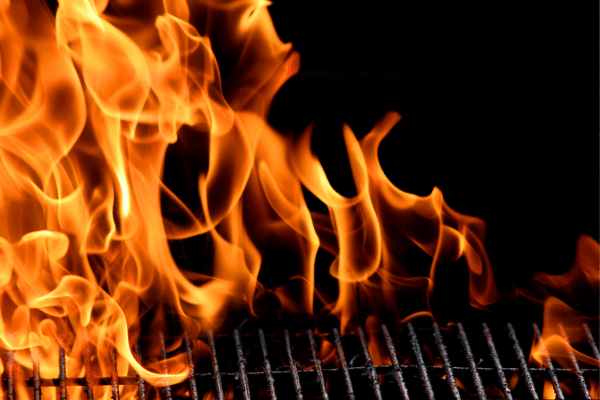
Grilling demands a safe environment, and positioning is key. When placed near flammable materials like wooden structures, curtains, or even certain plants, there’s a heightened risk of accidental fires. Embers can fly or sparks can ignite, setting these materials alight and causing rapid fire spread.
Ensuring a safe distance between the grill and potential fire hazards is paramount. A good rule of thumb is to keep the grill at least 10 feet away from any structure or flammable items. This not only offers a safer grilling experience but also provides ample space to move around and manage the grill without hindrances.
The Bottom Line
Grilling is a delightful experience, combining the thrill of outdoor cooking with the flavors only a grill can impart. Yet, as with any activity involving fire and raw food, precautions are essential. By sidestepping common mistakes and prioritizing safety—both of the equipment and the food—anyone can ensure that grilling remains a joyous and incident-free affair. Here’s to many more sizzling summers and perfectly grilled delicacies, enjoyed in the safest manner possible.
