Contents
Recognizing When To Prune
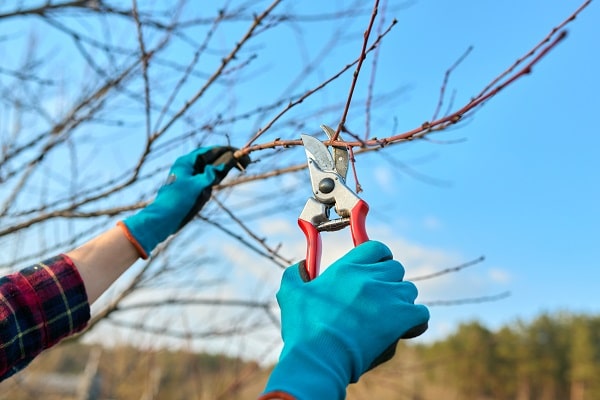
Not all plants require regular pruning; even those that do might not need it yearly. Observing a plant’s growth patterns can provide insights into when pruning might be beneficial. If a plant is outgrowing its space or becoming unruly, it might be time for a trim. Similarly, if branches are crossing each other or if there’s limited airflow in the center of the plant, pruning can help.
Another crucial aspect to consider is the age of the plant. Young plants often benefit from formative pruning, which helps establish a strong structure as they grow. Conversely, mature plants require maintenance pruning to remove dead or diseased branches and rejuvenate growth. Always look for signs of disease or damage, as these can indicate areas that need attention.
Special Considerations For Flowering Plants

Flowering plants bring joy with their vibrant blooms but also come with their own set of pruning challenges. Pruning at the wrong time can lead to a season without flowers. To maximize flower production, it’s essential to understand the plant’s blooming cycle. For instance, plants that bloom on new growth should be pruned in late winter or early spring, while those that bloom on old growth should be pruned right after flowering.
Deadheading, or the removal of spent flowers, is another technique specific to flowering plants. This process improves the plant’s appearance and encourages more blooms by preventing the plant from putting energy into seed production. Regular deadheading can lead to prolonged flowering periods and a more vibrant display.
The Impact Of Pruning On Plant Health

Pruning isn’t just about shaping a plant; it profoundly affects its health. Proper pruning can reduce stress on a plant by removing dead or diseased branches, allowing the plant to focus its energy on healthy growth. Additionally, pruning can reduce the chances of fungal diseases by improving air circulation and light penetration.
Moreover, pruning can strengthen a plant. The plant can direct its resources to stronger branches by removing weak or spindly growth, leading to a more robust and resilient specimen. It’s a delicate balance, though. While strategic pruning can bolster a plant’s health, over-pruning can weaken it, making it more susceptible to diseases and environmental stresses.
Environmental Factors To Consider
The environment plays a pivotal role in how a plant responds to pruning. For instance, pruning during extreme weather conditions, be it a hot, dry spell or a freezing period, can stress the plant. It’s best to prune when the conditions are mild, ensuring the plant can recover quickly.
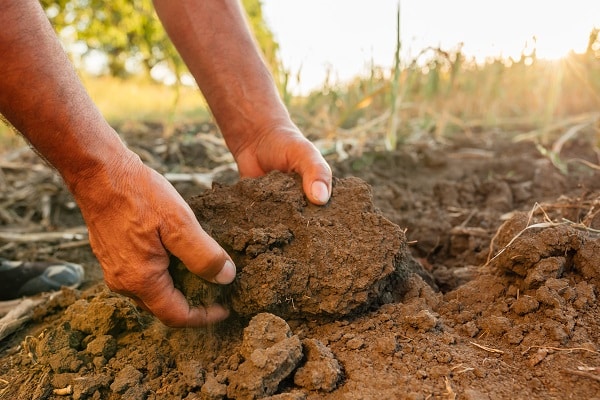
Soil health is another factor that can impact post-pruning recovery. Plants in nutrient-rich soil tend to bounce back faster than depleted soil. After pruning, it’s essential to ensure the plant receives adequate water, especially if the weather is dry. Proper hydration can speed up the healing process and reduce the chances of stress-induced issues.
The Bottom Line
While seemingly straightforward, Pruning is a complex dance between understanding a plant’s needs and responding with precision and care. It’s about cutting back unwanted growth and nurturing a plant to its fullest potential. With the right knowledge, tools, and techniques, anyone can master the art of pruning, ensuring their plants thrive in health and beauty. As with all things in gardening, patience, observation, and a touch of love go a long way in ensuring success.