
Important Categories for Fair Trade
Everybody who spends on everyday items, such as coffee, fresh produce, and chocolate, are part of the global supply chain. Products with Fairtrade America are certified by ethical brands that prevent supply chain risks and make social and environmental mission credible. Retailers, on the other hand, educate shoppers and make them aware of the positive impact they are making on small-scale farmers by promoting the four Frade trade goods given below:
Bananas

Bananas are one of the most popular fruits in the United States, but very few people know that millions of small-scale farmers and plantation workers are behind this fruit’s production. These farmers belong to tropical regions and face problems that put their livelihood at risk. They are given low wages and usually face loads of occupational hazards.
However, bananas that carry the Fair Trade sticker have been grown and produced by organizations that match social, economic, and environmental standards.
Coffee
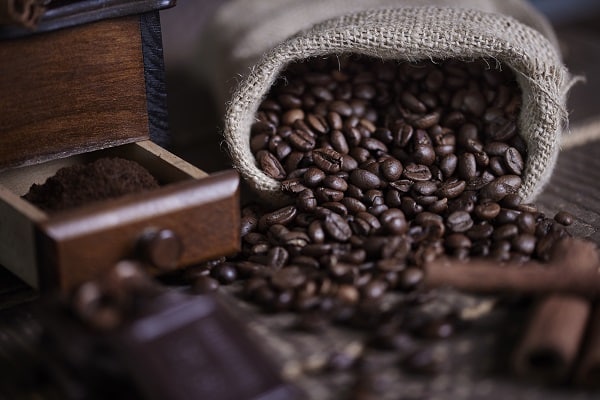
Did you know that the world’s coffee industry is currently in crisis? We know, that’s a scary thought! The truth is that approximately 61% of coffee producers sell their coffee below the cost of production. This puts millions of small-scale farmers at risk as they do not earn the livelihood needed to survive comfortably. Coffee traders, roasters, and retailers must understand that underpaying farmers will only put the future coffee business at risk.
Fair Trade coffee growers are more secure as they receive minimum wage. Moreover, retailers play an important part in promoting Fair Trade coffee products.
Chocolate
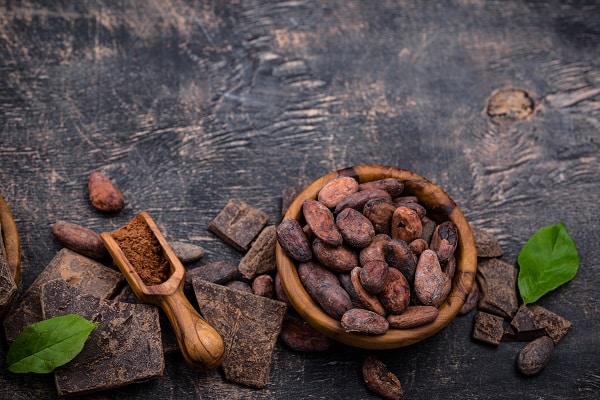
When it comes to the cocoa supply chain, child labor is a prevalent part of the industry. In developing countries, producers are paid low prices so that they can employ cheap labor. Fair Trade America ensures that all chocolate made is under strict economic, social, and environmental regulations. They also keep a check on child labor.
When companies make use of Fair Trade ingredients, small-scale farmers have the opportunity to earn a reasonable livelihood without exploiting child labor.
Cotton

A t-shirt may cost only $3, but there is a lot of slavery and environmental pollution that goes into producing clothing at such cheap rates. To ensure that farmers are paid a fair rate, retailers must turn to pieces made with Fair Trade cotton and take responsibility for their local environment.
Moreover, brands using Fair Trade can appeal to consumers’ ethical concerns while securing a livelihood for small-scale farmers, limiting environmental damage, ensuring gender equality, and eradicating child labor.
To ensure that workers enjoy safe working conditions and sustainable wages, sign up for more Fair Trade products and make a change in someone’s life.
