


Environmental Impact Of Plastic Beverage Containers
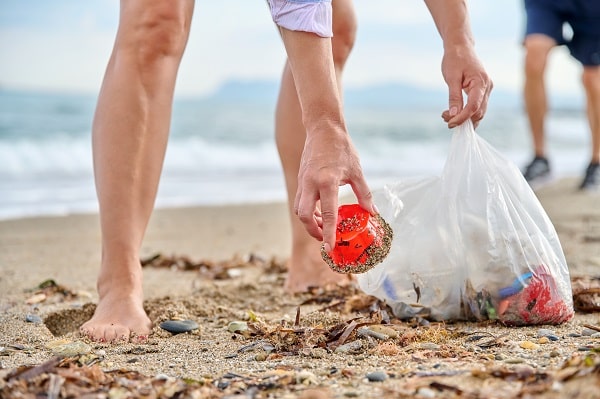
The environmental consequences of plastic beverage containers are far-reaching. Plastic production contributes significantly to carbon emissions, and the decomposition time of plastic products means they persist in the environment for centuries. Discarded plastic beverage containers frequently end up in landfills, or worse, in oceans and waterways, where they harm marine life and ecosystems.
Furthermore, while recycling is often proposed as a solution, the reality is that only a fraction of plastic waste is recycled effectively. Many plastic beverage containers are discarded improperly or are not recycled due to contamination. This lack of effective recycling means plastic waste accumulates, exacerbating environmental pollution and contributing to the growing global plastic waste crisis.
Alternatives To Plastic In The Beverage Industry

There are several viable alternatives to plastic in the beverage industry. Glass and metal containers, for instance, are often recyclable and reusable and won’t leach harmful chemicals into beverages. Glass, in particular, is highly regarded for preserving the taste and quality of drinks.
Biodegradable materials are also being explored as a potential alternative. Innovations in packaging technology have led to the development of plant-based plastics and other biodegradable materials that break down more quickly and harmlessly in the environment. These alternatives, however, are not without their challenges, including higher production costs and varying degrees of consumer acceptance.
Case Studies: Successful Transitions From Plastic

Several beverage companies have successfully transitioned away from plastic, indicating that it is feasible. Danish beer brand Carlsberg, for instance, has innovated with its Snap Pack, which glues cans together, reducing plastic use by up to 76%. In partnership with Danish startup Paboco, Coca-Cola has been working on a 100% paper bottle.
These examples illustrate that transitioning away from plastic is possible with innovation and commitment. However, the process often involves significant research and development and overcoming logistical and consumer acceptance challenges. Still, these case studies offer valuable lessons for other beverage companies looking to make similar sustainability-focused shifts.
The Role Of Consumers In Driving Change
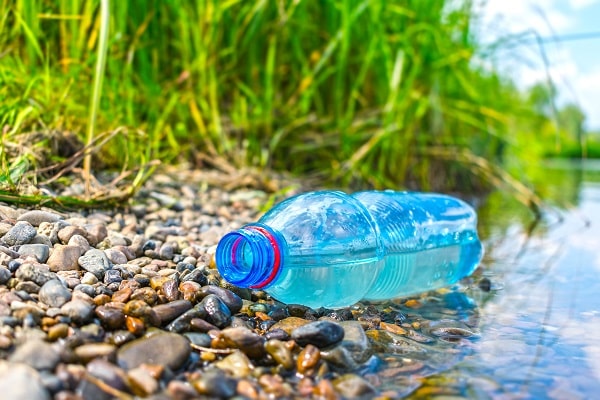
Consumer behavior and preferences play a significant role in driving packaging decisions in the beverage industry. As awareness about the negative impacts of plastic increases, consumers are increasingly seeking out and supporting brands that prioritize sustainability. This shift in consumer preferences is driving more companies to explore and adopt alternatives to plastic.
In addition to supporting sustainable brands, consumers can contribute to change by making conscious decisions in their own lives, such as choosing refillable glass or metal containers, recycling properly, and advocating for policies that reduce plastic waste. By voting with your wallet and making eco-friendly beverage choices, you, as a consumer, can influence the beverage industry and drive it toward more sustainable practices.
The Bottom Line
From a consideration of beverage quality and potential health implications to the dire environmental impacts, it’s clear that plastic and drinks make a dubious concoction. While plastic may offer short-term convenience and cost-effectiveness, long-term costs are too high. The good news is that alternatives exist, and several success stories prove a transition away from plastic is possible. It requires concerted efforts from the industry and consumers to realize this change. Every beverage you choose to consume is a vote for the kind of world you want to live in, and with informed choices, you can steer towards a more sustainable future.