Watch What You Love
People who have had cable TV at home will probably relate to the struggle of the massive amount of useless live TV channels there are, which they never watch. Most people watch a fixed handful amount of channels and altogether ignore almost 85% of them. The best part about cutting the cord is that you can take a highly selective approach to choosing the content. For instance, if you primarily enjoy watching US TV, you can get any of the Sling TV packages that include your preferred channels, or you may subscribe to Hulu and get any number of add-ons to match your content viewership. Such an approach may leave you with less content compared to a cable package, but the viewership ratio would be much better because you’d be more likely to watch almost everything you have paid for.
Easy To Switch Among Other Streaming Services
We know how painful it is to cancel your cable connection as the service providers always manage to trick you into continuing their plan or, worse, buying a more expensive one. Their tactics usually involve extended contracts, unnecessary and costly cancellation charges, ongoing hidden expenses, and intimidations regarding other services you may move to. These tactics typically work, causing several people to utterly give up and surrender themselves to stay tied to the service provider forever. However, this is not the case with other internet service providers, as most of them would not force you to stay in a lengthy contract and allow you to cancel anytime you want. You can easily subscribe to Netflix for a couple of months, watch all the shows and movies you’ve wanted to, cancel your plan when you’re done, switch to another streaming app, and repeat the same process. Well, these were some of the major benefits that you can derive after cutting cords and moving to other ways of consuming content. Now let’s get to the various alternatives of cable connection.
HD Antenna
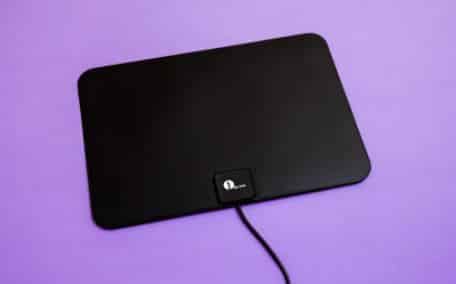
TV antennas have been prevalent for quite a while and are now designed in a way to pick over-the-air broadcasting signals in high quality without any paid subscription. An HD antenna is a one-time expense and installment lasting for as long as you want, costing between $20-$50 depending on model and facility. Through this, you may watch local over-the-air channels such as news, live sports, daytime shows, and so on.
Streaming Devices
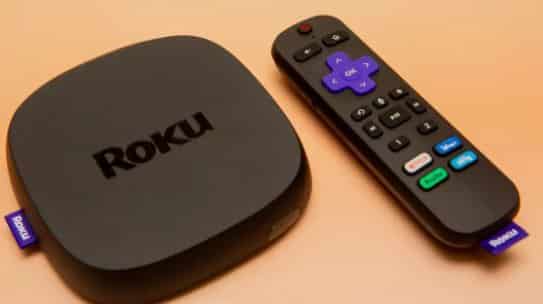
These are media players that allow you to watch online content on your TV. Some of these devices are Amazon Fire Stick, Roku, Apple TV, Google Chromecast, etc. There is a wide range to choose from as there are mini-streamers at $30 and premium ones costing $180, such as Apple TV 4K. Some experts consider these to be unnecessary if you own a smart TV, while it becomes equally essential if you don’t have one.
Streaming Services
These are just like the internet-based version of cable TV, only more portable, versatile, and cost-effective. Some of the prominent players are Netflix, Hulu, Amazon Prime, Sling TV, etc. You may also subscribe to streaming services such as CBS All Access and HBO NOW. Similarly, services dedicated to the sport are also available such as Fubo TV, AT&T TV NOW, etc.
Smart TV
Smart TVs are connected to the internet and not to a satellite or cable network. These can do much more than a regular TV set, such as streaming content from various streaming devices mentioned previously, playing music from Spotify, live sports streaming, and so on. Smart TVs are perfect for those who wish to have an all-in-one TV set without moving too many parts.
Conclusion
In a nutshell, cable connections have had a long and successful journey until wireless players entered the game of content consumption. With more facilities, selective streaming opportunities, convenient mobility, and portability being offered more cost-effectively, it is safe to say that cord-cutting is probably the best way forward.
