Fabric softener might seem like a harmless part of your laundry routine, but there’s more to it than just soft clothes and a fresh scent. Most people don’t realize these products are loaded with hidden chemicals that can damage your health, your clothes, and the environment. Companies promote them as essential, yet they’re anything but necessary. Over time, the buildup from these chemicals can cause skin irritation, respiratory issues, and harm the very fabrics you’re trying to protect. If you’ve been relying on fabric softener for years, it’s time to take a closer look. The truth behind that “fresh” scent is anything but clean.
Contents
The Chemical Cocktail Lurking in Every Capful
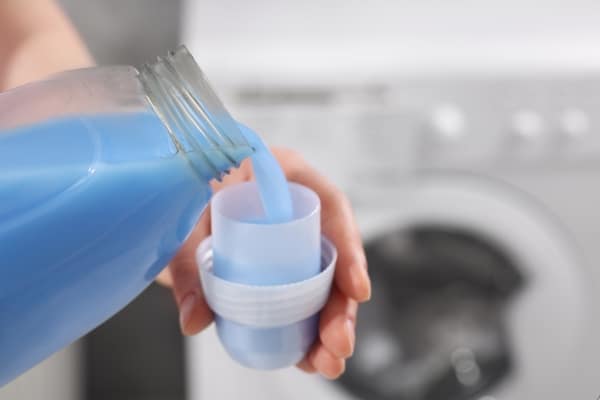
Fabric softeners are packed with synthetic chemicals that do far more than just coat your clothes in fragrance. Ingredients like quaternary ammonium compounds (quats), phthalates, and artificial fragrances are commonly found in these products. Many of these chemicals are linked to health risks such as hormone disruption, reproductive issues, and even long-term respiratory problems. Yet these ingredients are often hidden behind vague terms like “fragrance,” leaving consumers unaware of what they’re actually using.
Most of the chemicals in fabric softeners don’t fully wash out during the rinse cycle. Instead, they stay embedded in your clothes, slowly releasing fumes and coming into contact with your skin throughout the day. Even so-called “natural” or “green” softeners often use similar masking terms that hide their chemical content. Without clear labeling and regulation, it’s difficult to know what you’re being exposed to every time you do laundry.
Health Risks That No One Talks About

Repeated exposure to fabric softeners can have real consequences on your health, even if symptoms are subtle at first. Common side effects include headaches, skin rashes, dizziness, and breathing issues, especially in those with asthma or sensitive skin. The chemicals used can trigger reactions not only when you wear the clothes but also when inhaling the scent during the drying process. Many people experience ongoing irritation without ever suspecting their laundry routine is to blame.
Children, babies, and pets are particularly vulnerable due to their smaller size and heightened sensitivity. What seems like a harmless load of laundry could actually be contributing to chronic health problems in your home. In some cases, people spend years seeking answers to mysterious symptoms without realizing the culprit is their own clothing. Removing fabric softener from your daily habits can offer surprising improvements in overall well-being.
Fabric Softeners Are Wrecking Your Clothes
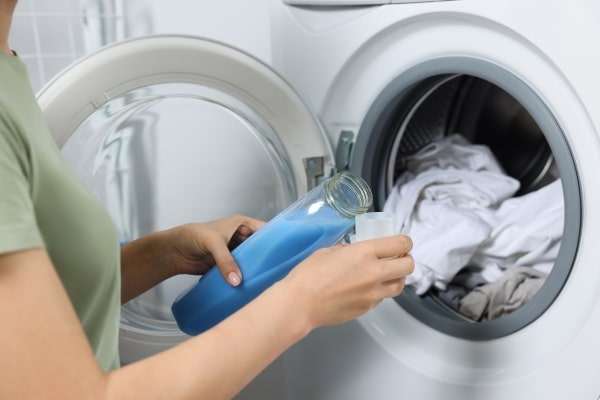
While fabric softeners claim to protect and enhance your clothes, they’re actually doing the opposite over time. These products leave behind a waxy coating that builds up on fabrics, reducing breathability and absorbency. This is especially problematic for towels and activewear, which rely on their ability to absorb moisture and wick sweat. As this coating accumulates, it traps odors and makes clothes feel greasy or less fresh after washing.
Over time, this residue wears down the fabric, causing premature aging, thinning, and even holes. Microfibers used in cleaning cloths and athletic gear become less effective, losing their ability to clean or ventilate properly. Flame-resistant clothing can also become less protective, posing additional safety risks. If your clothes don’t seem to last as long or feel as fresh, your softener could be the reason why.
The Environmental Impact Is Bigger Than You Think

Every time fabric softener is rinsed down the drain, it contributes to pollution that harms aquatic ecosystems. The chemicals used, particularly quats and synthetic fragrances, don’t fully break down in wastewater treatment plants. These substances often enter rivers and oceans, where they can accumulate in wildlife and disrupt natural life cycles. Aquatic animals exposed to these toxins may suffer from reproductive issues, illness, and even death.
On top of water pollution, the packaging and aerosolized release from dryer sheets add to overall environmental damage. Many bottles are made from plastic that ends up in landfills or contributes to ocean waste. Even the pleasant scent released from dryers can contain volatile organic compounds (VOCs) that degrade air quality both inside and outside the home. Eliminating fabric softeners is an easy, effective step toward reducing your ecological footprint.
Misleading Marketing Keeps You Hooked
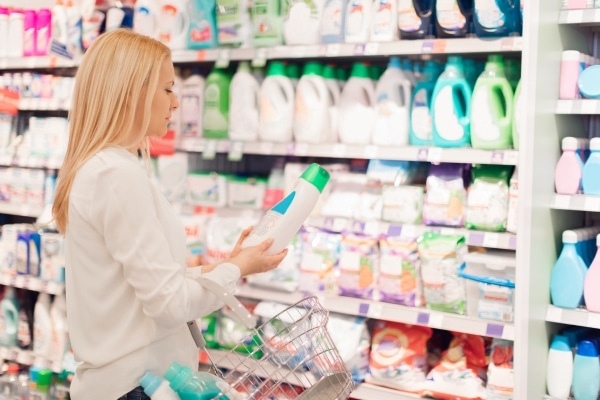
Fabric softeners are often marketed with soothing language and comforting imagery, making them feel like a must-have household item. Words like “gentle,” “fresh,” or “clean” sound reassuring but are rarely backed by any scientific standard. These terms are not regulated, allowing companies to promote products as safe even when they contain potentially harmful ingredients. Many consumers trust these labels without questioning what’s actually inside the bottle.
The fragrance industry also benefits from loose regulations, allowing brands to hide dozens of chemicals under the single term “fragrance.” This lack of transparency makes it nearly impossible for shoppers to make informed decisions. Clever advertising creates a sense of nostalgia or emotional comfort, which keeps people buying despite potential risks. The more you understand these tactics, the easier it becomes to break free from unnecessary and misleading products.
Natural Alternatives That Actually Work
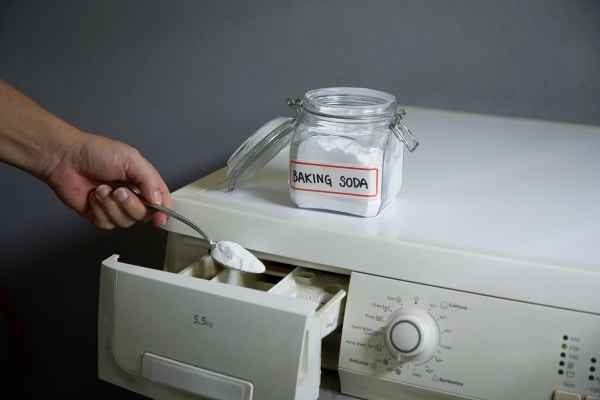
You don’t need chemical-laden fabric softeners to achieve fresh, soft laundry. White vinegar is one of the simplest and most effective alternatives—just a half cup in the rinse cycle can eliminate odors, soften fabric, and reduce static. Wool dryer balls are another great option; they naturally fluff clothes, shorten drying time, and can be reused for hundreds of loads. Adding a few drops of essential oil to dryer balls offers a light, natural scent without harmful residues.
Baking soda also works wonders when added to the wash cycle, helping to balance pH and keep clothes feeling clean. These natural alternatives are not only safer for your health but also more affordable in the long run. Unlike traditional softeners, they don’t leave behind residue or mask odors—they actually help clean your clothes. Making the switch requires minimal effort but delivers long-lasting benefits for your wardrobe and your home.
Break Free From the Softener Trap
Fabric softener might feel like a harmless luxury, but the risks far outweigh the rewards. From health concerns to environmental damage, this common product introduces more harm than help into your home. Fortunately, safer and more effective alternatives are just as accessible and far less toxic. By cutting out fabric softeners, you not only protect your clothes but also safeguard your health and reduce your environmental impact. It’s a simple change that leads to a cleaner, fresher, and more responsible way to care for your laundry.