


Preparing The Plumbing
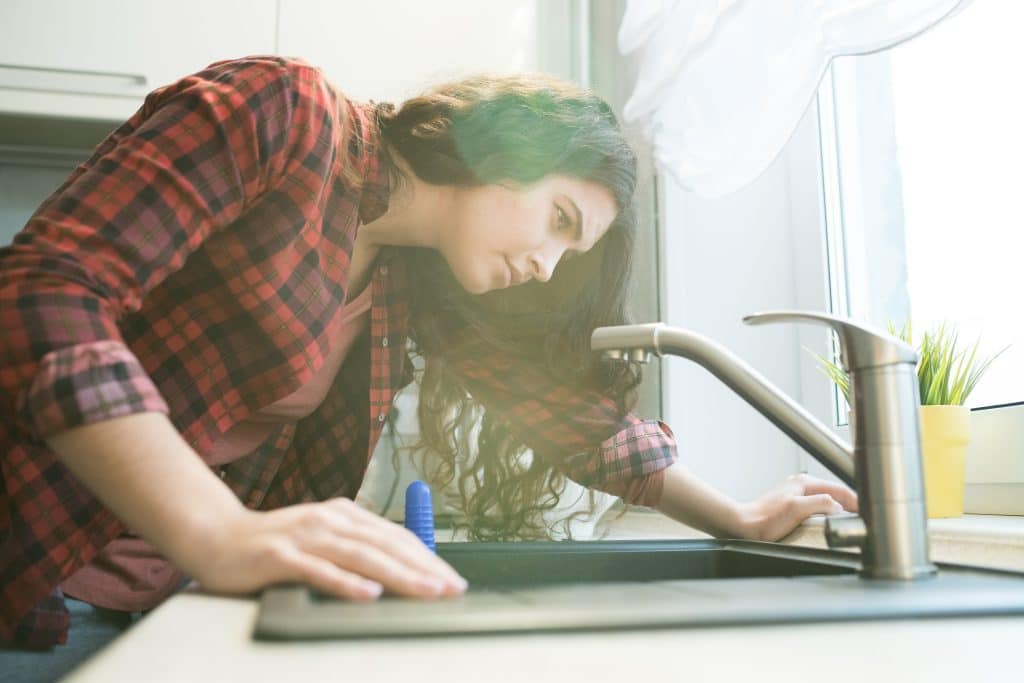
A frozen pipe can spell disaster for your home, potentially causing expensive water damage. But there’s good news: it’s a problem that’s largely preventable. Start by identifying the pipes that are most at risk—typically those in unheated spaces like garages and basements. Insulating these pipes can be done with materials such as foam rubber or fiberglass sleeves, which help to maintain warmer temperatures within the pipes.
Besides insulating your pipes, it’s also a good practice to let faucets drip during extreme cold snaps. This keeps water moving, making it less likely for pipes to freeze. Setting your thermostat to a constant temperature, even when you’re not home, can further minimize the risk of frozen pipes. Now that your plumbing is well-prepared for the cold, you can focus on optimizing your heating system, a pivotal part of any winterization plan.
Upgrade Your Heating System
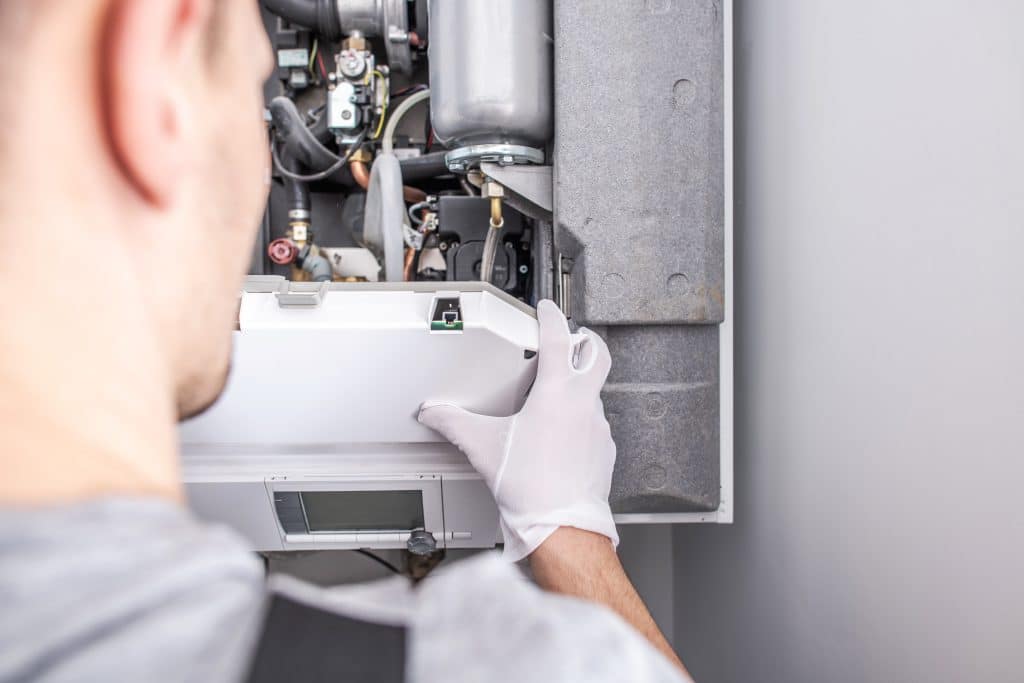
An efficient heating system is your frontline defense against winter’s biting cold. Conduct a thorough check-up of your furnace to ensure it’s operating at its optimal capacity. If your heating system is outdated, it may be time to invest in a more energy-efficient model. Furthermore, consider a programmable thermostat that adjusts the temperature according to your daily routine, maximizing efficiency and comfort.
Regular maintenance, such as cleaning or replacing air filters, will also contribute to the efficiency of your heating system. Skipping this step might lead to higher energy consumption and, consequently, larger bills. The cleaner and more efficient your heating system, the more effective it will be in maintaining a comfortable indoor climate, allowing you to proceed to the next step—ensuring your roof is winter-ready.
Inspect The Roof Over Your Head
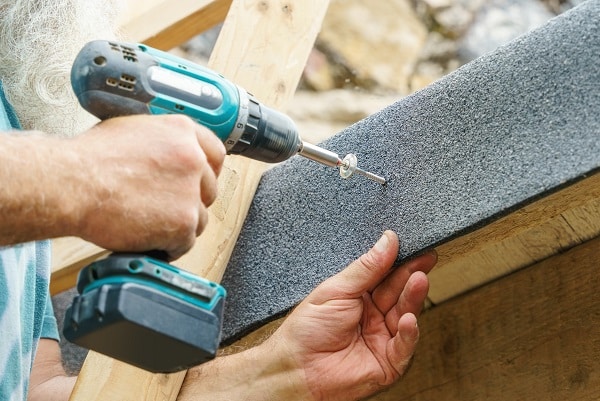
The roof is one of the most critical parts of your home when it comes to weather resistance. An overlooked leak or a cluster of fallen leaves can quickly escalate into a significant issue. So, take the time to inspect your roof for any signs of damage, like missing shingles or visible wear. Remove any debris and ensure the gutters are clean to allow for proper drainage.
Consider hiring a professional for a comprehensive roof inspection if you’re unsure about your ability to identify issues. The focus should be on prevention rather than dealing with the aftermath of winter storms. Ensuring your roof is in excellent condition will give you peace of mind throughout the cold months as you hunker down with the last essential step of winterization—stocking up on winter essentials.
Stock Up On Winter Essentials

Sometimes, despite all precautions, winter can still throw a curveball. Whether it’s a snowstorm or a power outage, being prepared can make all the difference. Stock up on essentials like road salt, snow shovels, and even a battery-powered radio. Don’t forget to prepare an emergency kit that includes food, water, and first-aid supplies.
Having these supplies on hand not only prepares you for winter’s unpredictability but also adds a layer of security and peace of mind. Each item serves a purpose, from clearing driveways to providing essential information during power outages. Ensuring you have these essentials in place sets you on the path for a safer, more comfortable winter season.
Winter’s Around the Corner: Act Now!
The approach of winter need not be a daunting event. A well-prepared home is a fortress against the cold, ensuring that you stay warm, safe, and economically efficient throughout the season. Taking these seven steps towards winterization today saves time, effort, and money in the long run, setting the stage for a winter that’s more enjoyable and far less stressful. Start your winterizing journey now and give yourself the cozy winter haven you deserve!