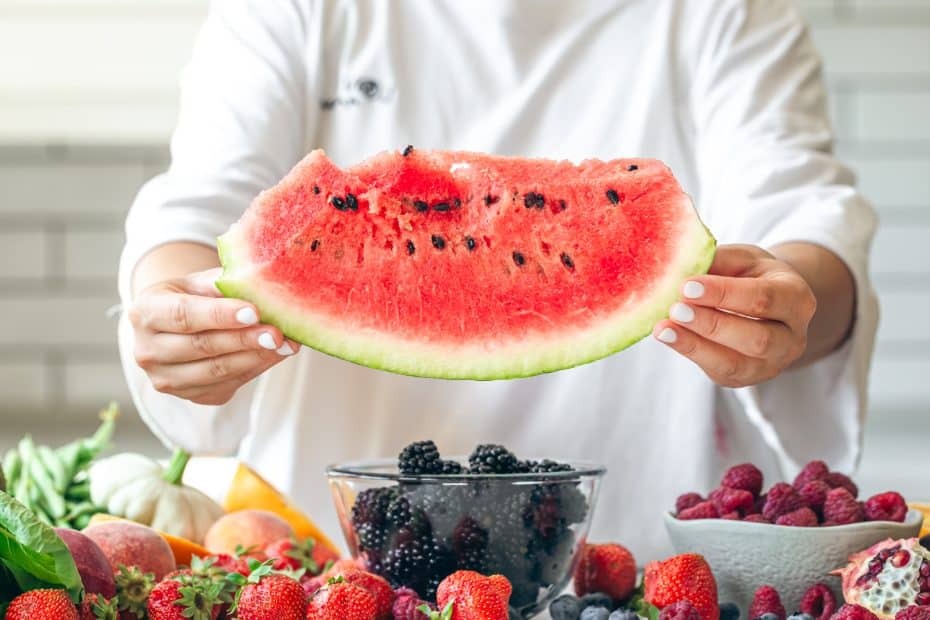
Choosing the perfect watermelon can elevate your summer picnics, family gatherings, or even a simple afternoon snack to a whole new level. Yet, many people find themselves puzzled when faced with a pile of watermelons at the store. Questions like, “Is this one ripe enough?” or “Will it be sweet?” often cloud their minds. The stakes are high; a poor choice can lead to a bland, unenjoyable experience. The goal of today’s article is to demystify the art and science of selecting the ideal watermelon. This post will walk you through various types of watermelons, where to buy them, the importance of seasonality, and much more!
The Different Types Of Watermelons
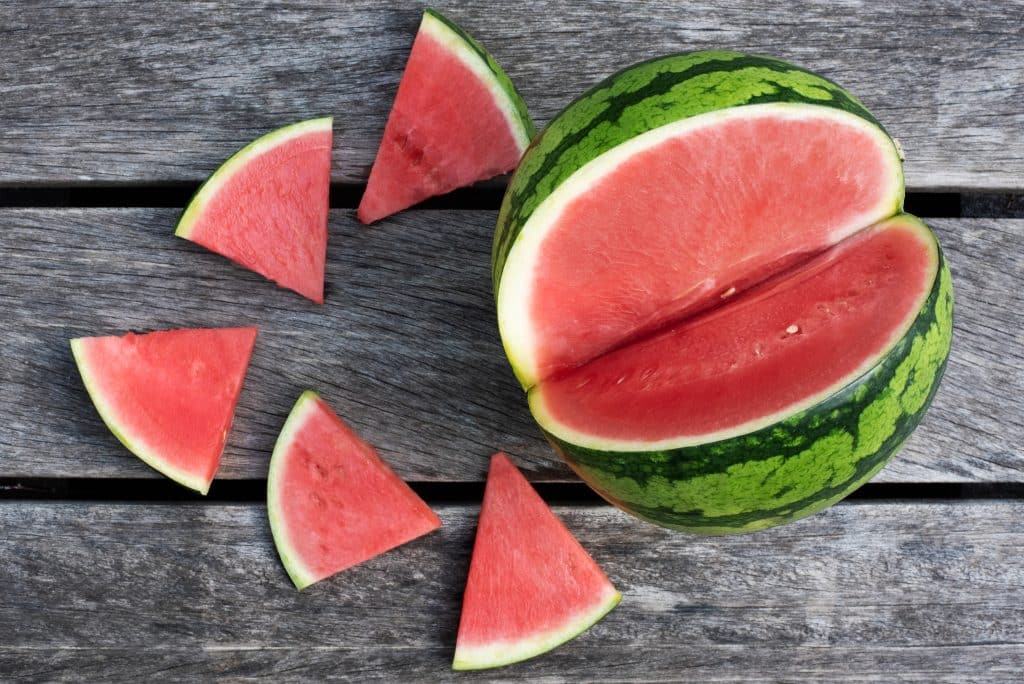
When it comes to watermelons, one size doesn’t fit all. There are several types of watermelons, each with its own set of characteristics and flavors. Seedless watermelons, for instance, are bred for convenience and are generally sweeter than their seeded counterparts. They are perfect for those who prefer not to deal with the hassle of seeds. On the other hand, seeded watermelons offer a more traditional experience. They are often larger and can be slightly less sweet, but many people believe they offer a richer, more authentic watermelon flavor.
Mini watermelons are another option that has gained popularity in recent years. These are ideal for small families or individuals, as they offer the same juicy experience but in a more manageable size. Then there are the yellow and orange watermelons, which are visually striking and offer a unique, often sweeter, and more honeyed taste. Knowing the differences between these types can help you make an informed decision based on your specific needs and preferences.
Where To Buy Your Watermelon
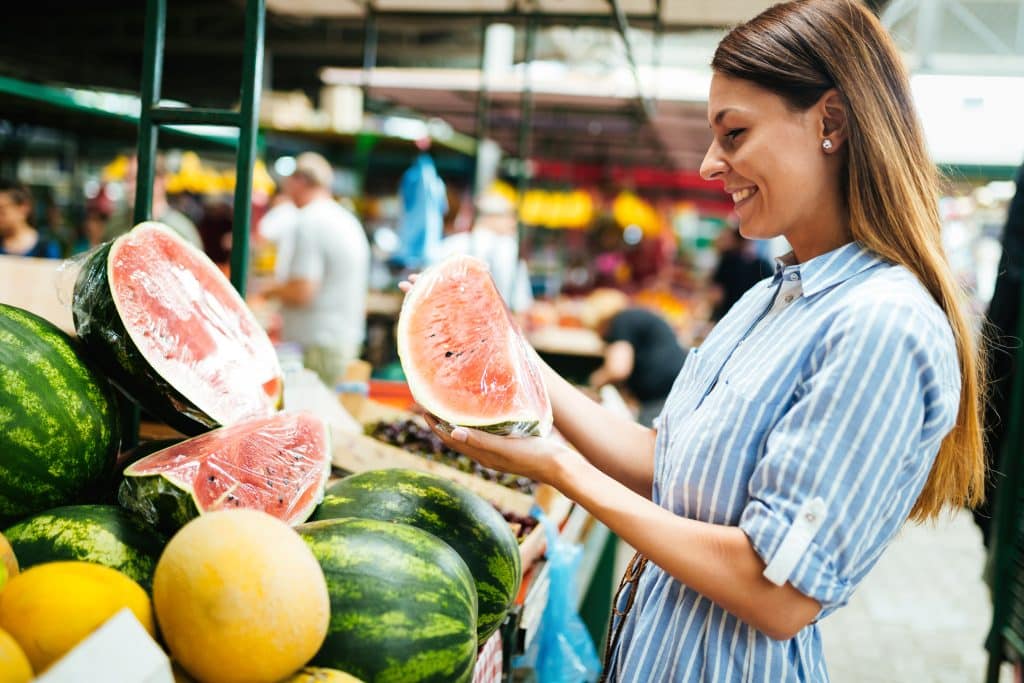
The place where you buy your watermelon can significantly impact its quality. Supermarkets are the most convenient option for many people. They offer a wide variety of choices, and the watermelons are often pre-sorted by quality. However, the downside is that these watermelons may have been stored for an extended period, which could affect their freshness. Farmers’ markets, on the other hand, offer locally sourced options that are usually fresher and may be grown with fewer pesticides. The trade-off is that the selection may be limited, and you might have to visit multiple vendors to find the perfect one.
Online stores are another avenue to explore, especially if you’re looking for a specific type of watermelon that’s not readily available in your local stores. The advantage here is the convenience of home delivery and the ability to read customer reviews before making a purchase. However, buying a watermelon online means you give up the opportunity to use tactile and sensory cues, like touch and smell, to judge its quality. Therefore, it’s crucial to buy from reputable online stores that offer quality guarantees.
The Importance Of Seasonality
When it comes to fruits, timing is everything. Watermelons are no exception. They are best enjoyed during their peak season, which typically runs from late spring to early fall. During this time, watermelons are at their juiciest, sweetest, and most flavorful. Buying in-season produce not only ensures better taste but also supports local farmers who harvest the fruit at its peak. Off-season watermelons are usually imported and may have been harvested before they are fully ripe, affecting their taste and texture.
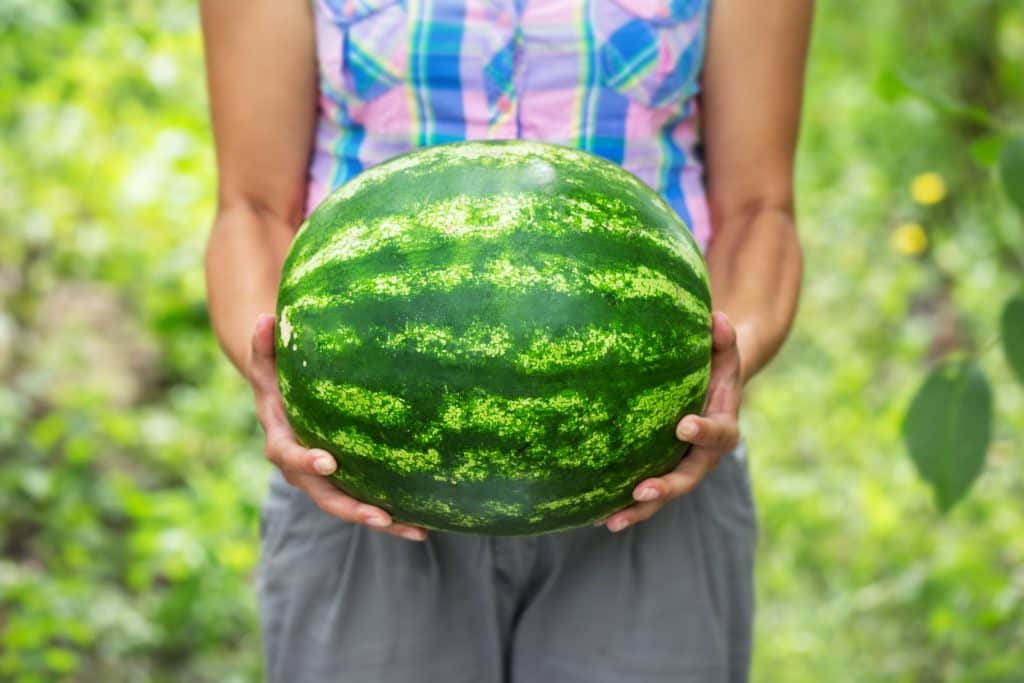
If you find yourself craving watermelon outside of its peak season, don’t despair. Many supermarkets offer imported options year-round. While these may not match the taste of a peak-season, locally-grown watermelon, they can still be quite enjoyable. Look for watermelons that are heavy for their size and have a uniform color, as these are usually good indicators of quality, regardless of the season.