

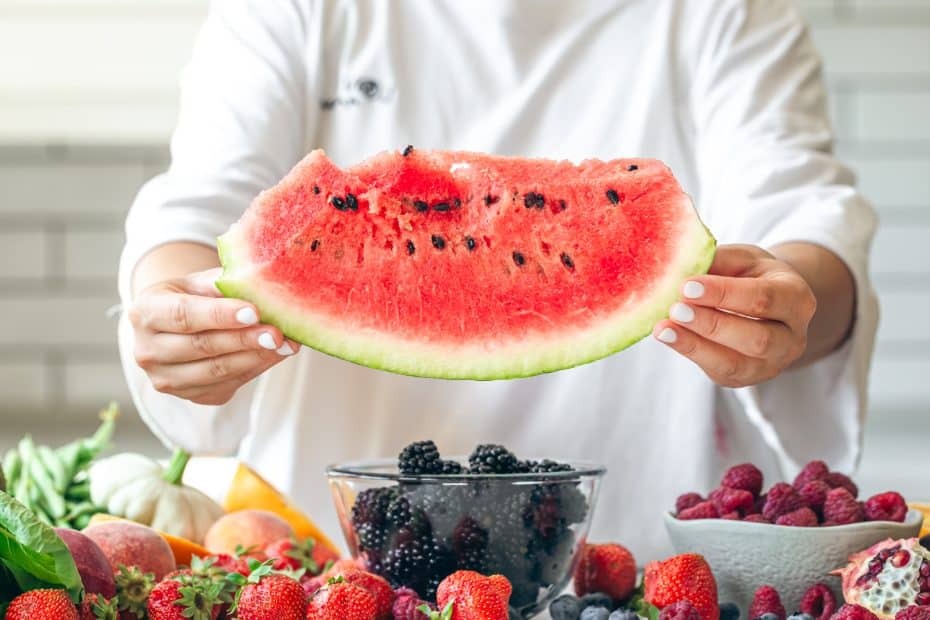
Visual Inspection

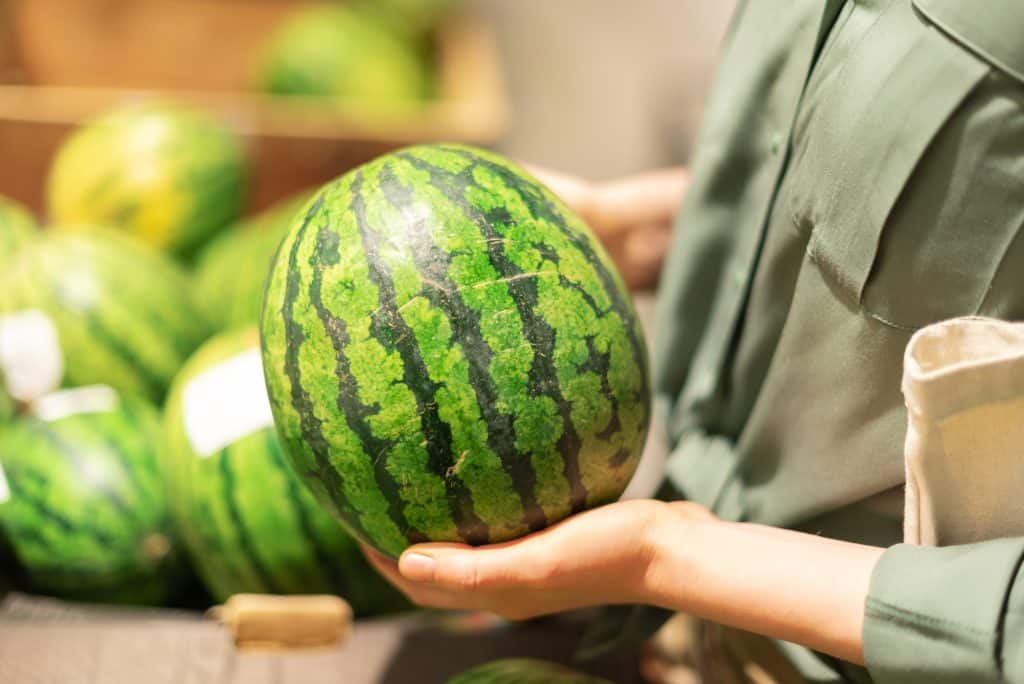
The first thing most people do when choosing a watermelon is to look at it. Visual cues can tell you a lot about the fruit’s internal quality. A watermelon should be symmetrical and free from irregular bumps or flat sides, as these can indicate that it grew unevenly, possibly due to inconsistent watering or sunlight. The color should be uniform, with a healthy green hue, as color variations can indicate ripeness issues or even disease.
Another crucial visual indicator is the sugar spot, the area where the watermelon rested on the ground. This spot should be creamy yellow, indicating that the watermelon is ripe and has sufficient time to sweeten on the vine. A white or greenish sugar spot often means the watermelon was harvested too early and may not be as sweet or flavorful as it should be.
The Art Of The Tap
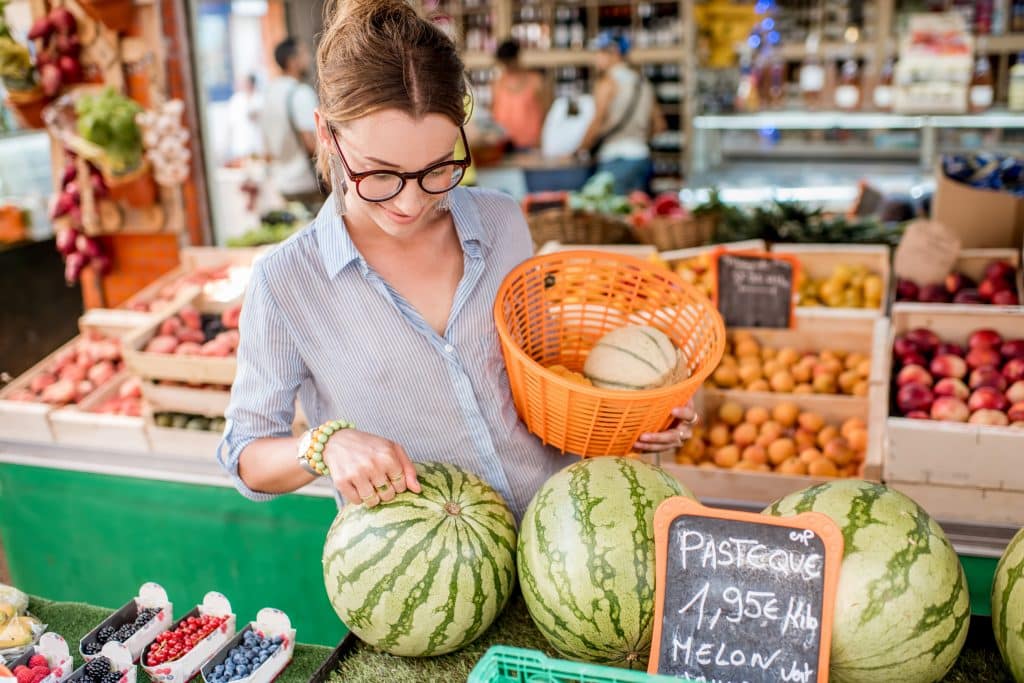
Tapping a watermelon can provide valuable insights into its internal quality. A ripe watermelon will produce a deep, hollow sound when tapped. This sound indicates that the watermelon is full of water and likely to be juicy and sweet. On the other hand, a flat or dull sound can be a sign that the watermelon is underripe or overripe, leading to a less enjoyable eating experience.
Mastering the art of the tap may take some practice, but it’s well worth the effort. The next time you’re at the store, don’t hesitate to tap a few watermelons and listen carefully. With time, you’ll become more adept at distinguishing the sounds that signify a ripe, juicy watermelon from those that don’t.
Weight And Density
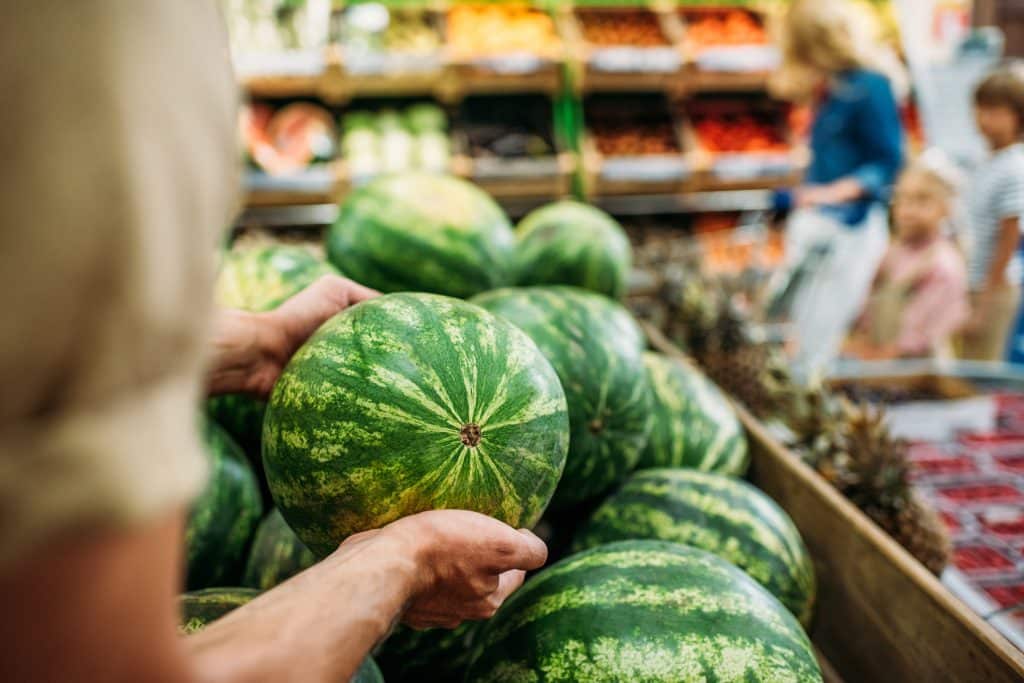
When you pick up a watermelon, it should feel heavy for its size. A heavy watermelon is usually a good indicator that it’s full of water, which means it’s likely to be juicy and sweet. The density of the watermelon can also provide clues about its quality. A dense watermelon will feel solid and heavy, indicating that it’s packed with water and natural sugars.
Don’t be shy about comparing different watermelons by lifting them. Even if two watermelons are the same size, the heavier one is generally the better choice. Weight and density are reliable indicators that can help you avoid the disappointment of cutting open a dry, tasteless watermelon.
The Sniff Test
Smell is another powerful tool in your watermelon-choosing arsenal. A ripe watermelon will emit a sweet, slightly earthy aroma. This smell indicates that the sugars inside the watermelon have developed, promising a sweet and flavorful experience. If the watermelon has no smell or an off-putting odor, it’s best to pass it by.
The sniff test is especially useful when combined with other methods like tapping and visual inspection. If a watermelon passes all these tests, you can be fairly confident that you’re making a good choice. On the other hand, if the smell is off, even if the watermelon looks good and sounds right when tapped, it’s better to err on the side of caution and choose another one.
The Final Checklist

By now, you should have a comprehensive understanding of how to choose the perfect watermelon. To make your future watermelon-shopping trips even easier, consider creating a checklist that includes all the points discussed: type, source, seasonality, visual cues, tapping sound, weight, and smell. Having a checklist on hand can streamline the selection process and increase your chances of bringing home a winner.
In addition to the checklist, there are a few more tips that can enhance your watermelon experience. For instance, once you’ve made your selection, store the watermelon in a cool, dry place. If you’ve cut the watermelon but can’t finish it in one go, store the remaining pieces in an airtight container in the fridge to maintain its freshness and flavor.
Follow This Roadmap To Watermelon Bliss!
You’re now equipped with a wealth of knowledge to make your next watermelon purchase a smashing success. From understanding the different types and where to buy them to mastering the art of visual inspection, tapping, and sniff tests, you’re well on your way to becoming a watermelon connoisseur. So, the next time you find yourself in front of a pile of watermelons, you’ll know exactly what to do. Happy watermelon hunting, and may your summer be filled with the juiciest, sweetest watermelons ever!