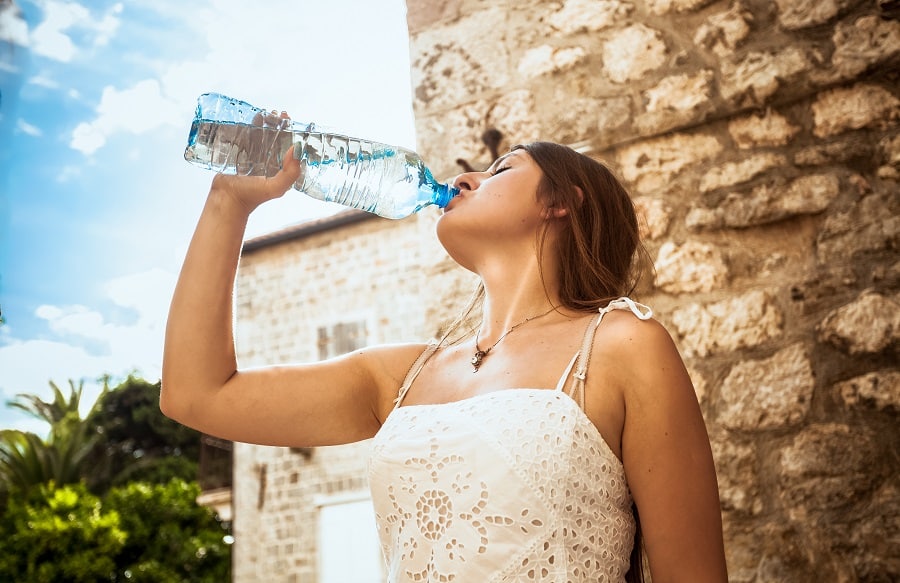
The ubiquity of plastic in your everyday life is impossible to ignore, with the beverage industry being a notable contributor. From water to soda to juice and alcoholic beverages, the likelihood of consuming a drink from a plastic container is high. But while plastic’s convenience and cost-effectiveness seem appealing, its dangers to your health, beverage quality, and the environment warrant a critical evaluation. This post dives into these issues, unravels the complexities of plastic used in the beverage industry, and posits potential alternatives for a healthier, more sustainable future.
The Prevalence Of Plastic In The Beverage Industry

Plastic is omnipresent in the beverage industry. Its cost-effectiveness, lightness, and durability make it an attractive packaging option for manufacturers. Water, soda, juice, milk, and alcoholic drinks are commonly packaged in plastic. The type of plastic varies, with polyethylene terephthalate (PET) being the most commonly used due to its strength and flexibility.
However, the widespread use of plastic in the beverage industry is not without repercussions. The sheer volume of plastic beverage containers produced each year is staggering. In 2019 alone, over 486 billion plastic water bottles were sold globally, a figure projected to rise. This pervasive use of plastic contributes to a global issue with significant ramifications for your health and the environment.
Understanding The Composition Of Plastic

To comprehend the risks associated with plastic in the beverage industry, it’s crucial to understand what plastic is. Plastic is a synthetic material made from various organic polymers such as polyethylene, PVC, nylon, etc. Most plastics, like PET, used in beverage packaging, are petroleum-based and require significant energy and resources to produce.
Furthermore, the durability of plastic, initially considered a boon, is a double-edged sword. Plastic takes hundreds to thousands of years to decompose. This characteristic and your throwaway culture have led to a severe environmental crisis. Discarded beverage containers make up significant plastic waste, contributing to the global plastic pollution problem.
Plastic’s Impact On Beverage Quality
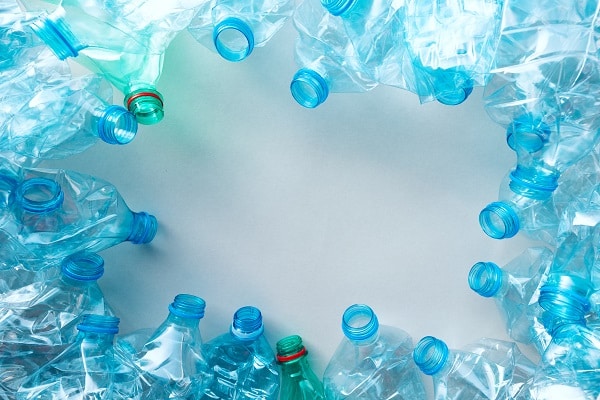
The impact of plastic on beverage quality is multifaceted. Plastic containers can leach chemicals into their beverage, particularly when exposed to heat or sunlight. One of these chemicals, Bisphenol A (BPA), has been linked to numerous health issues, including hormonal disruption and heart disease. As such, beverages stored in plastic containers may not be as safe as we presume.
The influence of plastic packaging extends beyond potential chemical contamination. Many consumers argue that drinks, particularly water, taste differently when consumed from plastic containers than glass or metal. This perceived taste change can be attributed to the plastic or the interaction between the beverage and the plastic under certain conditions. Either way, the drink’s overall quality and sensory experience can be compromised.
The Health Implications

Growing evidence shows that consuming beverages from plastic containers may pose health risks. The primary concern is potentially leaching harmful chemicals from the plastic into the beverage, particularly when the plastic is heated. BPA is one such chemical that has been heavily scrutinized, linked to many health problems ranging from hormonal disruptions to cardiovascular disease.
Beyond BPA, other chemicals in plastic containers, like phthalates, pose potential health risks. Phthalates, used to make plastic flexible, can seep into the beverage and have been linked to various health issues, including endocrine disruption and developmental problems in children. This potential exposure to harmful chemicals underscores the need for the beverage industry to reassess the widespread use of plastic packaging.