
Caring for plants has always been a rewarding activity, but the methods and best practices are continually evolving. In 2024, plant enthusiasts are seeing new trends and techniques that promise healthier, more vibrant plants. This guide aims to provide essential tips for plant care, addressing the needs of both novice gardeners and experienced green thumbs. From understanding specific plant requirements to mastering soil health and watering techniques, this comprehensive guide will help you keep your plants thriving throughout the year. Let’s dive into the top plant care tips for 2024 to ensure your garden flourishes.
Understanding Your Plant’s Needs

Every plant has unique requirements, making it crucial to understand what each type needs to thrive. Identifying these needs involves recognizing the specific light, water, and soil preferences of your plants. For instance, succulents and cacti prefer full sunlight and well-draining soil, while ferns thrive in shaded, moist environments. By researching and observing your plants, you can create an optimal care plan tailored to their individual needs.
In addition to light and soil, watering needs vary significantly among different plants. Some plants, like tropical varieties, require consistent moisture, while others, such as drought-tolerant species, need less frequent watering. Understanding the specific needs of your plants will help prevent common issues like overwatering or underwatering, ensuring they remain healthy and vibrant. Paying attention to these details can make all the difference in your plant’s overall well-being.
Soil Health and Composition

Soil is the foundation of plant health, and understanding its composition is key to successful gardening. Different soil types, such as sandy, clay, and loam, each have unique properties that affect plant growth. Sandy soil drains quickly but may lack nutrients, while clay soil retains water but can become compacted. Loam, a balanced mixture of sand, silt, and clay, is often considered ideal for most plants due to its well-draining yet nutrient-rich characteristics.
Improving soil quality is essential for optimal plant health. Incorporating organic matter, such as compost, can enhance soil structure and provide essential nutrients. Composting not only enriches the soil but also promotes beneficial microbial activity, helping plants absorb nutrients more efficiently. Regularly amending your soil with organic materials will maintain its health and support robust plant growth throughout the year.
Proper Watering Techniques
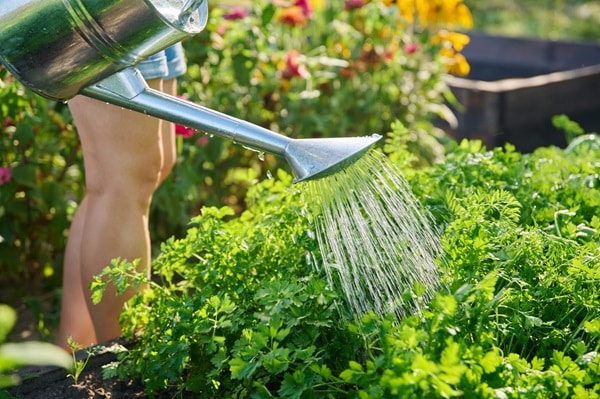
Watering is a fundamental aspect of plant care, yet it is often misunderstood. Many gardeners make the mistake of overwatering or underwatering their plants, leading to a range of health issues. To avoid these common mistakes, it’s important to tailor your watering practices to the specific needs of your plants. For example, succulents and cacti need less frequent watering, while moisture-loving plants like ferns require regular hydration.
Employing the right watering techniques can make a significant difference in plant health. Overhead watering can lead to disease and mold, especially in humid environments. Instead, consider using ground-level watering methods, such as drip irrigation, which deliver water directly to the roots where it is needed most. Observing your plants for signs of water stress, such as wilting or yellowing leaves, will help you adjust your watering practices to keep them healthy and thriving.