Skip to content

Invisible Dangers in Your Child’s Playroom

    A child’s playroom is often seen as a place of joy, creativity, and exploration, but what many parents may not realize is that it can also harbor invisible dangers. From toxic chemicals in everyday items to hidden hazards that go unnoticed, the playroom may pose risks to a child’s health and safety. These hazards, though not always visible, can have long-term impacts on a child’s well-being. Understanding and addressing these dangers is crucial to creating a safer play environment. This article will explore some of the most common invisible risks in playrooms and provide practical solutions for concerned parents.

    Toxic Chemicals in Toys and Furniture
    Dangers in Your Child’s Playroom

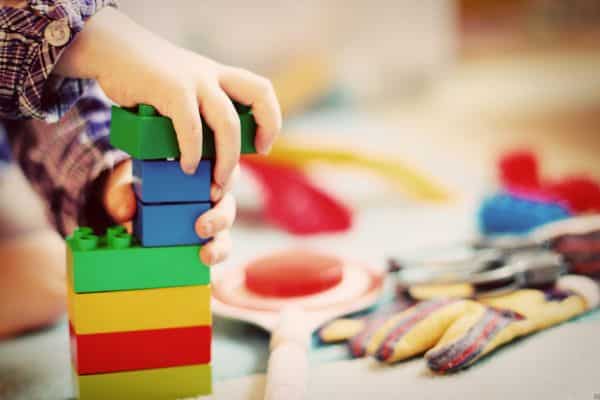
    Many toys and pieces of furniture in playrooms contain harmful chemicals that can have serious health implications for children. Phthalates and BPA, commonly found in plastic toys, are known to disrupt hormones and have been linked to developmental issues. Additionally, flame retardants used in foam furniture or cushions can release toxins over time, posing further risks. These chemicals often go unnoticed, yet they may significantly affect a child’s growth and health when exposed over long periods.

    To minimize exposure to these toxic substances, parents can opt for safer, non-toxic alternatives when purchasing toys and furniture. Wooden toys, for example, offer a natural and safer option compared to plastics. Parents should also look for labels such as “BPA-free” or “phthalate-free” and choose products made from organic cotton or other eco-friendly materials. Taking small steps to reduce chemical exposure can make a significant difference in the overall safety of a child’s play environment.

    Hidden Choking Hazards
    Dangers in Your Child’s Playroom

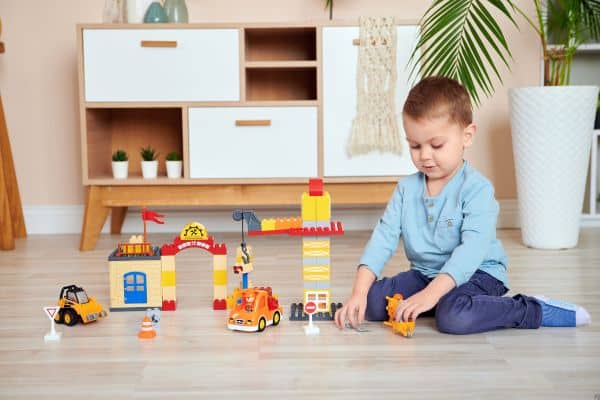
    Choking hazards are one of the most dangerous but commonly overlooked risks in a child’s playroom. Even toys that are designed for young children can contain small parts that may detach, creating a serious choking risk. Items such as loose buttons on stuffed animals, small puzzle pieces, or broken toy components can quickly turn into dangerous objects. Despite the best intentions of toy manufacturers, these hazards often escape the attention of parents until it’s too late.

    Ensuring the safety of toys for children under the age of 3 involves constant vigilance and regular inspection. Parents should routinely check toys for any loose or broken parts and follow the recommended age guidelines. Additionally, toys should be stored properly to avoid mix-ups with older children’s items that may contain smaller pieces. By taking these precautions, parents can reduce the likelihood of choking incidents and provide a safer play space for their children.

    Poor Air Quality from Dust and Mold

    Dangers in Your Child’s Playroom

    Poor air quality is another invisible danger that can compromise a child’s health, especially in poorly ventilated playrooms. Dust can accumulate on surfaces, toys, and carpets, contributing to respiratory problems and allergies in young children. Additionally, dampness or improper ventilation can lead to mold growth, which poses even more severe health risks, such as asthma or respiratory infections. Although these dangers are not immediately visible, they can have lasting effects on a child’s well-being.

    To combat poor air quality, parents should prioritize regular cleaning routines, including vacuuming with HEPA filters to reduce dust and allergens. Non-toxic cleaning products are also recommended to avoid introducing more harmful chemicals into the environment. Ensuring proper ventilation in the room, using dehumidifiers, and checking for signs of mold can help create a healthier space. By maintaining a clean and well-ventilated playroom, parents can significantly improve the air quality and protect their children from hidden respiratory threats.

    Electrical Hazards

    Dangers in Your Child’s Playroom

    Electrical hazards in playrooms can pose serious risks, especially for curious children who may not recognize the dangers of exposed wires and power sources. Loose cords, uncovered outlets, and power strips within reach can all present significant risks, including electric shocks or even fires. Children often explore their surroundings by touching and manipulating objects, making exposed electrical elements particularly dangerous. Even toys that require batteries can pose risks if they have faulty wiring or if the batteries are easily accessible to small hands.

    To mitigate these risks, parents should ensure that all electrical outlets in the playroom are covered with protective outlet covers, especially those at a child’s eye level. Power cords should be organized and tucked away out of reach, and parents should frequently inspect electronic toys to ensure they are functioning properly and safely. Additionally, teaching children the dangers of electricity and setting up “off-limits” areas in the room where electronic devices are used can help reduce the chances of accidents.

    Unstable Furniture

    Dangers in Your Child’s Playroom

    Unsecured furniture is another hidden threat in a child’s playroom that can lead to severe accidents, such as tip-overs. Shelves, dressers, and even toy boxes can easily topple if a child tries to climb on them or pulls on heavy objects. According to safety statistics, furniture tip-overs are a leading cause of injuries in young children, making it critical for parents to address this often overlooked hazard. Even small furniture pieces that seem harmless can cause serious injury if not properly stabilized.

    To prevent these accidents, all furniture in the playroom should be anchored to the walls using anti-tip straps or brackets. This includes not only large items like bookshelves but also smaller pieces that children might use for climbing. Parents should also avoid placing heavy objects on top of shelves or dressers, as these can fall and injure a child if they attempt to reach for them. Choosing stable, child-friendly furniture designs can help create a safer environment where children can play without the risk of serious injury.

    Invisible Dangers from Electronic Devices

    Dangers in Your Child’s Playroom

    While electronic devices such as tablets, gaming consoles, or smart toys offer entertainment and educational value, they also come with hidden risks that many parents may not immediately consider. Excessive screen time can contribute to issues like poor vision, disrupted sleep patterns, and negative effects on brain development in young children. Additionally, many modern electronic toys are connected to the internet, which brings up concerns about data privacy and potential breaches of sensitive information.

    To manage these risks, parents should limit their children’s screen time and encourage more tech-free play. Establishing screen time guidelines, offering a variety of hands-on activities, and monitoring how and when electronic devices are used can help create a balanced environment. For internet-connected toys, parents should set up strong privacy controls and be vigilant about the security settings to ensure that their children’s data is protected. By taking these steps, parents can reduce the potential risks of electronic devices while still allowing their children to enjoy their benefits safely.

    Creating a Safe Playroom for Your Child

    The invisible dangers lurking in your child’s playroom can pose serious risks, but with proactive steps, they can be addressed effectively. From toxic chemicals in toys to electrical hazards and poor air quality, awareness is the first step toward prevention. By choosing safer products, ensuring regular maintenance, and securing furniture, parents can create a healthier environment for their children. Additionally, managing screen time and electronic devices responsibly can further reduce potential threats. Ensuring the playroom is both fun and safe will give parents peace of mind and protect their children from harm.