
Tending to gardens and outdoor spaces often brings the challenge of managing unruly weeds. While chemical solutions are readily available, their environmental footprint and potential health implications have driven a shift towards natural alternatives. As eco-consciousness gains momentum, many are discovering the potency and benefits of organic weed control. This article dives into some of nature’s best answers to those persistent garden invaders, presenting both their efficacy and their alignment with sustainable gardening practices.
Boiling Water

Poured directly onto weeds, boiling water serves as an instantaneous and efficient weed killer. This method works by breaking down the cell structure of the plant, causing it to wilt and eventually die. Garden pathways, driveways, and sidewalks are the best places to use this technique, ensuring that desired plants aren’t accidentally harmed. However, caution is crucial. It’s essential to remember that boiling water won’t discriminate between weeds and beneficial plants, so careful application is necessary.
Historically, boiling water was a widely acknowledged method to manage unwanted plants. It’s simple, readily available, and requires no special equipment except for a kettle or a pot. This makes it an appealing option for those who prefer an immediate, eco-friendly solution. Yet, while it’s effective for isolated patches or individual weeds, it might not be the best option for larger infestations or areas close to favored plants.
Vinegar Solution
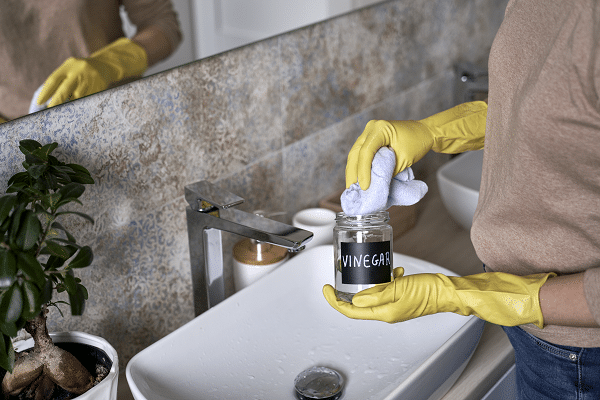
Vinegar, particularly when it’s undiluted, possesses a high acetic acid content that dries out and destroys weed plant life. When sprayed onto the leaves, the vinegar rapidly draws out moisture, leading to a swift demise of the weed. However, gardeners should be aware that not all types of vinegar are equally effective. For instance, household vinegar might not always do the trick, but horticultural vinegar, which has a higher concentration of acetic acid, is usually more potent.
Another advantage of using vinegar is its accessibility. It’s a common household item, making it a handy choice for spontaneous weeding sessions. While vinegar’s action is swift, certain hardy weeds might need a couple of applications before they’re completely eradicated. Also, similar to boiling water, vinegar is non-selective. This means that while it can effortlessly take out weeds, it can equally harm other plants. Hence, precision during application is paramount.
Lemon Juice

Harnessing the power of citric acid, lemon juice is another natural agent that can be used against pesky weeds. When applied, its high acidity works to rapidly break down the cell walls of the weed, causing it to wither and die. Lemon juice is especially effective on young weeds or those that have just sprouted, making it a timely tool for early intervention.
An advantage of using lemon juice is that it’s biodegradable and poses no threat to the environment. For an even more potent solution, some gardeners mix lemon juice with vinegar, enhancing the weed-killing properties of both agents. However, as with other natural weed killers, it’s essential to apply lemon juice carefully. Its acidic nature means it can potentially harm other plants, so precision is paramount.