
Home designs are more than just arranging furniture and choosing paint colors; they’re about creating a space that resonates with the inhabitants’ personalities while also being functional and aesthetically pleasing. However, with the myriad of design trends and ideas available, homeowners often fall prey to common design pitfalls. While seemingly innocuous, these mistakes can significantly impact the comfort, functionality, and overall appeal of a home.
Contents
Overuse Of Open Floor Plans
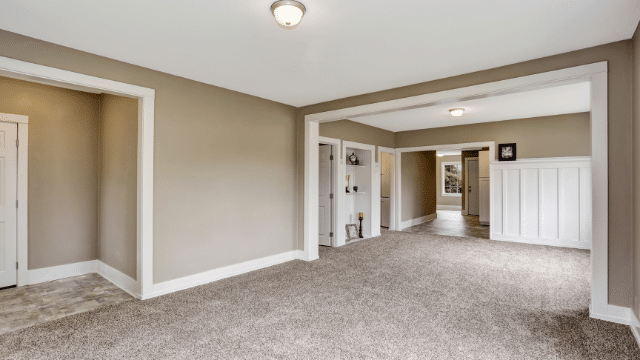
Open floor plans have gained immense popularity in recent years, primarily because of the illusion of space they offer. Homeowners are drawn to the idea of vast, uninterrupted spaces that promise better social interaction and a modern feel. However, these designs come with their own set of challenges. The lack of walls means reduced privacy, making it difficult for family members to find quiet corners for personal activities or work.
Moreover, open spaces can amplify noise, turning what was meant to be a cohesive living area into a cacophony of sounds from the TV, kitchen, and conversations. This noise pollution can make the environment less peaceful, especially in homes with children or multiple occupants. While the idea of an open space is enticing, it’s essential to strike a balance and ensure that the design caters to the specific needs of the inhabitants.
Misguided Color Choices
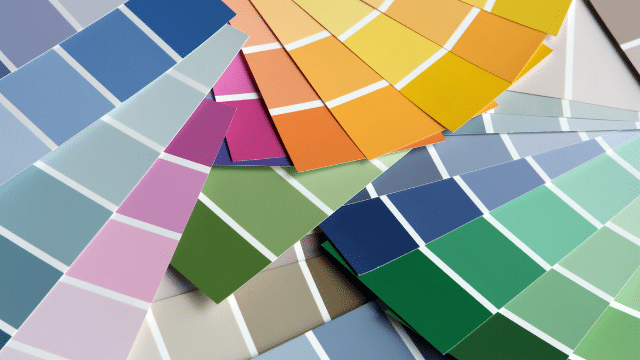
Colors play a pivotal role in setting the mood and tone of a room. They have the power to evoke emotions, influence energy levels, and even affect your sleep patterns. With such a significant impact, it’s surprising how often homeowners get color choices wrong. One common mistake is opting for overly bright rooms. While a splash of color can invigorate a space, an entire room painted in a loud shade can be overwhelming and induce feelings of restlessness.
Another frequent error is using mismatched color palettes. A room with clashing colors can feel chaotic and disjointed, detracting from the desired ambiance. It’s crucial to understand the psychology of colors and their interplay to create harmonious spaces that align with the intended mood and function of the room.
Clashing Design Themes
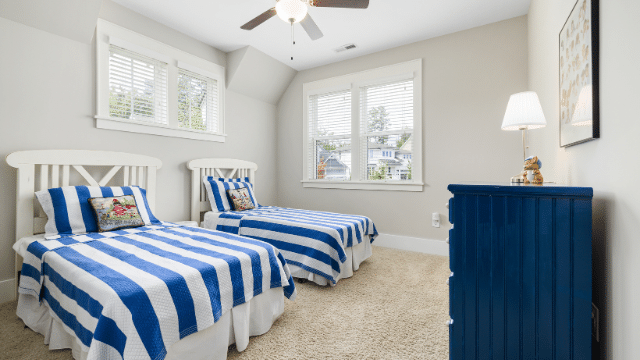
A home should tell a story, and that narrative is often woven through its design theme. Whether it’s vintage, modern, rustic, or any other style, consistency is key. However, many homeowners, in their enthusiasm to incorporate multiple design elements, end up with clashing themes. For instance, a room that tries to merge vintage charm with ultra-modern accessories can end up feeling confused and incoherent.
Over-themed rooms are another pitfall. While it’s great to have a theme, going overboard can make a space feel more like a movie set than a comfortable living area. It’s essential to strike a balance, ensuring that while the theme is evident, it doesn’t overpower the room or make it feel artificial.
Overcrowded Spaces
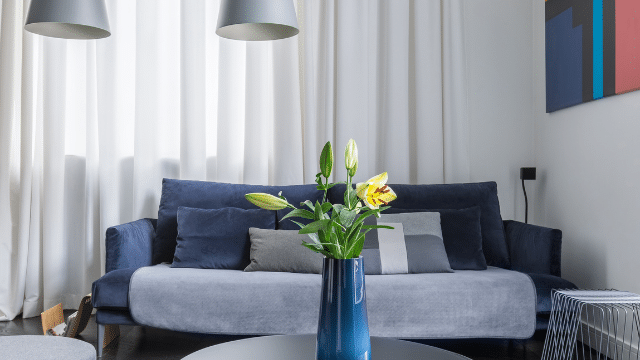
In an attempt to create cozy and well-decorated spaces, homeowners often end up overcrowding rooms with furniture and decor. An over-furnished room not only impedes movement but also creates a cluttered look, detracting from the room’s aesthetics. It’s essential to understand that sometimes, less is more. A room doesn’t need to be filled to the brim to be functional or beautiful.
To combat overcrowding, homeowners can invest in multi-functional furniture that serves multiple purposes, reducing the need for numerous pieces. Regular decluttering is also crucial. By periodically assessing and removing unnecessary items, homeowners can ensure that their spaces remain open, breathable, and inviting.
Neglecting Natural Light

Natural light is a boon to any living space. It not only illuminates but also brings warmth, creates an illusion of space, and offers numerous health benefits, including boosting mood and aiding in better sleep. Yet, many homeowners, either due to oversight or design constraints, end up neglecting this vital element. Small windows, or those placed without considering the sun’s trajectory, can lead to dim, gloomy interiors that rely heavily on artificial lighting.
Another common design flaw is placing large furniture or decor items in front of windows, obstructing the flow of light. This not only darkens the room but also deprives inhabitants of potential scenic views. It’s essential to prioritize natural light in home designs, ensuring that windows are of adequate size and positioned to maximize sunlight, thereby enhancing the overall ambiance and energy of the space.