
The agony of a door that won’t latch can disrupt daily life in many ways. From being a security risk to an annoying hassle, a malfunctioning door latch requires immediate attention. Not only does a faulty latch compromise your privacy, but it also exposes your home to potential intruders. However, diagnosing and repairing a door latch is often simpler than it may seem. This comprehensive guide aims to equip homeowners with the know-how to identify and fix latch issues efficiently. Various sections will explore identifying problems, the tools needed, and the step-by-step procedures to solve them.
Identifying The Issue
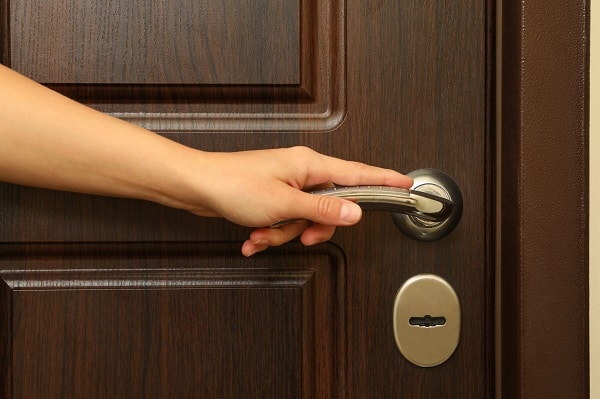
Physical inspection is often the starting point of any repair job. For a door that won’t latch, it’s important to scrutinize the latch assembly, strike plate, and door frame for any visible defects. Warping, bending, or wear and tear could be the underlying causes. Check the screws, hinge pins, and alignment to detect any abnormalities that could impede the door’s ability to latch properly.
Before jumping into extensive repair work, a few quick fixes are worth exploring. Sometimes, the issue may be as simple as a loose screw that needs tightening or a minor misalignment that can be set right with a hammer tap. Lubricating the latch assembly can also resolve sticking issues, saving one the trouble of more invasive procedures.
Gathering Your Tools
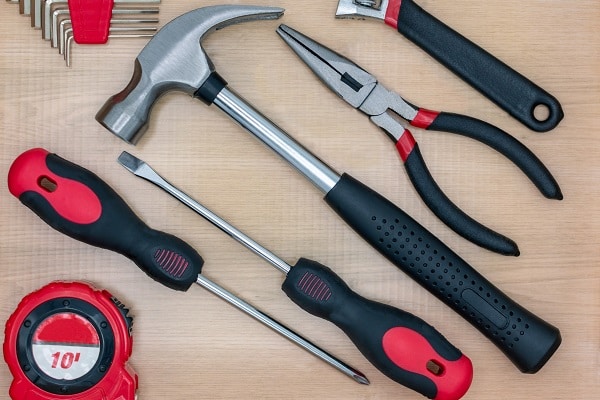
Gathering the necessary tools is imperative before proceeding with any repair or replacement. A flat-head and Phillips-head screwdriver, a hammer, and a chisel should suffice for most latch-related repairs. For those who like to be fully prepared, it’s advisable to have a tape measure, utility knife, and a set of pliers.
Additional supplies can include replacement screws, wooden shims, and wood filler. Having these readily available is always better to avoid repeated trips to the hardware store. Being prepared saves time and ensures that the repair process goes smoothly from start to finish.
How to Diagnose Latch Issues

Diagnosing the specific issue can save one from unnecessary efforts and expenditures. The “card method” involves sliding a plastic card between the door and the frame to observe the alignment. If the card moves too freely or faces resistance, alignment issues may be the culprit. Manual testing of the latch can also provide valuable insights. Engage and disengage the latch while observing its interaction with the strike plate.
The “Tap and Go” method is another diagnostic approach. Gently tap the latch with a hammer while trying to close the door. If the door latches post-tap, the problem likely resides in a misaligned latch or strike plate. This method acts as a preliminary test and often preempts the need for further, more invasive diagnostic steps.
Adjusting the Strike Plate
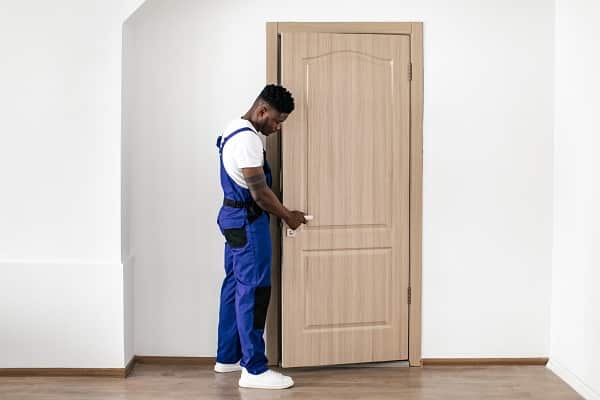
Often overlooked, the strike plate is a vital component of the door latch assembly. If the strike plate is misaligned or worn out, it can interfere with the latch’s ability to engage securely. It’s essential to closely examine the strike plate for wear, tear, or misalignment. In cases of minor misalignment, a few taps with a hammer can sometimes set it straight.
A more permanent solution might involve repositioning the strike plate. To do this, one must remove the screws securing it, adjust its position, and reattach it. When repositioning, ensuring the new location perfectly aligns with the latch is important. Additionally, it’s crucial to be cautious while drilling new holes or enlarging existing ones, as mistakes can worsen the situation.
